








The Princess in the Vanguard: How Sophia Duleep Singh Defied Empire for Women’s Rights
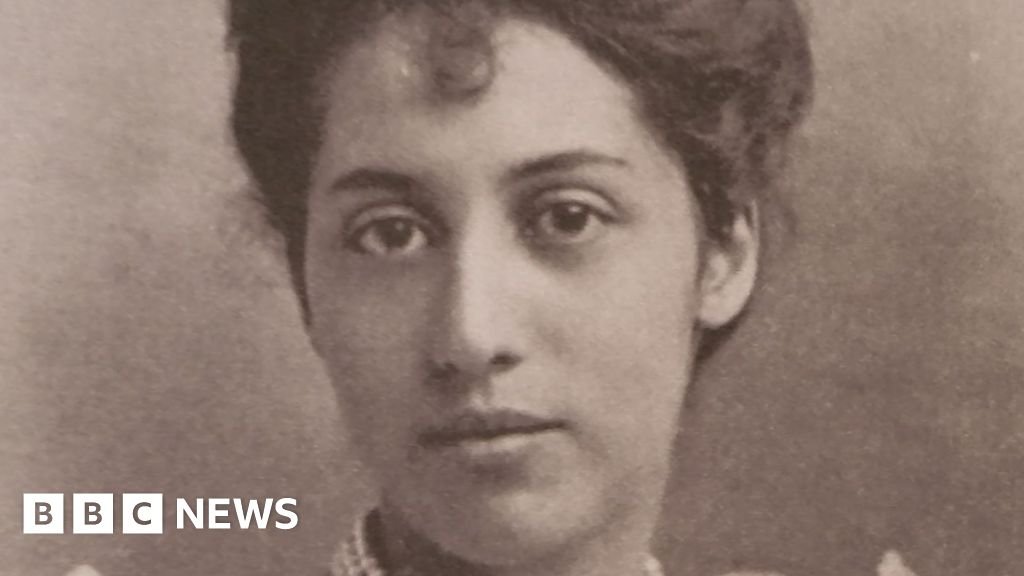
In the gilded halls of Victorian-era London, Princess Sophia Duleep Singh appeared to be the archetype of colonial assimilation. As the granddaughter of the legendary Maharaja Ranjit Singh and a goddaughter to Queen Victoria, she was a figurehead of royal privilege. Yet, behind the lace and the royal patronage lay a rebellious spirit that would eventually see her standing on the frontlines of the British suffragette movement, challenging the very establishment that had nurtured her.
A Royal Upbringing in the Shadow of Exile
Born in 1876, Sophia was the daughter of Duleep Singh, the last Maharaja of the Sikh Empire, who had been forced into exile in England after the British annexation of the Punjab. Growing up in Elveden Hall, Sophia lived a life of relative opulence, yet she was constantly aware of her family’s displaced status and the underlying friction between her royal heritage and her position as a subject of the British Crown.
By the early 20th century, the constraints placed upon her as a South Asian woman of royal blood—combined with a growing political consciousness—led her toward a radical path. She was not content to be merely a socialite in the court of Edward VII; she sought a cause that resonated with her desire for agency and justice.
Joining the Suffragette Frontline
Sophia’s transition into activism was solidified when she joined the Women’s Social and Political Union (WSPU), led by the formidable Emmeline Pankhurst. Unlike many of her aristocratic peers who limited their involvement to philanthropic gestures, Sophia dove into the trenches of direct action.
She became a familiar sight on the streets of London, selling copies of The Suffragette newspaper outside the gates of Hampton Court Palace—a residence the Queen had gifted her. Her defiance was both symbolic and dangerous. In one of the most famous incidents of the movement, known as “Black Friday,” Sophia participated in a violent protest outside Parliament in 1910. Her royal status initially made the police hesitant to arrest her, but she eventually courted confrontation, refusing to pay taxes as a protest against “taxation without representation.”
The Cost of Resistance
Her commitment to the movement often put her at odds with her family and the British establishment. When authorities attempted to seize her property to settle her unpaid taxes, the King reportedly remarked, “Have we no hold on her?”
Sophia’s activism, however, was not confined to her domestic battle against the British state. She also maintained a deep connection to her roots, supporting the Lascar sailors—Indian sailors stranded in London—and later advocating for Indian soldiers fighting in the trenches during World War I. This multifaceted activism marked her as a truly unique figure in British history: a princess who weaponized her status to dismantle the structural inequalities of the empire.
A Legacy of Unwavering Resolve
Sophia Duleep Singh died in 1948, the same year India achieved its independence. She lived long enough to see the fruition of the suffrage struggle—the Representation of the People Act 1928, which granted women the same voting rights as men.
Today, she is remembered not merely as a footnote in royal history, but as a fearless campaigner for human rights. Her life stands as a testament to the idea that privilege does not preclude the pursuit of justice. By bridging the gap between the anti-colonial struggle and the fight for gender equality, Princess Sophia Duleep Singh cemented her status as a vital, if long-overlooked, hero of modern democracy. Her legacy continues to inspire those who recognize that the quest for liberty is a borderless endeavor.
Disclaimer: This content is auto-generated for informational purposes only.
Source: Read Original News