









New Study Reveals Ethical Tug-of-War in Northern Ghana’s Palliative Care Units
TAMALE, GHANA — A pivotal new study published in BMC Palliative Care has shed light on the intense emotional and ethical complexities faced by medical teams when breaking life-altering news to patients. The research, which offers an in-depth look at palliative care in Northern Ghana, highlights a significant disconnect between what patients want to know and what their families hope to keep from them.
The study, titled “Breaking bad news in palliative care settings: a qualitative study from Northern Ghana,” employed an interpretive phenomenological design to capture the lived experiences of 17 participants, including patients, family members, and healthcare professionals at a major tertiary hospital. Through semi-structured interviews, the researchers sought to uncover how cultural values, personal preferences, and professional responsibilities intersect during some of medicine’s most difficult conversations.
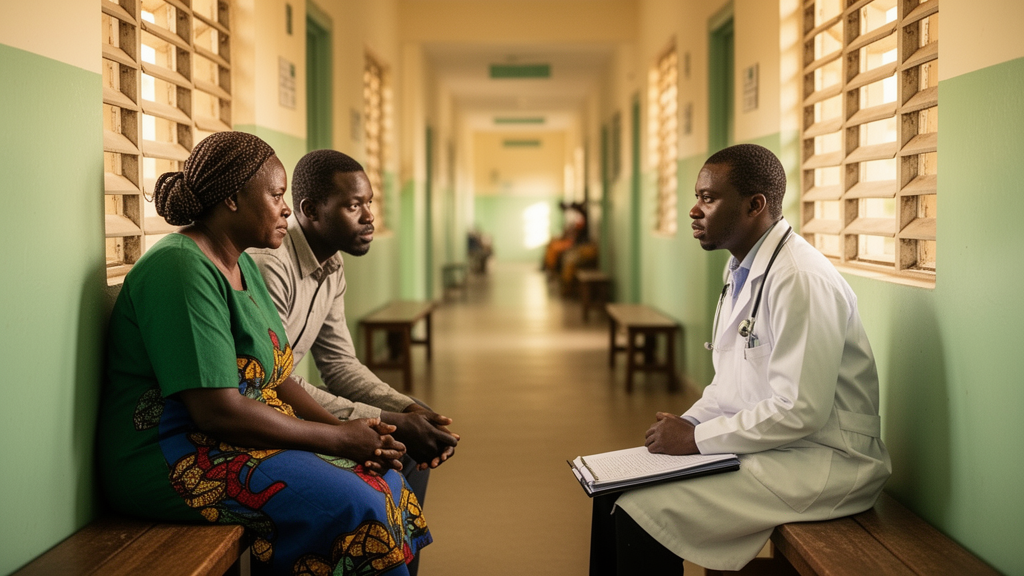
A primary finding of the research is a recurring ethical dilemma: while the patients themselves expressed a clear preference for direct, honest disclosure of their prognosis, their family members consistently advocated for withholding such information. Families often argued that shielding the patient from the reality of a terminal diagnosis was a necessary act of protection to prevent further emotional distress. For clinicians, this creates a profound professional challenge, as they must balance the patient’s right to autonomy against the family’s protective intentions—all while navigating local cultural nuances and language barriers.
“Healthcare professionals are placed in an impossible position,” the study notes. While clinicians often utilize structured communication frameworks like the SPIKES protocol, these technical tools are frequently complicated by the deeply ingrained social expectations of the community. The study found that when these cultural beliefs conflict with medical transparency, the resulting tension can deepen the grief and uncertainty felt by all parties involved.
The research also mapped the intense emotional aftermath of these disclosures, documenting reactions of shock, fear, and profound sadness. However, it also identified essential coping mechanisms. Spirituality, strong familial support networks, and professional debriefing sessions were found to be critical in helping both patients and their loved ones navigate the psychological burden of a palliative diagnosis.
While the study is exploratory and limited to a single hospital setting, the authors argue that its findings serve as a crucial foundation for future medical policy. They suggest that healthcare facilities in the region should prioritize culturally responsive communication training and establish formal, yet flexible, disclosure guidelines that respect the role of the family while upholding the autonomy of the patient.
By providing a voice to the individuals behind these difficult conversations, the study underscores that “breaking bad news” is not merely a clinical task to be managed with a script. Rather, it is a complex, human-centered process that requires institutions to move beyond one-size-fits-all solutions to better support patients and families during their most vulnerable moments.
The study is now available in BMC Palliative Care (DOI: 10.1186/s12904-026-02389-2).
Disclaimer: This content is auto-generated for informational purposes only.
Source: Read Original News