








As the nights draw in and temperatures begin to plummet, we often shift our focus to cozying up our living rooms. However, there is one corner of your property that requires a bit of attention before the frost settles: the garden shed. It turns out that while you are busy planning your winter retreat, local wildlife is looking for a warm, quiet spot to do the exact same thing.
Keeping your garden structures clear of uninvited guests is all about being proactive. Rather than waiting for a surprise, a little bit of maintenance now can save you a headache later. Here is how to keep your shed a pest-free zone this winter.
Clear Out the Kitchen Pantry
We often treat our sheds as extensions of our home storage, but they are frequently home to things that smell like a five-star meal to a hungry animal. Many gardeners store plant seeds, bulbs, and even bags of bird feed over the colder months. To a rodent, this is essentially a supermarket shelf waiting to be raided.
If you have these items stored in your shed, it is time to reassess. Ideally, move any food-related supplies into a secure area like a garage or a basement. If space is limited and you simply must keep them in the shed, do not leave them in paper or thin plastic bags. Invest in heavy-duty metal containers with tight-fitting lids. Metal is one of the few materials they cannot chew through, effectively turning your supply stash into a fortress.
Seal Up Every Entrance
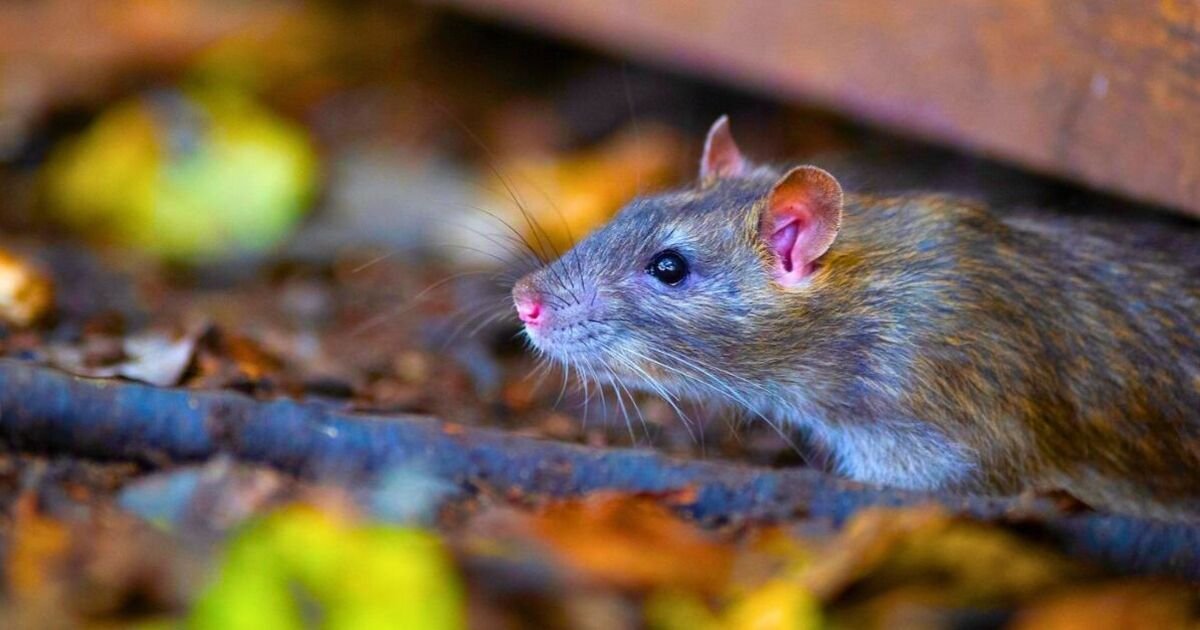
It is easy to assume that a building is sealed tight, but rats are incredibly clever at navigating small spaces. They only need an opening of about six millimeters to squeeze inside. That is roughly the width of a standard pencil.
Take a stroll around the perimeter of your shed with a flashlight. Pay close attention to the door frames, air vents, and the gap between the structure and the ground. If you spot any holes, plug them up immediately. Skip the expanding foam or plastic fillers, as these are no match for determined teeth. Instead, use steel wool or sturdy wire mesh. These materials create a physical barrier that stops them in their tracks while still allowing for proper ventilation.
Manage the Exterior Landscaping
Sometimes, the way into the shed is not through the front door, but via the roof. Overgrown climbing plants, low-hanging branches, or thick ivy can act as a natural ladder, giving pests an easy route to the higher points of your shed.
Take a Saturday morning to trim back any greenery that makes direct contact with your shed walls or roof. Keeping the area immediately surrounding the structure tidy and clear of debris denies these creatures the cover they need to approach the building safely. A clean, exposed shed is far less attractive to a nesting family than one surrounded by a leafy, hidden jungle.
Stay Calm and Stay Organized
If you suspect you have already encountered a pest problem, the urge to go inside and start frantically cleaning or tossing out boxes can be strong. However, it is important to exercise some caution. Suddenly moving heavy items can disturb a nest, causing the occupants to scatter—and often, they will scurry toward the nearest warm building, which happens to be your home.
Instead, keep your storage organized throughout the year. Use shelves to keep items off the floor, which minimizes the number of dark, hidden corners available for nesting. If you find signs of activity, the most practical approach is to call in professional help. Experts have the knowledge to address the issue safely without relying on poisons that could accidentally harm your neighborhood hedgehogs, birds, or beloved family pets.
By treating your shed like an extension of your home—keeping it dry, tidy, and secure—you can ensure that your garden remains a peaceful retreat for you, rather than a cozy hotel for unwanted guests. A little effort during these final weeks of autumn goes a long way toward keeping your mind at ease all winter long.
Disclaimer: This content is auto-generated for informational purposes only.
Source: Read Original News