







The intersection of sleep science and material technology has long focused on mattress ergonomics and temperature regulation, yet one of the most overlooked components of bedroom hygiene is the pillow itself. While modern textiles in bedding often emphasize moisture-wicking capabilities, the physical reality of human physiology—specifically the nightly release of fluids and oils—poses a constant challenge to pillow longevity and cleanliness. Understanding the science behind pillow degradation is essential for maintaining both sleep quality and dermatological health.
The Mechanism of Pillow Discoloration
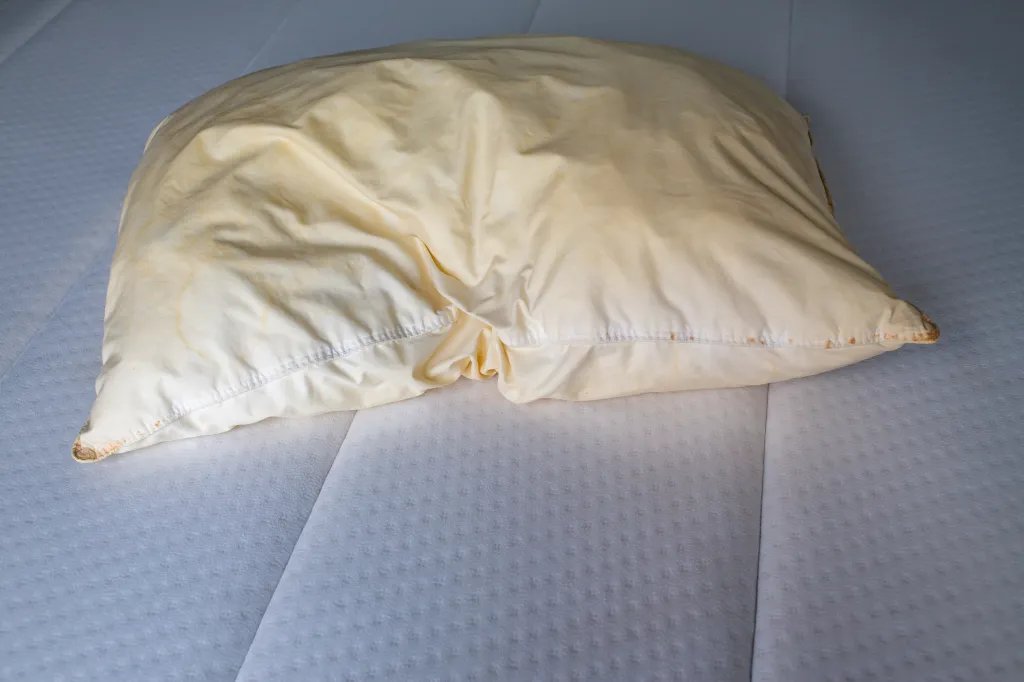
The yellow patches commonly found on the surface of a pillow after the removal of a case are not merely signs of age; they are the physical manifestation of biological and chemical accumulation. During a typical eight-hour sleep cycle, the average human loses between 500 and 1,000 milliliters of water through respiration and perspiration. This moisture, often laden with sebum (natural skin oils), dead skin cells, and residue from hair and skincare products, permeates the weave of standard pillowcases.
Once these substances penetrate the fabric of the pillow, they undergo an oxidation process. Sebum and sweat contain complex organic compounds that react with oxygen in the air, resulting in the chemical breakdown of the substance and the characteristic yellow pigmentation. High room temperatures and increased metabolic heat further accelerate this process. Consequently, a pillow acts as a sponge for these byproducts, eventually creating a permanent discoloration that indicates the material has become a reservoir for trapped biological debris.
Impact on Skin Health and Allergic Responses
The accumulation of residue inside a pillow serves as a breeding ground for microorganisms that can directly impact skin health. Dermatological research consistently links contaminated bedding to various skin concerns. Residual styling products, such as leave-in conditioners or heavy pomades, can transfer from the pillow surface back onto the skin, leading to clogged pores and the development of acne along the hairline and neck.
Beyond cosmetic issues, the microbiome of the pillow plays a significant role in chronic conditions like atopic dermatitis. Elevated levels of certain staphylococcal bacteria, which are naturally present on the skin but can thrive in the humid, protein-rich environment of an unwashed pillow, are known to aggravate eczema flares. Furthermore, pillows are primary habitats for dust mites. These microscopic arachnids thrive in the warm, humid environment created by human perspiration and feed on the shed skin cells embedded in the pillow filling. For individuals with asthma or respiratory sensitivities, the presence of these allergens can cause inflammation, congestion, and chronic sneezing, significantly degrading the quality of restorative sleep.
Advanced Maintenance and Mitigation Strategies
Maintaining an environment that resists microbial growth and material degradation requires a multi-layered approach to bedding hygiene. The first line of defense is the rigorous cleaning of the external barrier. Experts recommend a weekly wash cycle for pillowcases; however, this frequency should increase for individuals with oily skin, those residing in warmer climates, or those who frequently use topical beauty products.
To address the inherent permeability of standard textiles, industry professionals suggest the integration of a specialized, machine-washable pillow protector. These protectors act as a mechanical barrier against moisture transfer, preventing fluids and oils from reaching the core of the pillow. When selecting a protector, consumers should prioritize materials that offer specific resistance to dust mites and allergens. Furthermore, adjusting the application time of nighttime skincare products can yield significant benefits. Allowing at least one hour for topical creams and lotions to fully absorb into the skin before lying down ensures that the majority of these substances do not transfer to the textile surface.
Optimizing the Lifecycle of Sleep Equipment
The transition from a functional sleep aid to a potential health hazard occurs when the internal structure of the pillow begins to fail. Most pillows have a functional lifespan ranging from one to two years. The degradation of the internal structure—whether it consists of memory foam, down, or synthetic fiber—often coincides with the visible yellowing caused by chemical accumulation.
When the structural integrity of the fill material begins to collapse, it no longer provides the necessary cervical support, leading to increased neck discomfort and difficulty in achieving a stable sleep position. While cosmetic yellowing is not an inherent indicator that a pillow is unsafe, it serves as a reliable marker that the barrier protocols have failed and that the internal material has likely become saturated with organic matter.
For those attempting to clean their pillows, it is imperative to follow manufacturer specifications. While some synthetic materials are designed for machine laundering, others, particularly specialized foams, may only be suitable for surface spot-cleaning. If a pillow has reached a state of significant discoloration, is losing its supportive loft, or is being used in an environment with high allergen sensitivity, replacing the unit is the most effective approach to ensuring long-term health. Prioritizing these maintenance standards, combined with an understanding of material limitations, ensures that the primary surface for head and neck support remains a tool for rest rather than a vector for contamination.
Disclaimer: This content is auto-generated for informational purposes only.
Source: Read Original News