







Louisiana Officials Kept SpaceX Spaceport Plans Secret Behind Wall of NDAs
ABBEVILLE, La. — As Louisiana moves forward with a transformative $100 billion SpaceX project in Vermilion Parish, records reveal that the path to the announcement was paved with an extensive web of nondisclosure agreements (NDAs) that kept the public in the dark for months.
State records obtained by The Times-Picayune | The Advocate show that Louisiana Economic Development (LED), the lead agency under Gov. Jeff Landry’s administration, facilitated at least 31 NDAs regarding “Project Osprey.” These agreements bound a wide range of state and local officials—including legislators, environmental regulators, and parish leadership—to absolute silence regarding the massive spaceport deal.
A “Cloud of Secrecy”
The NDAs, which were only released the day after the official project announcement, strictly prohibited signatories from discussing any project details in press releases, social media, or public interviews. The reach of these agreements was broad, encompassing officials from the Department of Transportation, the Department of Environmental Quality, and the Coastal Protection and Restoration Authority.
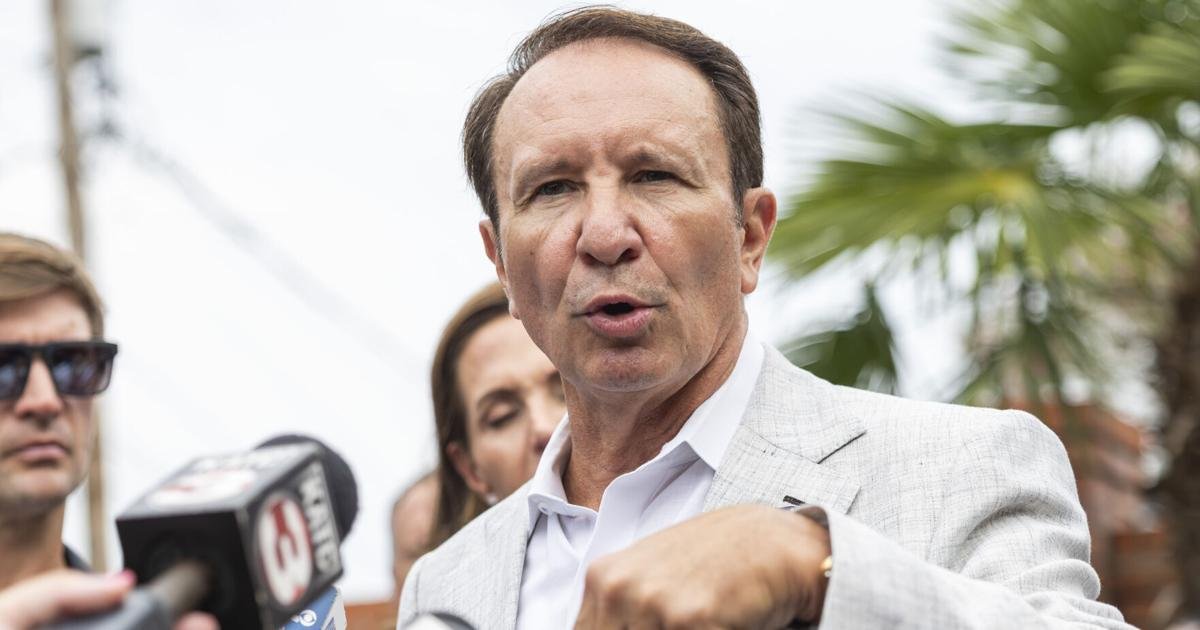
Gov. Landry defended the use of these secretive tools, arguing they are essential to keep Louisiana competitive in a high-stakes race for major industrial investments.
“You think I want Texas to steal my thunder?” Landry asked during a media briefing. “You think I want other states to know what we’re working on?” He noted that companies routinely demand these protections to ensure their negotiations with elected officials meet their specific strategic expectations.
A Controversial Model for Growth
The SpaceX facility is slated for a 125,000-acre tract south of Pecan Island. The state secured the land for $100 million after acquiring it from ExxonMobil as part of a settlement related to coastal land loss. While the administration projects the creation of 3,000 permanent jobs, the use of NDAs has sparked a growing debate over government transparency.
Steve Procopio, president of the Public Affairs Research Council, acknowledged the competitive pressures of economic development but warned of the growing “tension” between business incentives and the public’s right to know.
“At some point, there should be a public process where these things get approved,” Procopio said, noting that the current model often sees the state committing significant public resources before citizens are even aware of the project’s existence.
Local Reaction
In Vermilion Parish, local officials who signed the NDAs appear largely undeterred by the lack of prior public input. Chad Vallo, president of the Vermilion Parish Police Jury, noted that he was asked by the state to sign the document and did so without hesitation.
When asked if the public should have had a seat at the table before the deal was solidified, Vallo remained dismissive of the need for transparency during the negotiation phase.
“For this kind of a deal, I don’t see where having a town hall would have done anything more than allow you guys to have the negative side of it,” Vallo said.
A Growing Trend
The SpaceX deal represents only a fraction of the Landry administration’s reliance on confidentiality. Since taking office, LED has signed over 300 NDAs, engaging with corporate giants such as Amazon, Google, and Meta. As Louisiana continues to pursue mega-projects in the data center and aerospace sectors, the clash between “closed-door” recruitment and the public’s demand for oversight remains a flashpoint in state politics.