









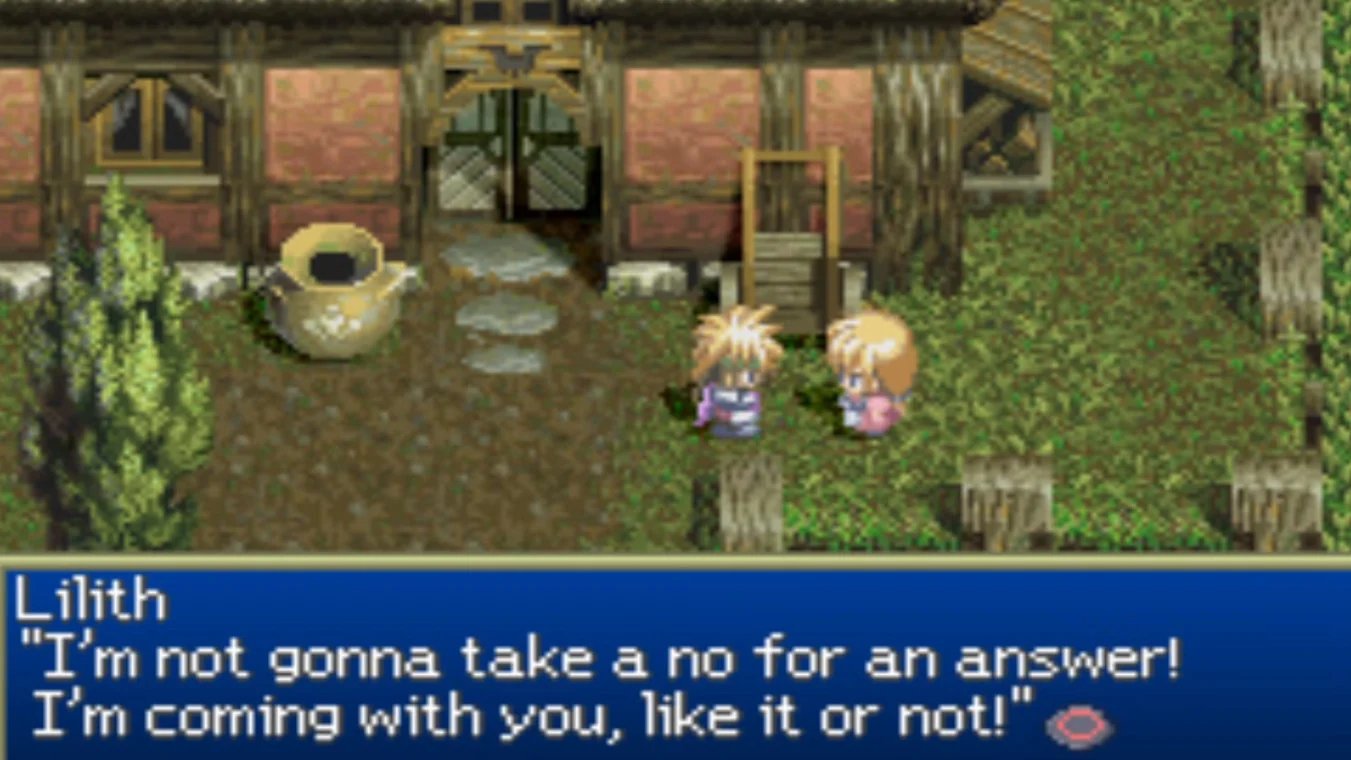
The Discovery of a Three-Decade-Old Secret
In the world of classic software and gaming, discovery is typically an incremental process driven by data mining and source code analysis. However, a recent development regarding the 1997 PlayStation 1 release of Tales of Destiny has defied these expectations. Nearly thirty years after the game first entered the Japanese market, a dedicated enthusiast has officially confirmed the existence of a hidden, recruitable party member that the community had long assumed was either a myth or a remnant of cut content.
The character, Lilith Aileron, is the younger sister of the game’s protagonist, Stahn. While Lilith had appeared in later iterations of the franchise, her presence in the original PS1 code was dismissed by most as an unfinished asset. The recent breakthrough, led by Japanese fan researcher Azekura, serves as a masterclass in community-led forensic gaming. Through meticulous testing and documentation, Azekura verified that Lilith is indeed a fully functional, albeit technically unstable, character within the original 1997 release.
Technical Debt and the Development Lifecycle
The revelation has provided rare insight into the realities of software development during the late 1990s. Jun Toyoda, one of the original producers of Tales of Destiny, publicly acknowledged the situation, clarifying why this hidden feature remained buried for so long. According to Toyoda, the first version of the game suffered from significant time constraints during the final stages of the production cycle.
Toyoda noted that the development team was unable to complete a thorough debugging phase, leaving at least five major software defects in the final retail build, including progression blockers. Lilith’s recruitment sequence was specifically intended to be excised from the code before the gold master was finalized. However, due to the rushed nature of the release, the logic remained intact but inaccessible through standard gameplay. This confirmation explains why data miners had successfully forced the character into parties using external memory manipulation tools for years; the character data was present, but the intended, complex, and “buggy” triggers were hidden behind an opaque wall of design requirements.
The Complexity of Logic Triggers
The recruitment process discovered by Azekura is not a simple interaction. It requires a specific series of player inputs that seem designed to stress the game’s internal variables. Preliminary documentation suggests that players must navigate the entire narrative without triggering “scolding” events or looting items from residential areas, effectively requiring a “perfect” playthrough that ignores standard RPG conventions.
These conditions are remarkably specific, suggesting that the logic used to track player behavior was more advanced than what was commonly expected in 1997. Because these requirements are so punitive and counterintuitive, they essentially rendered the secret undiscoverable through casual play. Furthermore, once the sequence is initiated at the end of the game, the software encounters a critical failure. On the original 1997 Japanese disc, triggering the final recruitment event causes a softlock, as the game attempts to call a scene or asset that was never fully implemented or was broken during the final build. Players can only successfully bypass this by transferring their save data to the later “BEST” (re-release) version of the game to finalize the sequence.
Implications for Gaming Preservation
This event highlights a unique intersection between software archaeology and community history. While modern developers often use version control and comprehensive bug tracking to prevent such scenarios, 1997-era development relied heavily on manual oversight. The fact that an unintended, broken feature could persist for thirty years serves as a reminder of the fragility of digital history.
For the preservationist community, the case of Lilith Aileron changes the standard operating procedure for analyzing legacy software. It proves that even when code appears “cut” or broken, it may still be functional if the specific, undocumented input sequence is satisfied. It shifts the burden of proof away from simple binary scanning toward behavior-based testing. By mapping out these obscure conditions, the community is not just unlocking a character; they are effectively performing a post-mortem on a development cycle that ended before the internet was a primary tool for troubleshooting game bugs.
The Impact of Community-Driven Research
The validation of this finding by both the development team and the broader user base underscores the importance of long-term community engagement. In an era where digital storefronts often cycle through content and online manuals disappear, the knowledge held by enthusiasts serves as the primary repository for gaming history.
The discovery has reignited interest in the legacy of Tales of Destiny, sparking calls for a modern remaster that could potentially address the bugs present in the original build and fully implement the intended features that were cut for time. As the industry looks toward current advancements in AI-driven testing and automated debugging, the story of Lilith Aileron stands as a monument to human persistence. It is a rare instance where the “forgotten” code of a bygone era was brought back to life, not through a patch or an update, but through the sheer will of a player base unwilling to accept that a secret was truly lost.
Disclaimer: This content is auto-generated for informational purposes only.
Source: Read Original News