





The golden era of Hollywood soundstage real estate, fueled by the pandemic-era streaming boom and seemingly limitless capital, has hit a sharp, painful correction. Just years after institutional investors poured billions into Los Angeles studio facilities, the market is facing a wave of foreclosures, massive markdowns, and historically low production levels that have fundamentally altered the economics of entertainment infrastructure.
The Collapse of the Streaming-Fueled Real Estate Bet
In 2020 and 2021, firms like Hackman Capital Partners, Blackstone, and Bain Capital treated L.A. soundstages as the ultimate “must-have” asset class. Driven by the belief that a continuous content arms race between streamers would necessitate infinite production space, investors paid record-breaking prices for historic lots.
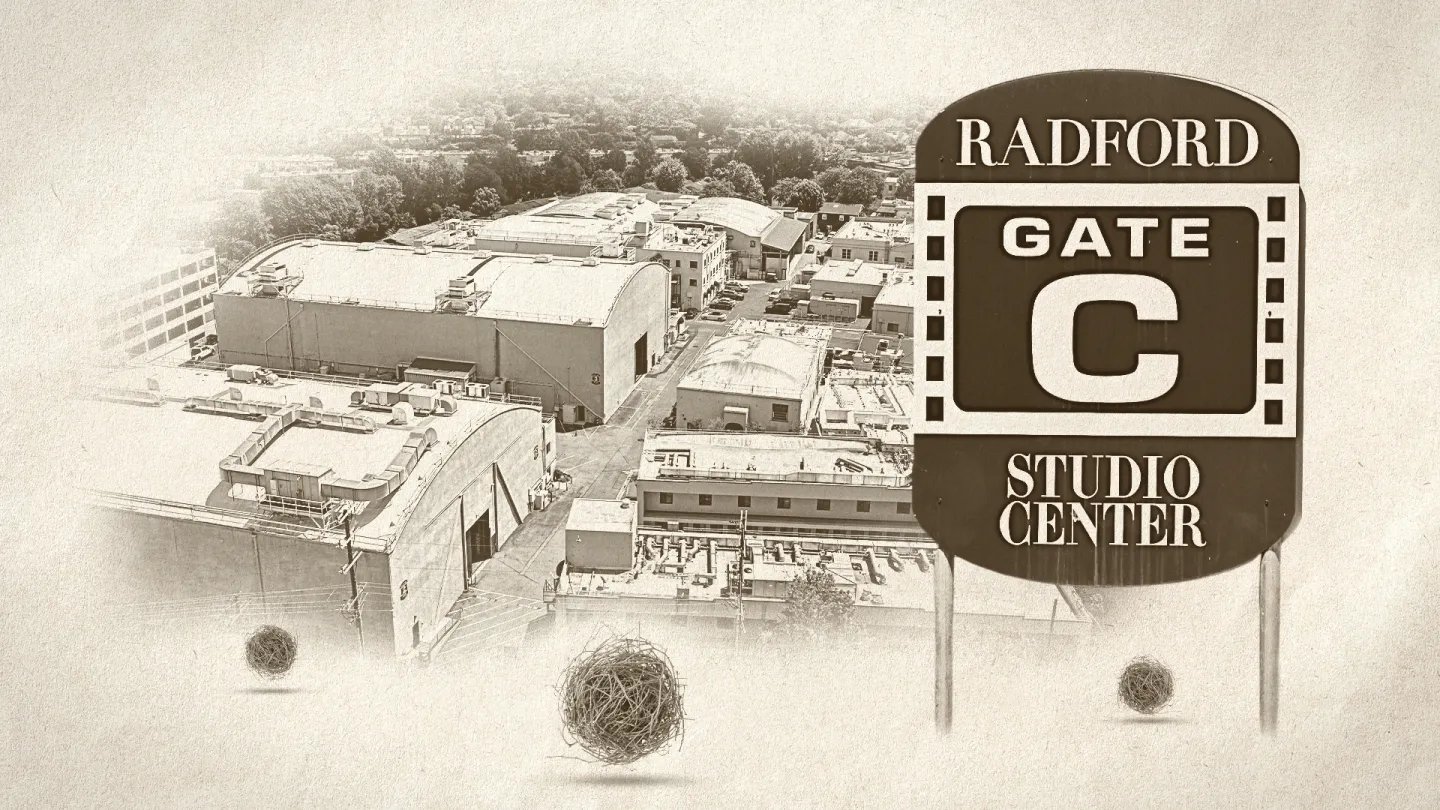
That bubble has since burst. With production levels plummeting—and episodic television—the bedrock of the studio business—shrinking significantly, these assets are struggling to sustain the debt loads taken on during the peak. Nowhere is this more visible than at the iconic Radford Studio Center. After defaulting on more than $1 billion in debt, the property is undergoing a lender takeover led by Goldman Sachs. In a striking sign of the market’s decline, reports suggest Netflix is eyeing the site at roughly a fraction of the original purchase price. As industry observers note, this may mark the end of the line for major independent studio operators who cannot weather the sustained downturn.
The Property Tax Tug-of-War
The financial pain is so acute that even the industry’s most stable giants are aggressively challenging the valuation of their own campuses. Major studios, including Warner Bros. Discovery, Sony, and Universal, have engaged in a long-running battle with the L.A. County Assessment Appeals Board.
Since 2020, property owners have filed hundreds of appeals, clawing back over $300 million in tax reassessments by arguing their lots are worth significantly less than official estimates. Some filings have bordered on the surreal; in specific cases, studios have argued for valuations as low as a few dollars for certain parcels. These appeals underscore a grim reality: the massive production campuses that were once the crown jewels of corporate portfolios are now seen as heavy liabilities in an era of belt-tightening and streaming consolidation.
Adapting to a Post-Streaming Reality
While independent stage operators are fighting for survival, major legacy studios are using their vertical integration to stay afloat. Because studios like Warner Bros. can prioritize their own productions on their own lots, they are maintaining higher occupancy rates than smaller, standalone facilities.
However, the tech-forward future of production remains uncertain. The industry is watching to see if entities like Amazon MGM or Apple Studios—which have traditionally relied on leased space—will move to acquire distressed assets as prices bottom out. Simultaneously, a new generation of studio developers is attempting to pivot away from the traditional 26-episode-per-season model, looking toward social media creators, short-form digital content, and mobile-first “microdramas” to fill their stages.
As FilmLA records show occupancy rates dropping to historic lows of 62 percent, the central question facing the industry is whether the next wave of content—be it AI-generated, algorithm-driven, or creator-led—will require the same massive physical footprint that sustained Hollywood for the last century. For now, the city’s production landscape remains a cautionary tale of what happens when speculative real estate meets a sudden, tectonic shift in how the world consumes entertainment.
Disclaimer: This content is auto-generated for informational purposes only.
Source: Read Original News