








The Digital Revolution in Logistics and Subsidy Oversight
The introduction of the e-way bill system nearly a decade ago was primarily designed to streamline the movement of goods across state borders and curb tax evasion under the Goods and Services Tax (GST) framework. However, its utility has expanded far beyond simple tax collection, emerging as a critical diagnostic tool for the Indian government in monitoring the supply chains of essential, highly subsidised commodities. Recent initiatives by the Finance Ministry have demonstrated that electronic tracking is a potent weapon against the systemic leakage of fertilisers, a sector historically plagued by inefficient distribution and deliberate diversion.
For the Indian agricultural economy, the fertiliser subsidy is a cornerstone of rural welfare, ensuring that farmers have access to affordable inputs to maintain crop yields. Yet, the high level of subsidy creates a significant price gap between the subsidised retail price and the potential market value in industrial applications. This price disparity acts as a constant incentive for diversion, where goods meant for fields are instead rerouted to industrial sectors. The use of e-way bills, which require a digital record for all shipments exceeding Rs 50,000, has provided authorities with a real-time ledger to cross-reference intended destinations with actual truck movements. By identifying unauthorized detours or redundant trips, the government is effectively closing the gap between policy intent and ground-level execution.
Identifying the Mechanics of Leakage and Diversion
The challenges associated with fertiliser distribution are multifaceted, often exacerbated by the complex logistics of moving supplies from rail heads to remote, last-mile destinations. Parliamentary standing committee reports have highlighted specific vulnerabilities, particularly in terrains such as Jammu & Kashmir and Uttarakhand, where partial unloading and re-routing during transit are frequently reported. In these regions, the absence of real-time monitoring historically allowed middlemen to siphon off quantities under the guise of logistical difficulties or adverse weather conditions.
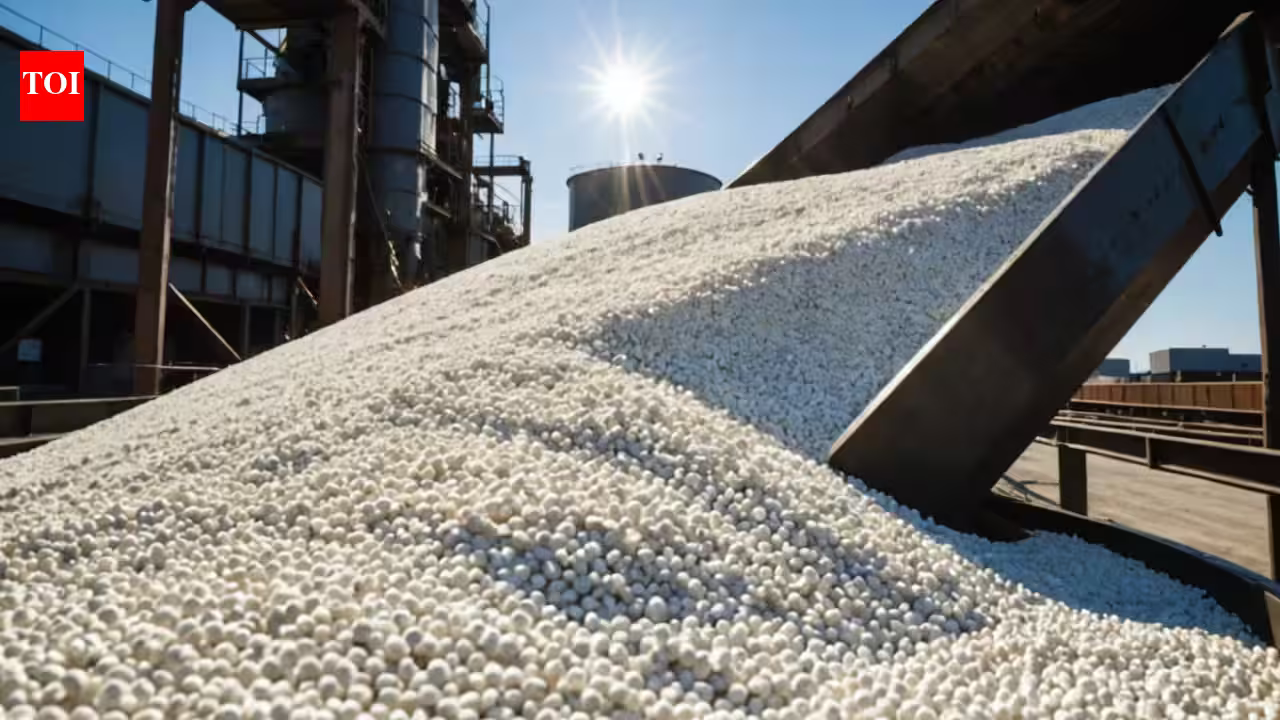
The investigation into these activities has revealed that diversion is not merely a logistical failure but a calculated economic act. Neem-coated urea, which is heavily incentivised for agricultural use, is frequently diverted to industries that produce plywood, resins, and diesel exhaust fluids. Because these industrial sectors rely on urea as a chemical feedstock, they represent a lucrative “black market” for retailers and distributors who are tempted to prioritize industrial buyers over local farmers. By utilizing data from the Integrated Fertiliser Management System (iFMS) alongside e-way bill records, the government can now correlate the timing of rake arrivals with the subsequent onward transportation, flagging any discrepancies that suggest a deviation from the designated path.
The Intersection of Policy, Data, and Enforcement
The government’s crackdown on fertiliser diversion represents a sophisticated shift in administrative enforcement. Instead of relying solely on physical inspections—which are resource-intensive and often reactive—the administration is moving toward a data-driven model. The integration of e-way bill data provides a transparency layer that forces compliance through visibility. When a truck departs from a warehouse, its destination is logged; if that truck fails to report arrival at the designated dealer or local cooperative society, automated systems can now trigger immediate inquiries.
This shift has been necessitated by the rising pressure on national fiscal resources. With the government maintaining a massive fertiliser subsidy bill to insulate farmers from global price shocks—particularly during periods of geopolitical instability like the Iran conflict—any loss to illegal diversion is a direct drain on the national exchequer. Consequently, the Ministry of Agriculture and the Finance Ministry are working in tandem to harmonize their digital databases. The recent spike in enforcement action, including 4.8 lakh raids and the cancellation of 7,000 distribution licenses, reflects a more aggressive stance toward ensuring that the subsidy reaches its intended beneficiary: the Indian farmer.
Regional Challenges and the Cross-Border Factor
The geography of India’s fertiliser supply chain presents unique difficulties. In states like Rajasthan, Uttar Pradesh, Punjab, and Gujarat, the proximity to international borders has led to recurring concerns regarding the illegal smuggling of subsidised urea to neighboring countries. The price arbitrage between the subsidised Indian product and market-rate fertilisers abroad creates a strong incentive for cross-border movement. In these instances, the e-way bill acts as a vital security document. By monitoring the frequency of trucks moving toward border districts and comparing these volumes with local agricultural demand, enforcement agencies can identify anomalies that suggest export-oriented smuggling rather than domestic agricultural consumption.
Furthermore, the rise in unauthorized movement recorded in states like Madhya Pradesh highlights that even within the country, internal diversion remains a challenge. The parliamentary report’s observation regarding the lack of valid documentation for thousands of shipments suggests that some players continue to test the system by bypassing digital formalities. However, the consistent enforcement—evidenced by over 850 FIRs registered against defaulters—is beginning to create a deterrent effect. By consistently verifying shipments against the e-way bill database, the authorities are effectively shrinking the space for illicit activities.
Future Directions: Enhancing Supply Chain Integrity
Looking ahead, the integration of digital tools like the e-way bill into the agricultural sector is likely to expand. The success of this initiative suggests that similar methodologies could be applied to other subsidised commodities, such as public distribution system (PDS) food grains or fuel. The primary lesson from the current fertiliser crackdown is that transparency and accountability are the most effective deterrents against corruption. As the government continues to modernize its logistics framework, the focus will likely shift toward predictive analytics, where AI-driven models can flag suspicious logistical patterns before the leakage even occurs.
For the Indian business landscape, this marks a professionalization of the entire supply chain. Distributors, transporters, and retailers are now operating under a higher degree of digital scrutiny, which forces them to maintain accurate inventory and delivery records. While these measures increase the operational burden on small-scale entities, they are essential for ensuring the sustainability of the subsidy regime. Ultimately, the use of e-way bills to track fertilisers demonstrates the power of digital governance to safeguard public funds. As these systems become more robust, the hope is that the efficiency gains will reduce the need for reactive, raid-based enforcement and instead foster a transparent, compliant, and highly efficient national logistics network that ensures agricultural inputs reach the soil, not the black market.
Disclaimer: This content is auto-generated for informational purposes only.
Source: Read Original News