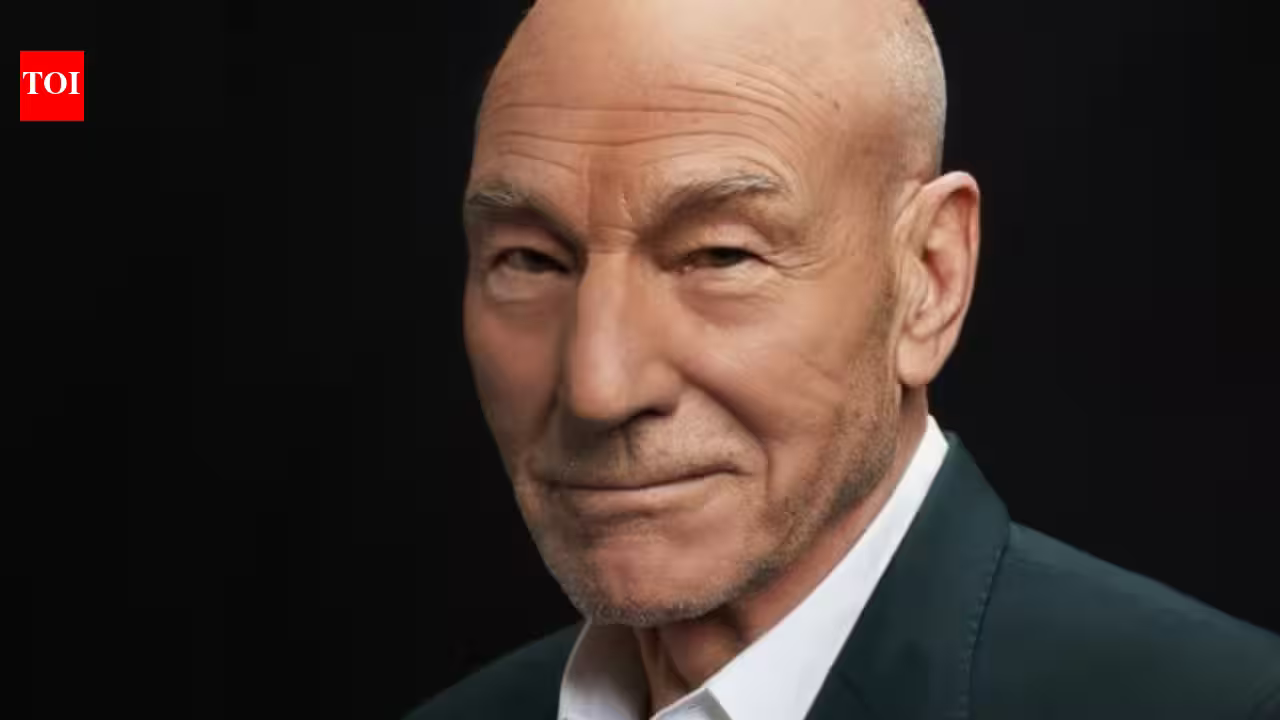









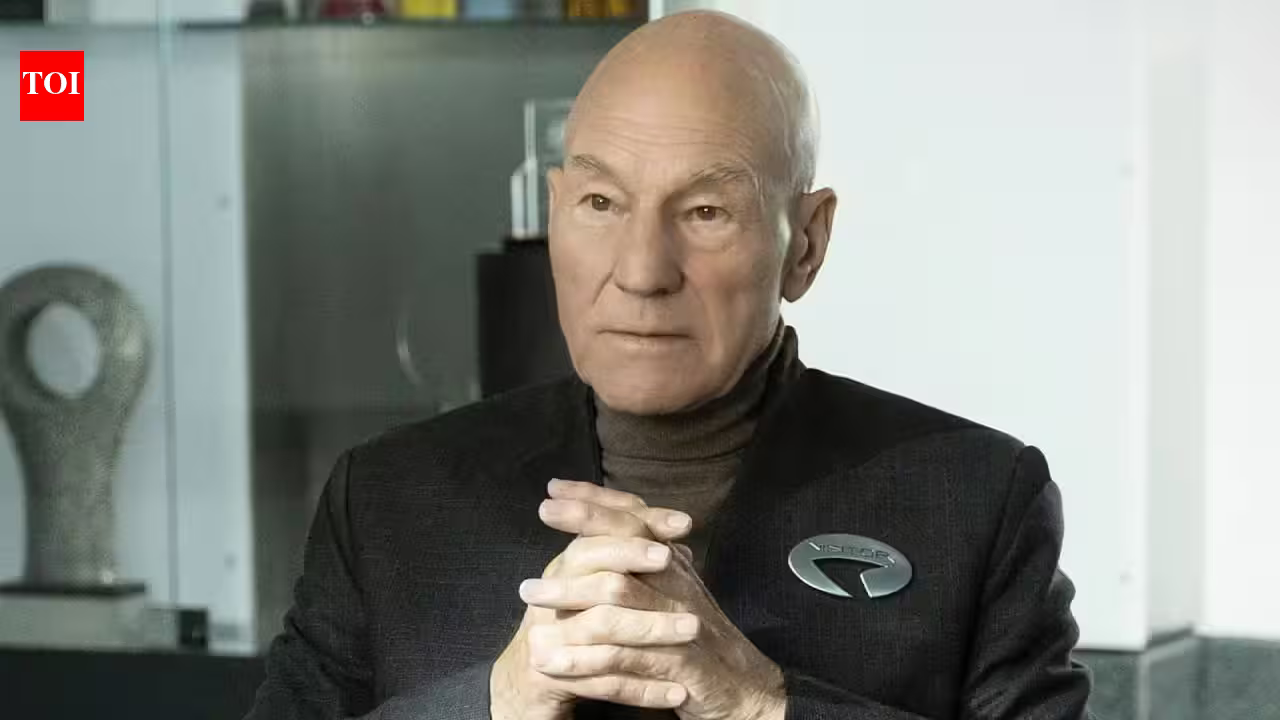
The theater world and the galaxy at large are mourning a titan today. Sir Patrick Stewart, an actor whose gravitas and intellect reshaped the cultural landscape of science fiction and redefined the boundaries of classical performance, has died at age 86. He passed away at his home in Los Angeles on October 28, 2026, surrounded by family, following a courageous battle with Alzheimer’s disease and Lewy body dementia.
His death marks the end of a six-decade-long career that felt as though it moved between different dimensions—from the hallowed, dimly lit stages of the Royal Shakespeare Company to the gleaming, high-tech bridges of the USS Enterprise.
A Master of the Classical Craft
While millions recognize him for his screen work, Stewart’s heart belonged to the boards. His journey began in earnest in 1966, when he joined the Royal Shakespeare Company. In an era when acting was often defined by gritty realism, Stewart brought a thunderous, articulate authority to the Bard’s work. Whether he was channeling the fragility of a king or the malice of a usurper, his performances were marked by a physical and vocal precision that set the gold standard for his contemporaries.
His Broadway debut in 1971’s A Midsummer Night’s Dream was merely the prelude to a lifetime of critical acclaim. He didn’t just play Shakespeare; he owned it. His two Olivier Awards and numerous honors serve as a testament to an actor who never allowed his fame to diminish his discipline. Even at the height of his Hollywood celebrity, Stewart returned repeatedly to the stage, proving that for him, acting was never about the paycheck or the profile—it was a life-long vocation.
The Captain and the Mentor
In 1987, the landscape of television was forever altered when Stewart was cast as Captain Jean-Luc Picard in Star Trek: The Next Generation. Initially, the industry was skeptical—a classically trained, bald Shakespearean actor in a space opera? It seemed an unlikely pairing. Yet, Stewart turned Picard into a moral compass for a generation. He brought a sense of meditative, philosophical leadership to the role that moved beyond the “cowboy diplomat” tropes of the past.
He didn’t stop there. Just as the cultural consciousness was beginning to associate him inextricably with the stars, he reinvented himself for a new millennium as Professor Charles Xavier in the X-Men film franchise. As the telepathic leader of the mutants, Stewart offered a masterclass in controlled empathy. He played Xavier not as a mere figurehead, but as a deeply flawed, weary, and profoundly hopeful man. His ability to anchor the fantastical elements of superhero cinema with raw, human vulnerability made those films resonate far deeper than the typical summer blockbuster.
A Life Defined by Friendship and Grace
Beyond the spotlight, Stewart was a man defined by deep personal loyalties. His legendary friendship with Sir Ian McKellen remains one of the great bromances of the entertainment industry. Their public appearances—full of wit, playfulness, and mutual admiration—offered fans a rare, unfiltered look at two men who had navigated the complexities of fame together. It was only fitting that when Stewart married singer-songwriter Sunny Ozell in 2013, it was McKellen who stood as the officiant.
The story of their “unofficial” first wedding at a Mexican restaurant in Los Angeles, owing to a clerical mishap with McKellen’s credentials, perfectly encapsulates the charm Stewart brought to his private life. He was a man of high culture, yes, but he was also a man who delighted in the absurd and the human.
The Final Curtain
The statement released by his family following his passing was as poetic and composed as the man himself. They noted he was surrounded by “live music, prayer, tears, laughter, and the kind of profound emotion that only he could inspire.” It is a sentiment that his legion of fans—those who grew up watching him command the bridge of the Enterprise or guiding the X-Men—can surely appreciate.
His passing is a profound loss for the arts, but his legacy is one that resists the fading of time. Because of his work in Star Trek and X-Men, Stewart will remain a permanent fixture in the cultural ether. He showed us that a man could be both incredibly powerful and deeply vulnerable, both a starship captain and a stage performer, both a knight of the realm and a friend of the people.
As the industry grapples with the silence left in his wake, we are reminded of the gift he gave us: the belief that through intellect, empathy, and invincible grace, we could always reach for something higher. Whether he was quoting Shakespeare or navigating the final frontier, Sir Patrick Stewart’s voice remains a resonant, guiding light. The stage is darker today, but the archive of his genius remains, waiting for the next generation to discover the man behind the icons.
Disclaimer: This content is auto-generated for informational purposes only.
Source: Read Original News