








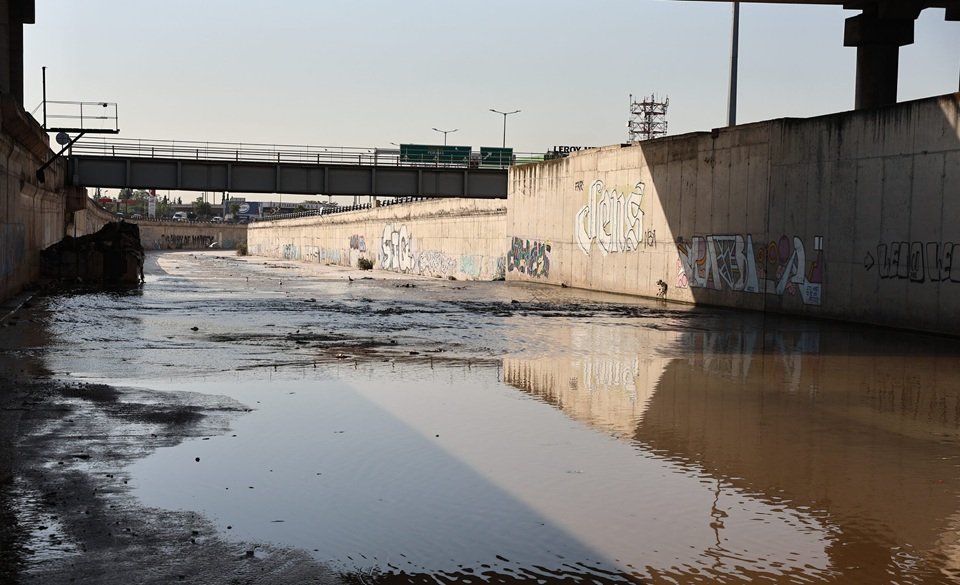
The ecological health of Athens’ Kifissos River has reached a critical juncture, with new data revealing a sharp decline in water quality over the last five years. Long plagued by the pressures of urbanization and industrial activity, the waterway is now struggling under an accumulation of sewage, livestock waste, and illicit industrial dumping that threatens the local ecosystem.
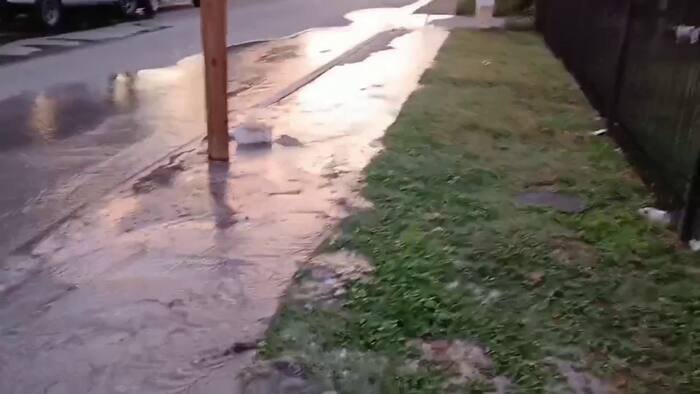
The scale of the crisis was brought into sharp relief this past Tuesday, when local authorities apprehended a tanker truck allegedly discharging liquid industrial waste directly into a storm drain connected to the river system. While such incidents are often sporadic, they underscore the chronic vulnerability of the Kifissos, which serves as a primary drainage artery for much of the Greek capital.
Research conducted by the Hellenic Center for Marine Research (HCMR) provides a sobering timeline of this deterioration. Seasonal sampling comparing the summers of 2020 and 2025 shows a marked decline in ecological status, particularly along the industrial corridor between Kokkinos Mylos and Kymis Avenue. This stretch, which cuts through one of the city’s most densely packed industrial zones, has become a focal point for pollution monitoring.
To assess the river’s health, HCMR researchers utilize macroinvertebrates—insect larvae and other small aquatic organisms—as bioindicators. The composition of these populations serves as a reliable proxy for water quality. According to Elias Dimitriou, a freshwater researcher at the HCMR, the shift in species diversity is a direct response to oxygen depletion.
“When pollution is present, we find species that need less oxygen to survive and are therefore more resilient,” Dimitriou explained. Conversely, organisms that require higher oxygen concentrations to thrive have seen their populations plummet. As the river’s oxygen levels have dipped, the biological diversity has tilted heavily toward pollution-tolerant species.
The contrast in water quality is geographically stark. While the sections of the river closer to its mountain sources and its discharge point at Faliro Bay maintain better conditions, the mid-course segments have seen a consistent regression. Historical data from the HCMR indicates that from 2012 to the summer of 2020, most samples categorized the ecological quality of the river’s macroinvertebrate populations as “moderate” to “good.” Since 2020, however, the data has shifted dramatically; the vast majority of samples are now classified as “poor,” with at least one instance reaching the “bad” threshold.
Physical and chemical testing further corroborates these findings. Throughout the 2012–2025 period, measurements of nitrogen and phosphorus compounds—common markers for sewage and agricultural runoff—have consistently hovered between “moderate” and “poor.”
Despite the clarity of the trend, researchers emphasize that addressing the issue requires a more granular understanding of the contaminants involved. The current testing regime, while effective at identifying overall degradation, lacks the specificity required to hold individual polluters accountable or to design targeted mitigation strategies.
“To determine exactly what types of pollutants are degrading the Kifissos’ water, we need stable nitrogen isotope analysis,” Dimitriou said. He noted that this requires a dedicated, systematic study rather than the standard seasonal sampling currently employed. By identifying the specific chemical signatures of the pollutants, scientists hope to trace the waste back to its exact origin, whether that be illicit industrial activity or systemic failures in municipal wastewater management.
For now, the Kifissos remains a stark example of the environmental costs of unchecked industrial and urban growth. As authorities face renewed pressure to enforce environmental regulations, the river serves as a fragile reminder that the health of Athens’ urban landscape is inextricably linked to the vitality of the waterways that flow beneath it.
Disclaimer: This content is auto-generated for informational purposes only.
Source: Read Original News