







The Trump administration unveiled a new wave of proposed tariffs on the European Union, China, and other key trading partners on Wednesday, citing an ongoing probe into what officials characterize as unfair manufacturing practices.
The move signals an aggressive shift in U.S. trade policy, authorized under Section 301 of the Trade Act of 1974. The White House has increasingly relied on this specific statute to exert trade authority following Supreme Court rulings that restricted the president’s ability to impose country-specific tariffs under previous legal frameworks.
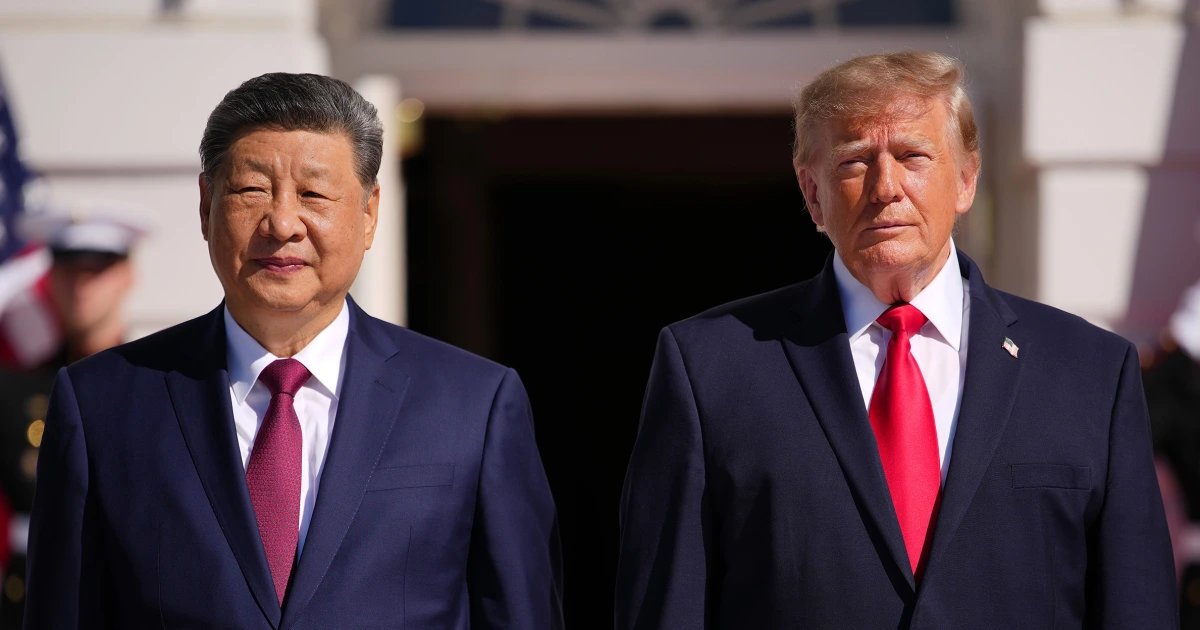
For China, the proposed duties start at 20%—aligning with existing bilateral agreements—but could surge to as high as 40% should current negotiations reach an impasse. The existing trade truce between Washington and Beijing is set to expire in January, and the new proposal adds significant pressure on those high-stakes discussions.
U.S. Trade Representative Jamieson Greer sought to temper concerns regarding the economic impact of the tariffs, telling CNBC that the overall rates for trading partners would not exceed levels previously established in bilateral framework deals. “When it all nets out, it really will just top up a few percentage points,” Greer said, framing the measures as “targeted tariffs” designed to curb global industrial “excess capacity.”
However, the announcement arrives at a precarious political moment. Less than a month ago, the administration’s protectionist trade agenda and the resulting inflation—which hit 3.7% in September—were widely viewed as primary contributors to significant Republican losses in the midterm elections.
The proposal has already drawn sharp international criticism. A spokesperson for the Chinese Commerce Ministry dismissed the U.S. rationale, labeling the concept of “overcapacity” a “false proposition” and a pretext for political manipulation. Meanwhile, transatlantic tensions remain high; the U.S. has recently accused the E.U. of providing unfair subsidies to aerospace giant Airbus, a claim European officials have firmly rejected as baseless.
The administration’s trade relationship with Canada remains similarly strained. Formal negotiations collapsed in August after Prime Minister Mark Carney accused the U.S. of demanding “uneconomic” terms. While informal talks have recently resumed, Greer admitted on Wednesday that significant “sticking points” remain.
Notably, Mexico was excluded from the current round of proposed tariffs. Greer indicated that an investigation concerning Mexico is still underway, suggesting that a decision regarding that trading partner will be delayed until the report is finalized.
Greer signaled that the implementation of the new duties is not imminent, stating that they would likely not take effect for several months, providing a window for further negotiations. “We’ve talked to our trading partners about this,” Greer said. “I think a lot of this is baked in.” Whether those discussions will prevent another cycle of retaliatory trade wars remains to be seen.
Disclaimer: This content is auto-generated for informational purposes only.
Source: Read Original News