







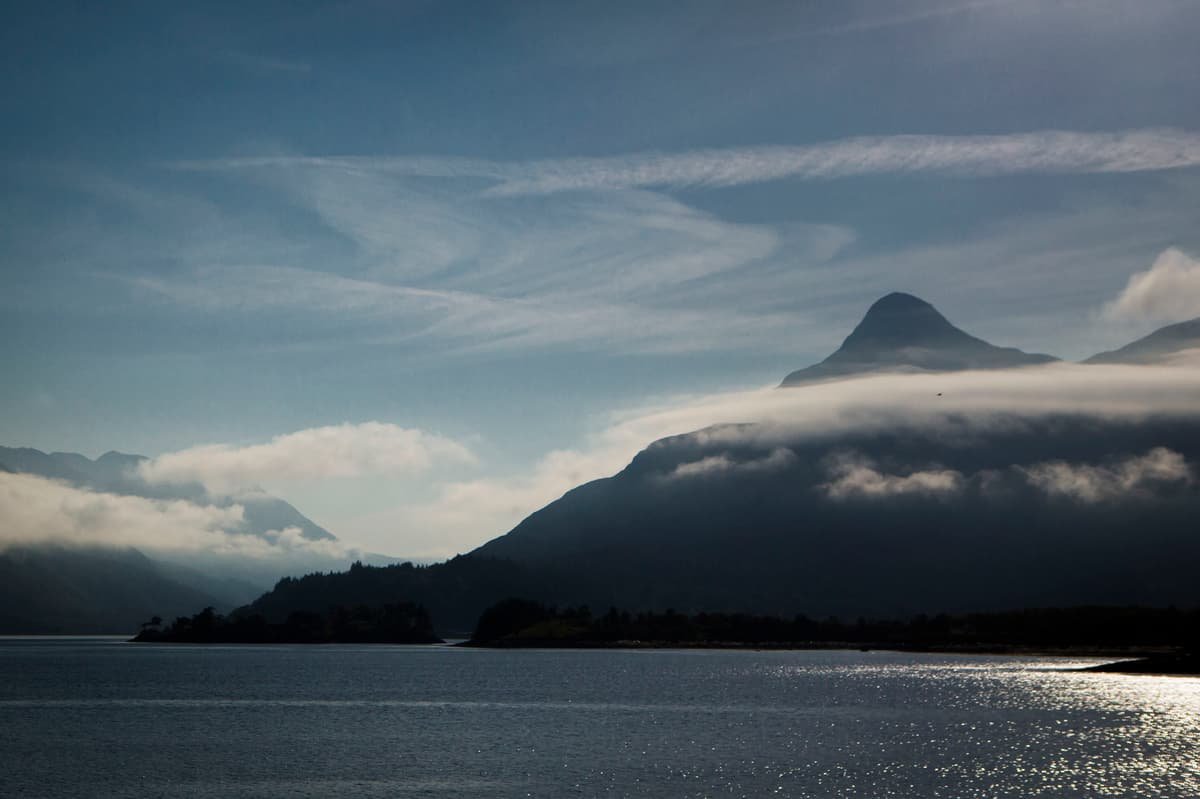
Urgent Calls for Trawling Ban to Protect Scotland’s ‘Vulnerable’ Sea Loch Carbon Stores
Environmental campaigners are ramping up pressure on the Scottish Government to implement a ban on seabed trawling, citing new research that suggests Scotland’s sea lochs are critical—and fragile—frontlines in the fight against climate change.
Scotland’s sea lochs are being hailed as vital, yet overlooked, allies in the battle against rising global temperatures. According to experts, these deep, sheltered waters serve as massive natural reservoirs for carbon. However, a new report from the University of St Andrews warns that these stores are at significant risk of being destabilized by human activity, specifically seabed trawling.
The Sustainable Inshore Fisheries Trust (Sift) has spearheaded the call for “coherent measures” to safeguard these areas, arguing that the consequences of inaction could be severe.
The ‘Sea Loch Simulator’ Findings
The research, which utilized a “sea loch simulator” to test the impact of physical disturbances on seabed sediments, delivered what lead author Lauren South described as “startling” results. The study found that even a single instance of seabed disturbance—such as that caused by heavy fishing gear—can trigger rapid and significant releases of sedimentary organic carbon back into the water column and, ultimately, the atmosphere.
The study highlighted that the upper ends of sea lochs, where freshwater runoff deposits peat from the surrounding glens, are the most vulnerable.
“We now know from these groundbreaking experiments that even a single disturbance event can have a major effect on these important sediments,” said Charles Millar, executive director of Sift. “With Scottish peatlands at ever greater risk of fire… we must urgently act to protect our equally important seabed carbon from disturbance.”
A Growing Environmental Mandate
The push for a trawling ban comes in the wake of a legal setback for the Scottish Government. Earlier this year, the administration was found to have failed in its legal duties to ensure the Scottish seabed reaches “good environmental status.”
Professor Bill Austin, a co-author of the report and lead on the Scottish Government’s Blue Carbon Action Plan (published in September 2025), emphasized that the science is increasingly clear. “A single disturbance event can drive significant losses,” he noted, reinforcing the urgent need to integrate marine management with climate policy.
Government Response
The Scottish Government has acknowledged the significance of blue carbon habitats in supporting biodiversity and climate mitigation. However, a spokesperson stated that the specific impact of human-induced seabed disturbance remains a subject of ongoing scientific study.
“The impacts of seabed disturbance on stored carbon remain subject to scientific uncertainty, and Scotland’s blue carbon action plan includes actions to improve our understanding of these issues,” the spokesperson said.
The government maintained that current protections for Marine Protected Areas (MPAs) are being expanded and that future policy decisions will be strictly guided by the “best available scientific evidence.”
For campaigners like Mr. Millar, the evidence is already sufficient. “Ministers must bring forward coherent measures to protect our seabeds,” he asserted. “That must include a prohibition on seabed trawling on these vital sea loch carbon stores.”
As climate change continues to put pressure on natural carbon sinks—evidenced by recent major moorland fires near Nethy Bridge—the debate over the future of Scotland’s seabed is likely to intensify in the months ahead.