









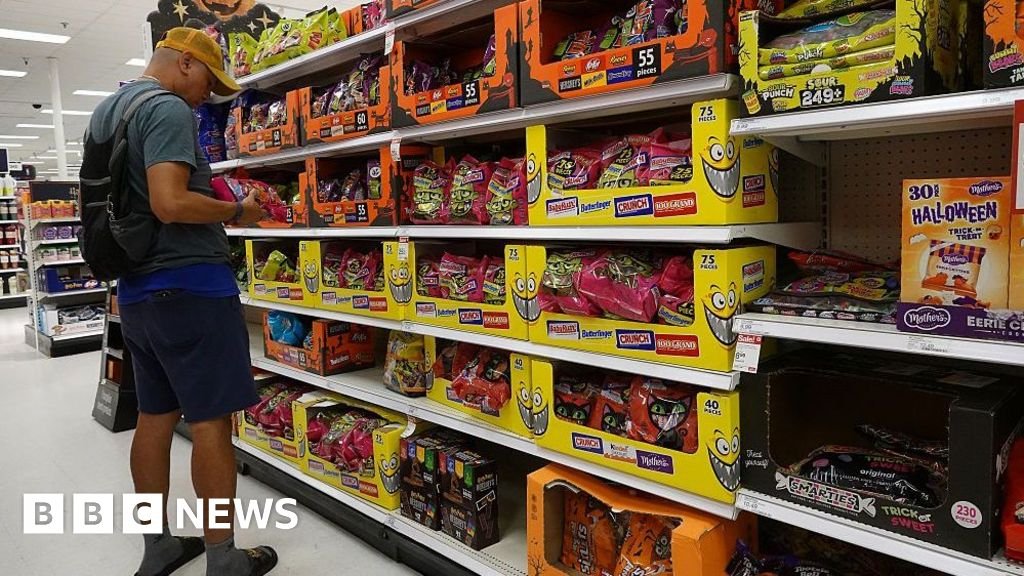
As the October 31 deadline approaches, consumers are facing a “spooky” reality at the checkout counter: the cost of Halloween candy has reached record highs. Driven by poor cocoa harvests in West Africa and rising sugar prices, chocolate prices have surged by double digits, forcing families to rethink their seasonal shopping strategies. However, in an era where the digital marketplace is more competitive than ever, savvy shoppers are turning to AI-driven tools and e-commerce platforms to soften the blow.
## Leveraging AI for Strategic Savings
The days of blindly walking down the grocery aisle are being replaced by data-driven deal hunting. Google has integrated sophisticated shopping features into its search engine, allowing consumers to compare prices across hundreds of retailers instantly. By using the “Compare” tab on Google Shopping, users can view price histories for bulk chocolate, helping them identify whether a current “sale” is a genuine discount or a marketing ploy.
Furthermore, generative AI is playing an unexpected role in budgeting. Shoppers are increasingly using LLM-powered chatbots to generate “Halloween cost-cutting plans.” By inputting their neighborhood demographics—such as the expected number of trick-or-treaters—users can receive customized shopping lists that balance high-end brand-name chocolates with more affordable, generic alternatives, ensuring they stay within budget without sacrificing the “wow” factor for local children.
## The Role of E-commerce and Dynamic Pricing
Tech giants are aggressively competing for the holiday dollar by utilizing dynamic pricing algorithms. Google’s platform often highlights “Price Insights,” a feature that notifies users if a product’s price is currently low compared to its typical cost. For those looking to avoid the inflated prices of last-minute supermarket trips, platforms like Google Express and integrated retailer apps are offering “Buy Online, Pick Up In-Store” (BOPIS) incentives.
These digital tools also enable “bulk arbitrage.” Many tech-savvy parents are bypassing traditional grocery retailers in favor of online wholesale distributors, using browser extensions that automatically search for and apply promo codes at checkout. This intersection of tech and commerce has turned Halloween prep into a logistical operation, where real-time inventory tracking prevents the frustration of showing up to a store only to find the shelves bare.
## Smart Home Tech and Sustainable Snacking
Beyond the candy dish, tech is influencing how families manage the festivities. Google Nest and smart doorbell integrations are being used to monitor foot traffic, helping homeowners decide how many pieces of candy to distribute to each visitor, thus preventing them from running out of supply too early.
Moreover, there is a growing trend of “digital transparency.” Consumers are using QR codes on candy packaging—often indexed by Google Lens—to verify the sourcing of their treats. As concerns regarding the cocoa supply chain grow, shoppers are increasingly using their smartphones to scan products for Fair Trade certifications. While ethical sourcing can sometimes carry a premium, AI-powered price-comparison tools are helping families find these sustainable options at price points that remain competitive with mass-market brands.
As inflation continues to impact the confectionery market, the marriage of technology and consumer behavior is providing a much-needed lifeline. By leveraging the vast index of the web, AI-assisted budgeting, and real-time inventory tracking, shoppers are finding that while the price of chocolate may be rising, the ability to find a deal is more accessible than ever. This Halloween, the most powerful tool in a parent’s arsenal isn’t a bag of tricks—it’s the smartphone in their pocket.
Disclaimer: This content is auto-generated for informational purposes only.
Source: Read Original News