








The Macroeconomic Implications of the US-Venezuela Energy Accord
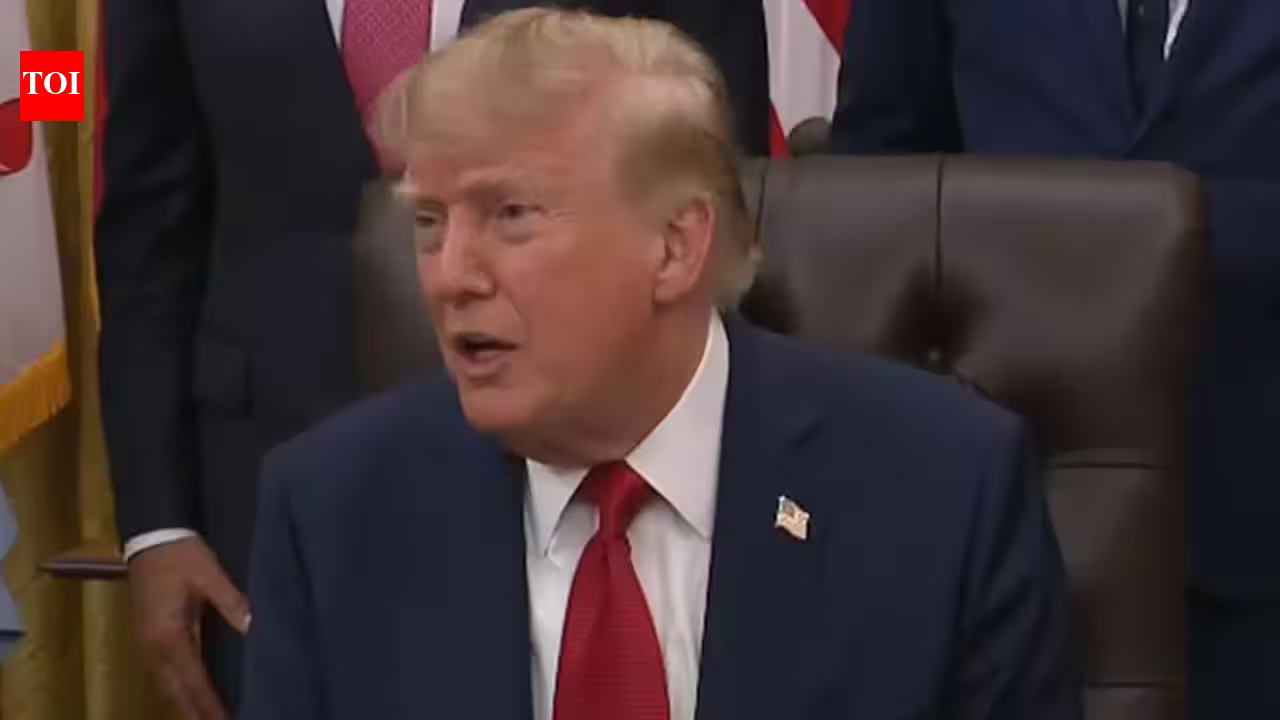
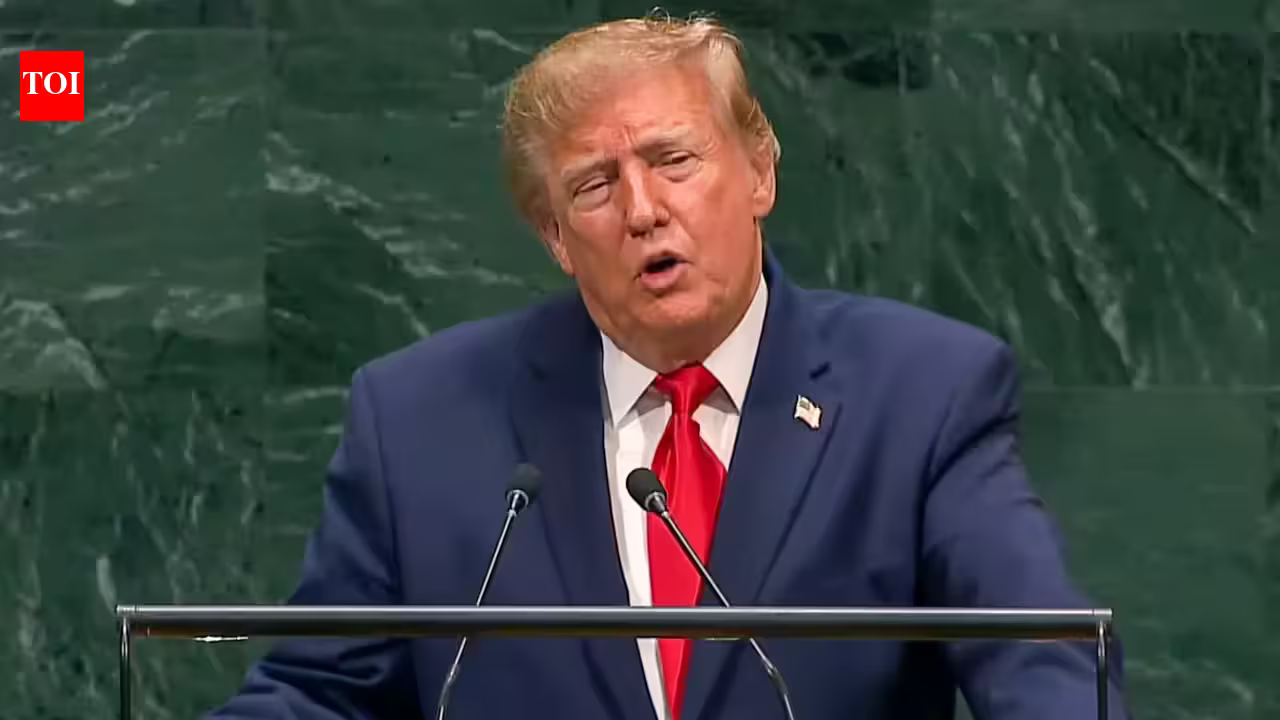
The recent announcement by US President Donald Trump at the United Nations General Assembly regarding a landmark oil deal with Venezuela marks a significant shift in Western Hemisphere energy geopolitics. By securing rights to 65 billion barrels of oil across 17 fields, the United States has positioned itself as a central stakeholder in the rehabilitation of Venezuela’s moribund energy sector. This agreement, described as the largest of its kind, seeks to consolidate control over a massive portion of global reserves, with the explicit goal of driving down energy costs for domestic consumption and global markets.
From an analytical standpoint, the deal is predicated on the deployment of $100 billion in capital into Venezuela’s aging oil infrastructure. The objective is to stabilize production at an initial target of 1.5 million barrels per day. For the global energy market, which remains sensitive to supply-side shocks and geopolitical volatility, the prospect of adding such a vast volume of reserves is theoretically deflationary. If realized, this influx of supply could fundamentally alter the bargaining power of traditional oil-exporting blocs, thereby reshaping price discovery mechanisms for crude oil worldwide.
Assessing the Technical and Logistical Hurdles
Despite the scale of the announcement, industry analysts remain cautious regarding the timeline of execution. Venezuela’s state-run oil infrastructure has suffered from years of underinvestment, mismanagement, and technical decay. The path from signing an agreement to achieving sustained, large-scale production is fraught with operational challenges. Bringing 65 billion barrels to market requires not just the extraction of the raw commodity, but the refurbishment of refineries, midstream pipelines, and terminal facilities, many of which are currently non-functional.
Energy experts suggest that the “long-term” nature of the deal is an admission that short-term relief for retail gasoline prices is unlikely. Capital expenditure of the magnitude proposed necessitates years of construction, procurement, and site stabilization. Therefore, while the market may react to the news sentiment, the physical supply impact will be delayed. For global markets, this creates a period of uncertainty where the expectation of future supply must be balanced against the reality of current infrastructure limitations. The requirement for billions of dollars in remediation before production reaches the promised levels acts as a bottleneck that will dictate the pace of integration into the global market.
The Impact on Global Energy Markets and Pricing
The involvement of major global oil companies, as alluded to by the US administration, suggests that the project will likely be structured as a public-private partnership aimed at mitigating sovereign risk while leveraging technical expertise. The allocation of 55% of the new company’s effective output to the United States, earmarked for strategic reserves and military consumption, underscores a shift toward energy security as a primary driver of foreign policy. This strategic prioritization suggests that the US is pivoting toward a self-sustaining model that insulates its critical sectors from the volatility of external market fluctuations.
For the international energy landscape, this agreement challenges the dominance of other major producers. As the US and Venezuela seek to synchronize their output to potentially control a significant share of global reserves, other oil-producing nations may find it necessary to adjust their own production quotas. The anticipation of this new supply entering the market could force a re-evaluation of long-term price forecasting, as the marginal cost of production for these reserves becomes a key metric for global pricing floors.
Perspectives on the Indian Business and Energy Context
For India, a country that imports over 80% of its crude oil requirements, developments in the Americas are of paramount interest. India’s energy strategy is heavily dependent on the price stability of global benchmarks like Brent and WTI. Any move that drives down the global cost of energy is welcomed by Indian policymakers, as it eases the pressure on the current account deficit and helps stabilize inflation, which is often sensitive to fuel price fluctuations.
However, the Indian context also involves complex diplomatic and trade relationships. India has historically maintained a pragmatic approach to energy procurement, sourcing crude from a diverse range of suppliers including the Middle East, Russia, and the United States. A substantial increase in Venezuelan output, facilitated by US capital, might lead to a reconfiguration of global supply chains. If the US shifts its intake toward Venezuelan oil, it could create new efficiencies in the global distribution of other grades of crude, potentially favoring Indian refineries that are optimized for specific types of oil. Furthermore, Indian public sector undertakings (PSUs) in the energy sector often look for opportunities to invest in upstream projects abroad; the opening of the Venezuelan sector, even under US-led frameworks, may eventually invite opportunities for collaborative investment or technical partnerships.
Geopolitical Strategy and Future Market Stability
The intersection of energy policy and national security is perhaps nowhere more visible than in the current US approach to the Western Hemisphere. By linking energy deals with broader objectives—such as the stated goal of ensuring that hostile actors no longer gain a foothold in the region—the US is effectively using its energy sector as an instrument of regional stability. The rhetoric surrounding the release of political prisoners and the stabilization of the Venezuelan leadership indicates that this energy agreement is one component of a much larger diplomatic and strategic framework.
Critics have questioned the legitimacy of such large-scale resource agreements, arguing that they may bypass established legal norms or fail to address the underlying socio-economic crises within the host nation. Regardless of these criticisms, the business reality remains: the move toward capitalizing on 65 billion barrels of oil is a significant play in the global energy chess match. Investors and corporations must now calculate the risk-adjusted returns of participating in such a high-stakes environment. As the world moves toward a transitional energy era, the endurance of traditional oil assets remains a vital component of the current economic architecture, and this deal ensures that Venezuela—and its vast sub-surface wealth—will remain at the center of the debate for decades to come.
Ultimately, the success of this agreement will be measured by its ability to overcome the physical reality of the field conditions. Whether it serves as a harbinger of a new era of energy cooperation or remains a point of contention in international relations depends on the speed and efficacy of the transition from diplomatic promise to barrels delivered. For now, the global markets have been put on notice that a massive new supply of energy is being brought into the fold, shifting the outlook for energy producers and consumers alike.
Disclaimer: This content is auto-generated for informational purposes only.
Source: Read Original News