








Trump Cites India’s Electoral System to Push for Stricter US Voter ID Laws
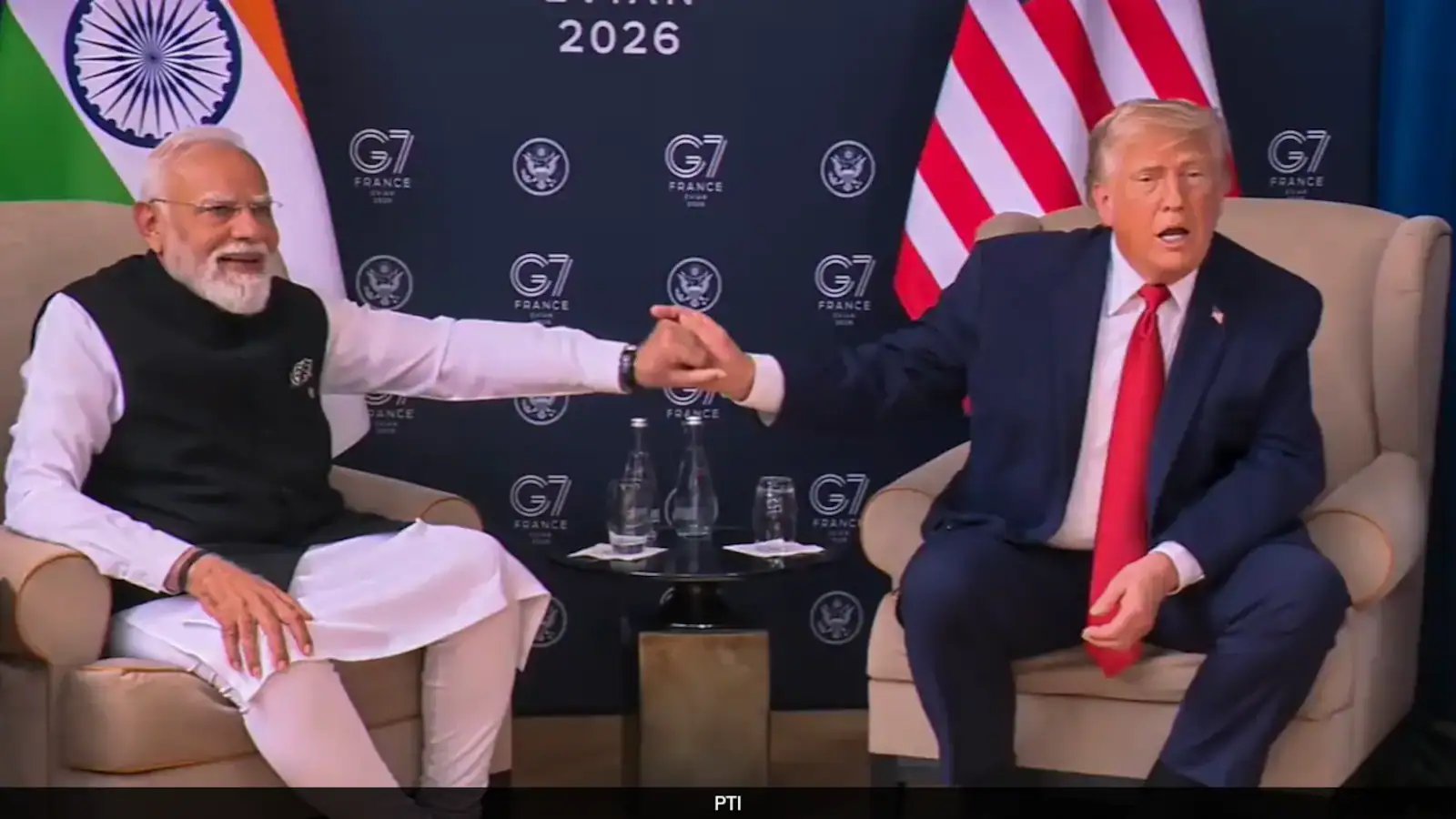
Washington D.C. – Former President Donald Trump has reignited his campaign for robust voter identification laws in the United States, drawing parallels with India’s extensive and rigorously enforced electoral system. Trump, using his Truth Social platform, advocated for the passage of the Safeguard American Voter Eligibility (SAVE) America Act, which seeks to mandate photo identification for all voters and significantly restrict mail-in ballots, claiming these measures are crucial to combat "electoral fraud."
Central to Trump’s argument was a recent interaction between India’s Chief Election Commissioner, Gyanesh Kumar, and the US administration. According to Trump, Kumar questioned the absence of mandatory photo identification in American elections, highlighting India’s stringent requirements. "Earlier this month, India’s Chief Election Commissioner, Gyanesh Kumar, asked our Administration — How can you have Elections in the U.S. without a valid Photo ID?" Trump wrote, quoting Kumar.
Trump further emphasized the scale and integrity of India’s recent general elections, noting that out of 646 million voters, less than one percent utilized postal ballots, and every single voter presented a valid photo identity document. He contrasted this with the American system, where he suggests a lack of such requirements creates vulnerabilities.
The SAVE America Act, which Trump insists is vital for the nation, proposes several key changes:
- Requiring proof of citizenship to register to vote.
- Implementing a nationwide voter identification requirement.
- Severely limiting voting by mail to exceptional circumstances such as illness, disability, military service, or travel.
- Directing states to remove non-citizens from voter rolls.
US Ambassador to India Endorses Trump’s Stance
Adding significant weight to Trump’s renewed push, US Ambassador to India, Sergio Gor, publicly endorsed the former president’s call for stricter nationwide voter identification laws. Gor took to X (formerly Twitter) to back Trump, explicitly citing India’s 2024 general election as a global benchmark for voter authentication.
"President Donald J. Trump is absolutely correct! 646 MILLION voters, every single one required an ID in India’s last election. Congress should pass THE SAVE AMERICA ACT!" Gor posted. His endorsement underlines the growing support within certain political circles for overhauling American election procedures by drawing inspiration from the large-scale and meticulously managed Indian voting system.
The SAVE America Act: A Divisive Legislative Proposal
The proposed SAVE America Act, introduced on January 29, aims to ensure that "American citizens — and only American citizens — should decide American elections," according to statements from the White House, which also described it as a "common sense, bipartisan bill." However, the legislation has faced significant division, with both Democrats and Republicans holding differing views on its necessity and potential impact. The US Senate adjourned for a five-week recess earlier this month without taking any concrete steps towards its passage.
Proponents of the Act argue that it will curb electoral fraud and enhance the integrity of the voting process. They often highlight that the United States lags behind other nations in enforcing basic election protections. The White House explicitly pointed out, "India and Brazil tie voter ID to a biometric database, while the United States largely relies on self-attestation for citizenship."
Opponents, primarily Democrats, often argue that such strict voter ID laws disproportionately disenfranchise minority voters, the elderly, and low-income individuals who may have difficulty obtaining acceptable forms of identification. They also contend that voter fraud is exceedingly rare and that these measures are an attempt to suppress turnout.
As the 2024 election cycle approaches, the debate over voter identification and the future of American electoral procedures is expected to intensify, with India’s example likely to be a recurring point of reference in discussions surrounding election integrity.