








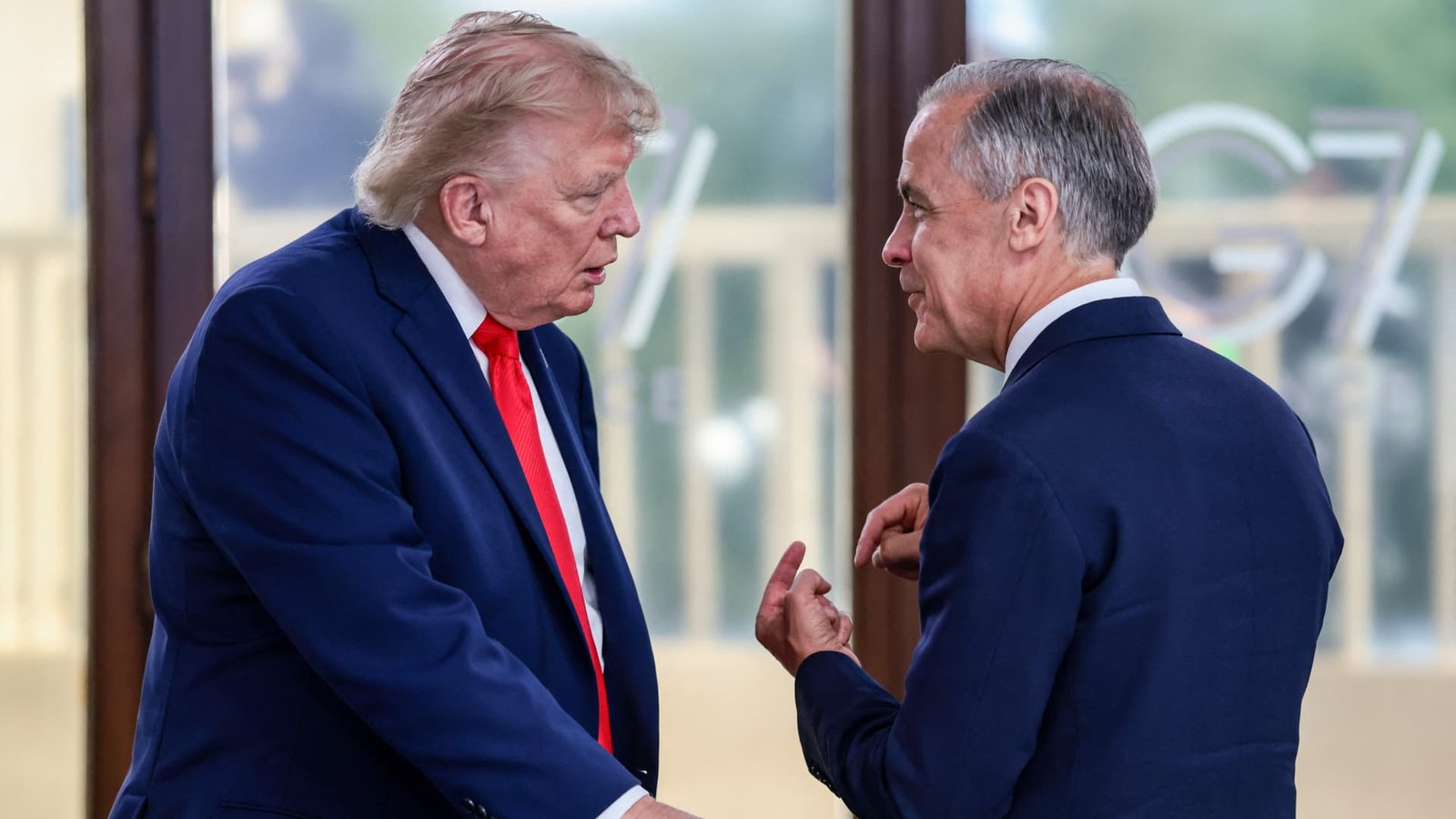
U.S.-Canada Trade Talks Collapse, Triggering Wave of New Tariffs
Tensions between Washington and Ottawa reached a breaking point this weekend as the United States imposed a 50% tariff on a wide array of Canadian goods, officially marking the breakdown of high-stakes trade negotiations. The move, which took effect Saturday morning, affects approximately $20 billion in Canadian exports, including critical sectors such as dairy, furniture, wine, cement, and specialized equipment ranging from fishing rods to hockey gear.
The imposition of duties follows a week of volatile discussions, during which both administrations had signaled that a breakthrough was imminent. President Donald Trump had even granted a last-minute extension to an initial Wednesday deadline, expressing optimism that a final deal was within reach. However, as the clock ran out on Friday, the rhetoric shifted from collaboration to mutual blame.
A Breakdown in Negotiations
U.S. Trade Representative Jamieson Greer took to social media early Saturday to confirm the stalemate, stating that "Canada declined to finalize the trade deal under the terms agreed earlier this week."
In response, Canadian Prime Minister Mark Carney held a press conference in Ottawa to denounce the U.S. demands. Carney argued that Washington’s eleventh-hour changes to the proposed terms were "unfair, uneconomic," and served to undermine the trust required to secure a long-term agreement.
"They asked too much and offered too little," Carney said, asserting that Canada had entered the talks in good faith, offering to drop existing retaliatory tariffs on steel, aluminum, and autos if the U.S. reciprocated. According to the Prime Minister, those concessions were ignored.
Retaliation Promised for September
The collapse of the talks has set the stage for an escalating trade conflict. Prime Minister Carney announced that Canada will implement its own retaliatory measures beginning September 8. While specific details are forthcoming, the Canadian government has pledged that the response will be "dollar for dollar," targeting U.S. sectors including steel, dairy, and agricultural equipment.
Carney also issued a pointed reminder regarding the integrated nature of the two nations’ economies, particularly in the energy sector. "Canada fuels American growth," he said. "I don’t think they want us to stop sending any of that energy."
The U.S.-Canada trade talks collapse has left little room for immediate reconciliation. When asked about the possibility of returning to the negotiating table, U.S. Trade Representative Greer was dismissive, telling Fox News, "They’ve always had the best deal, and they still would have an even better deal, but they didn’t want that."
Growing Domestic Backlash
The decision to move forward with tariffs has drawn criticism from both sides of the aisle in Washington. Senate Minority Leader Chuck Schumer (D-N.Y.) blasted the move, stating that the President has "slapped another bill on hardworking American families" already struggling with high costs.
Regional representatives also voiced concern over the economic fallout. Senator Susan Collins (R-Maine) urged the administration to reconsider, noting that Maine alone imports approximately $2 billion in non-petroleum products from Canada annually. "The Administration must consider the negative impact tariffs would have on Maine businesses, communities, and families," she wrote in a statement.
Representing the business community, Joshua Bolten, CEO of the Business Roundtable, warned that the tariffs and the resulting retaliation threaten to disrupt vital supply chains and increase costs for U.S. consumers.
Despite the mounting pressure, President Trump remains firm, asserting on Truth Social that Canada has long sought "the benefits of being a State, without being one." With no further talks scheduled, the two North American neighbors remain at a standoff, bracing for the economic impact of the new trade barriers.