









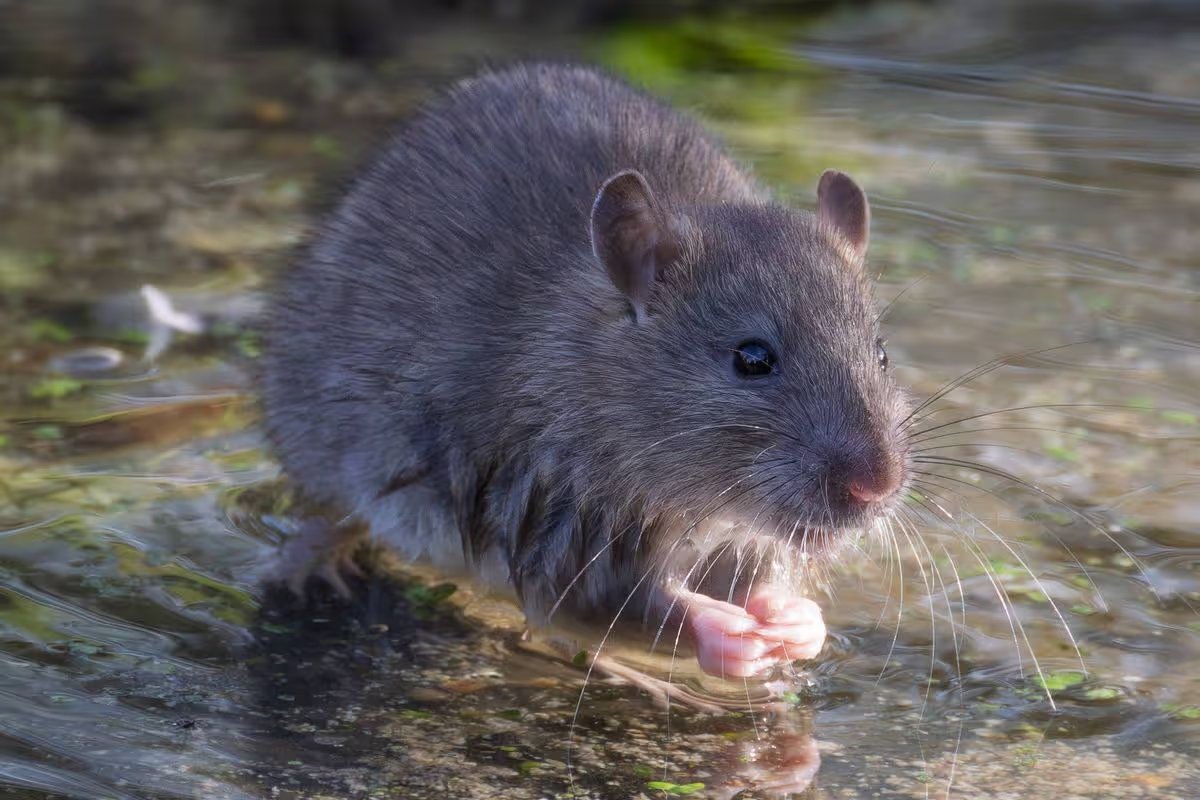
The UK heatwave is driving rats indoors – but this cheap natural rat deterrent could help keep your home pest-free this summer

Rats are invading UK homes in the heatwave, experts said(Image: Getty Images)
Property owners are being warned as pest control specialists deliver grim predictions of what could be “the worst summer for rat invasions ever”. The scorching temperatures might be leaving us all wilting – but they’re having the same effect on rodents, who are apparently swarming indoors to flee the heat.
Britain has been baking this week in 39C temperatures with a red heat health alert issued by the Met Office and UK Health Security Agency. Good Housekeeping cautioned: “Despite rodents usually being associated with winter, when they come inside our homes to keep warm, heatwaves can also cause an influx of rodents in UK homes. This is primarily because the pests are driven indoors to escape extreme heat, search for water and forage for food amid increased outdoor dining and overflowing rubbish bins. Once again, open windows and doors offer an easy route out of the beating sun for them.
“These record-breaking warmer summers don’t look like they’re going to be slowing down any time soon and global warming has a direct impact on rodent infestations. Warmer, extended summers create a perfect storm for mice and rats, as it prolongs the breeding season. This speeds up reproduction cycles, resulting in significantly larger rodent populations looking for resources.”
A seasoned pest controller said: “I’ve been working in this industry for 30 years and because of a cocktail of problems combining at the same time, I have never had more calls about rats – and it’s getting worse.”
Nearly half of all pest-related callouts now involve rodent invasions of homes and offices, with some reported rodents matching “the size of a small cat or dog”. In the preceding year, Rentokil warned of a 30 per cent surge in rat populations – equivalent to 33.75 million extra rats.
Furthermore, pest control experts say some people are laying down poison to attempt killing the rats themselves – but this poses risks to wildlife and pets. What’s more, it offers no lasting remedy if rats enter through sewers; they will merely come back.
There are numerous deterrent methods available – and one involves a 22p vegetable! Many of these rats stretch two foot in length and are extremely corpulent, often inflating themselves further as a defensive tactic. A female rat usually produces an average of six litters annually, each holding up to 12 rat offspring.
Considering that rats achieve sexual maturity after roughly a month, two rats can expand to as many as 1,250 in merely one year.
How to safeguard your home from rodents.
Safeguarding your property from rodents during heatwaves centres on exclusion. You need to discover a method to physically block them out while maintaining access to that vital cooling breeze.
Installing mesh screens on windows and doors proves an excellent approach, though rodents can frequently breach and gnaw through even metal screens, so watch for gaps. Seal external openings with coarse wire mesh and secure food supplies and wheelie bins.
Tending to your garden can also play a role in reducing its attraction to rodents. Cut back tree branches and climbing plants such as ivy at least 5-6ft away from your rooflines and windows.
Rodents are looking for water, food and cooler shelter, so concentrate on any spots that might provide this. Heat accelerates decomposition, which creates stronger smells that attract all sorts of pests, including rodents.
Make sure all indoor kitchen bins and outdoor wheelie bins have securely fitted lids. If your bins are damaged, now is the moment to request a replacement from your local council, before you end up with a furry invasion spoiling your summer plans.
Start with your garden.
Rats have an incredible sense of smell, able to detect food from over 2km away. They will journey significant distances searching for nourishment.
So, if you throw any food in your bins, make certain they are fastened with tight-fitting lids. Where possible, keep your bins away from your home to reduce the chance of attracting these scavengers.
By positioning your bin at a distance from your house walls, you can decrease the possibility of drawing unwanted pests.
Use natural predators where possible.
According to the expert, natural predators like cats or owls can successfully discourage rodents. Particular dog breeds, such as Jack Russell terriers, can also protect your home.
Fitting owl boxes in your gardens might encourage these hunters to settle in your garden, thus managing the rodent population. If you’d rather keep animals out of your gardens, think about using decoy predator scents that you can buy online.
These fragrances can deter rats and numerous other creatures including moles, voles, mice, squirrels, and even skunks.
Natural deterrents.
If you’re not enthusiastic about using artificial predator fragrances, then naturally-scented spices or oils might be a practical option. Strong spices like cayenne pepper or garlic cloves can be sprinkled around your property’s access points.
These odours are powerful and can aggravate a rodent’s extremely sensitive nose. It can also be rather budget-friendly – for example, a 4 pack of garlic at Tesco can be bought for 87p – working out at 22p each.
Another approach is to clean surfaces in your property with vinegar, as it removes the food smell that might originally draw them in. Using spices or natural oils such as peppermint or cinnamon oil throughout your property can be effective, though these are merely short-term fixes.
For a more enduring deterrent, think about growing rodent-repelling plants like mint, lavender, or marigolds around your garden’s edge to create a natural boundary.
Get your neighbours on board.
Your rodent issue might not stem from your behaviour alone. Rodents can move from one property to the next, so if you can get your neighbours to join in, you can lower your chances of a rodent invasion.
Organising your community to clean up shared spaces such as alleyways or parks can reduce the rubbish that attracts rodents. If you spot that your neighbour’s bins aren’t properly fastened, you can offer your advice to help create a safer and healthier living environment.