






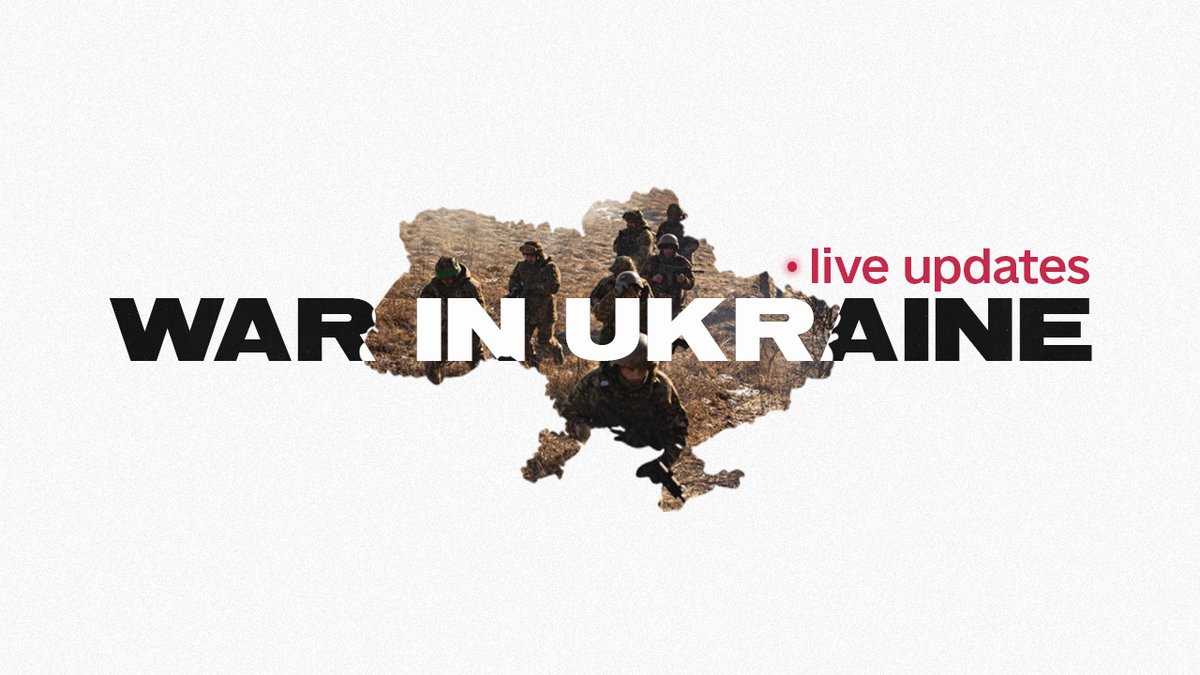
Putin Doubles Down on Protracted Conflict at United Russia Congress
August 23, 2026 — Russian President Vladimir Putin has signaled a firm commitment to a long-term war in Ukraine, using a major party gathering to align Russia’s political infrastructure with his expansionist military goals.
In an address delivered at the United Russia Party Congress on August 22, 2026, Putin effectively positioned his party as the primary engine of the war effort. By framing the upcoming State Duma elections as a referendum on the conflict, the Kremlin is looking to manufacture a sense of popular mandate for a protracted campaign, cementing pro-war ideology as a pillar of the Russian state.
Crafting a Narrative of Strength
According to the latest assessment from the Institute for the Study of War (ISW), Putin’s rhetoric is a calculated attempt to distract the Russian public from the military’s stagnation on the front lines. Faced with a persistent lack of significant tactical breakthroughs, the Kremlin is increasingly emphasizing its combined strike campaign against Ukraine as a "victory." By highlighting these long-range operations, Putin aims to convince domestic audiences that the Russian military maintains the strategic initiative and the ability to formulate kinetic responses to Ukrainian resistance.
However, the reality on the ground presents a more complex picture. During his address, Putin was forced to acknowledge the mounting impact of Ukrainian long-range strikes on Russian fuel infrastructure. This admission marked a rare public concession that Russian domestic assets are increasingly vulnerable, leading the President to stress the urgent need to bolster air defense systems across the country.
Continued Diplomatic Defiance
Despite mounting logistical challenges and the sustained pressure of Western-backed sanctions, Putin reiterated his rigid stance regarding a potential ceasefire. The Russian leadership remains fundamentally unwilling to engage in meaningful peace negotiations, maintaining that the current conflict trajectory remains the only viable path for the Kremlin.
The War Across the Fronts
While the political maneuvering continues in Moscow, the kinetic reality of the war remains intense. Ukrainian forces have maintained their aggressive long-range campaign, systematically targeting Russian port facilities, oil depots, and logistics hubs used for dual-use military purposes.
The Russian military responded overnight with a massive aerial assault, launching 271 drones alongside a series of ballistic and cruise missiles at targets across Ukraine. Despite this sustained bombardment, Ukrainian forces have managed to maintain momentum in several key sectors. Recent reports indicate that Ukrainian troops have successfully advanced in central Kostyantynivka, achieved gains northeast of Oleksandrivka, and pushed forward west of Orikhiv.
As the conflict stretches deeper into 2026, the contrast between the Kremlin’s domestic messaging and the fluid, often unfavorable battlefield realities for Russia suggests that the political and military tensions within the country are likely to intensify.