







Internal Strife: One Nation Leadership at Odds Over Immigration Policy
One Nation is facing renewed internal friction over its core policy platform, as a high-profile MP’s comments on immigration have forced leader Pauline Hanson to issue an urgent public clarification. The confusion centers on whether the party’s proposed cap on arrivals is significantly different from the current government’s approach.
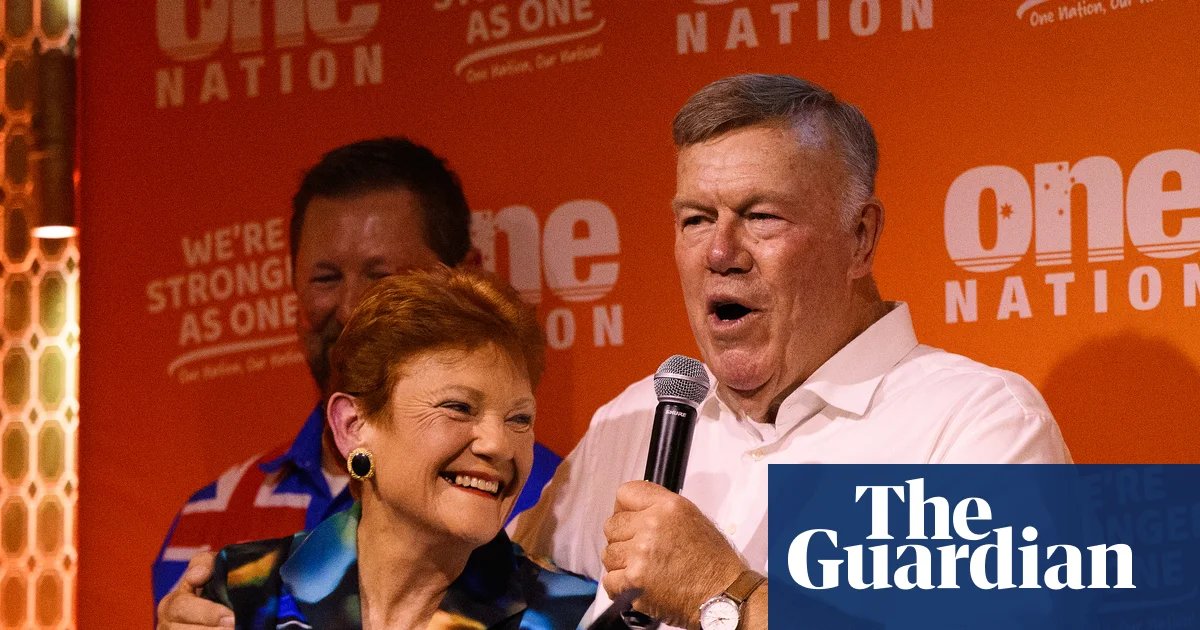
The controversy began Sunday during an appearance on the ABC’s Insiders program, where the party’s Member for Farrer, David Farley, suggested that One Nation’s immigration target is “not too different” to that of the Labor government. Farley argued that certain cohorts—specifically skilled workers, backpackers, and participants in the Pacific Australia Labour Mobility (PALM) scheme—should be classified separately from “true” net overseas migration (NOM) figures.
Farley further suggested that while the party maintains a nominal target of 130,000, there should be "a minimum of 100,000" additional spots reserved for workers essential to the agricultural, mining, and engineering sectors. “The raw number is not too different [to the government’s],” Farley stated. “We don’t need them in the great urban metroplex; we need them out to be productive, working in agriculture, engineering, mining.”
Hanson Reasserts Policy Line
The remarks prompted a swift rebuke from Pauline Hanson, who took to social media hours later to maintain that “One Nation’s policy is to cut net overseas migration to 130,000.” Hanson attempted to clarify the exclusion of seasonal workers, claiming they do not meet the Australian Bureau of Statistics (ABS) residency test for NOM.
However, experts note that the technical definition of NOM—calculated based on people residing in Australia for 12 months out of a 16-month period—would generally include many of the workers Farley advocates for, leaving the party’s math under heavy scrutiny.
Political Backlash
The inconsistency has provided ammunition for the major parties. Shadow home affairs minister Jonno Duniam criticized One Nation for having “at least half a dozen different immigration policies,” while Energy Minister Chris Bowen noted that if the party now supports the government’s approach, he would “obviously welcome that.”
The confusion is particularly sensitive for the party, which has historically campaigned on a platform of strict border control. For the Farrer electorate, which relies heavily on international labor for food processing and aged care, the balance between rhetoric and economic reality has become a recurring issue. This is the second time in recent months that the Member for Farrer has appeared to deviate from the party line on net overseas migration, leading to ongoing public "counseling" from Hanson.
Broader Policy Context
The debate arrives at a critical juncture for Australian politics. The Coalition has signaled it intends to bring migration numbers “well below 200,000,” though they have avoided providing a specific target. Meanwhile, the government is expected to announce further system reforms to reach its own forecasted downward trend in migration, which is predicted to reach 225,000 by the 2027-28 financial year.
As One Nation grapples with defining its own targets, the party faces increasing pressure to reconcile the populist demands of its base with the labor requirements of rural communities—a tension that remains at the heart of the current leadership dispute.