





UN Experts Demand Probe into Indian Protest Crackdown Amid Voter List Controversy
A collective of over two dozen United Nations independent experts has issued a stern call for a transparent, impartial investigation into the actions taken by Indian security forces during recent demonstrations. The protests, which have swept across various parts of the country, were sparked by widespread allegations regarding the integrity of the national voter rolls.
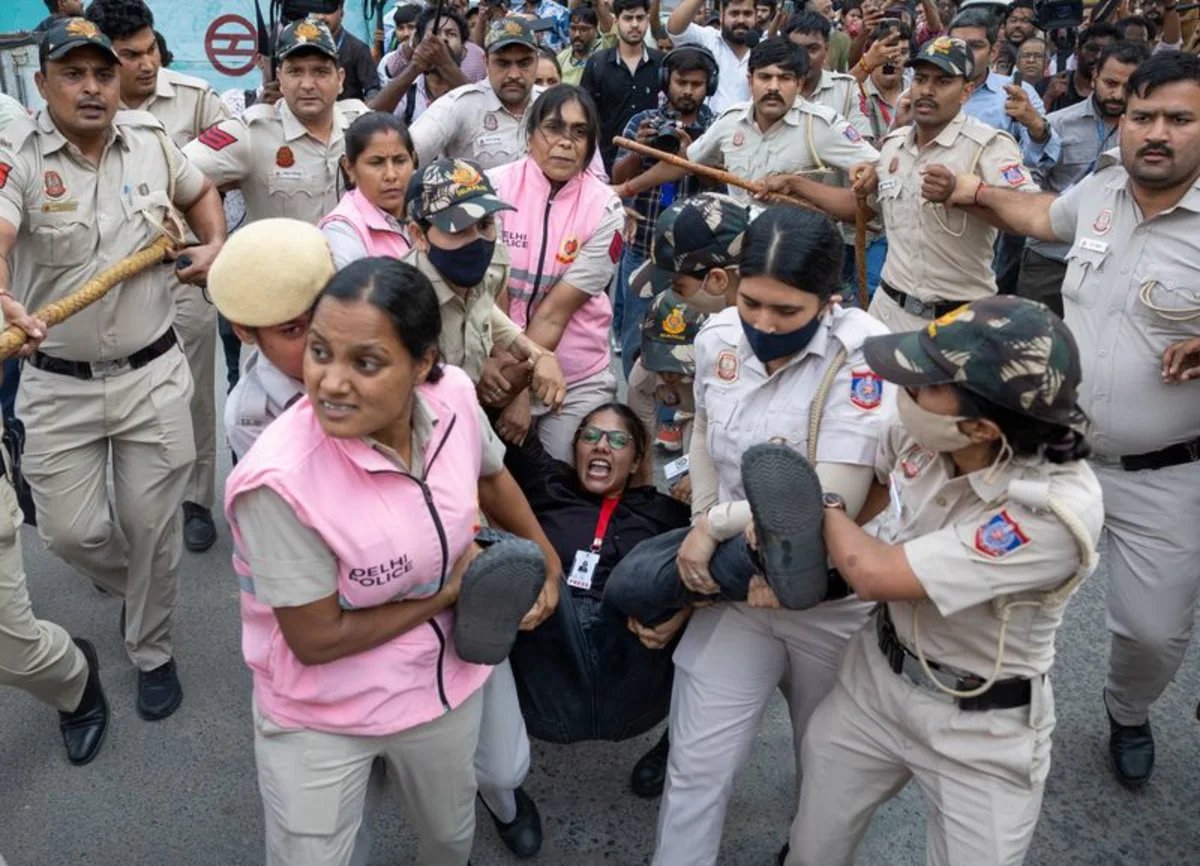
The UN experts expressed grave concern over reports of police brutality, noting that peaceful demonstrators—primarily students—have been subjected to physical violence, including the use of “lathi” charges (baton-wielding force). According to the statement, law enforcement officials have allegedly utilized excessive force against unarmed participants and systematically obstructed thousands from congregating to voice their dissent.
Allegations of Voter Disenfranchisement
The demonstrations were ignited by accusations leveled by opposition parties and student unions against Chief Election Commissioner Gyanesh Kumar. The core of the grievance involves a sweeping revision of voter registration lists, which critics argue has been manipulated to favor the ruling Bharatiya Janata Party (BJP).
Protesters claim that approximately 130 million names were purged from the rolls in a process they characterize as a targeted attempt at disenfranchisement. According to activists, this mass deletion has disproportionately impacted the most vulnerable segments of society, including the homeless, the impoverished, and religious minorities—specifically Muslims, who are perceived as less likely to support the ruling Hindu nationalist party.
In contrast, the Election Commission of India has vehemently denied these claims. Officials maintain that the purging process is a routine administrative measure designed solely to eliminate duplicate entries, deceased individuals, and citizens who have migrated or are otherwise ineligible to vote. The Commission has assured the public that any citizen removed from the rolls in error retains the legal right to file an appeal for reinstatement.
Calls to Cease Surveillance and Restrictions
Beyond the physical crackdown, the UN experts highlighted deeper concerns regarding the state’s approach to dissent. The statement urged Indian authorities to immediately withdraw sweeping bans on public assemblies. Furthermore, the experts warned against the growing reliance on digital surveillance technologies, specifically the use of biometric tracking and the frequent implementation of internet blackouts to stifle mobilization.
“We call on the authorities to immediately cease the use of excessive force, rescind blanket assembly bans, and refrain from the misuse of digital surveillance,” the experts stated.
Official Indian Response
The Indian government has maintained a consistent stance regarding such international commentary, typically dismissing it as an unwarranted interference in the nation’s sovereign internal affairs. While the Indian embassy in Washington did not provide an immediate response to the latest UN report, government spokespersons have previously rejected similar criticism from the UN human rights office concerning mass detentions related to these protests.
As tensions persist, international observers and human rights watchdogs, including Amnesty International and Human Rights Watch, have joined the chorus of condemnation, urging the administration to respect the democratic right to peaceful protest. The UN experts, who serve as independent monitors for the Human Rights Council, remain firm in their demand for a formal inquiry to address the allegations of misconduct and to ensure that the electoral process remains transparent and inclusive.
Disclaimer: This content is auto-generated for informational purposes only.
Source: Read Original News