









Geopolitical Tensions Take a Toll: Indian Carriers See Sharp Decline in International Traffic Amid US-Iran Conflict
NEW DELHI: The escalating geopolitical friction resulting from the US-Iran conflict is exerting significant pressure on the global aviation sector, but recent data suggests that homegrown Indian carriers are bearing the brunt of the crisis far more severely than their international counterparts.
According to figures released by the Directorate General of Civil Aviation (DGCA) on Thursday, international passenger traffic in India during the peak summer quarter (April-June) saw a notable contraction. While the overall volume of passengers flying to and from India dipped by 10.5% to 1.7 crore, the performance gap between domestic and foreign airlines has become stark. Indian carriers reported a staggering 26% decline in international passenger carriage, whereas several foreign airlines managed to sustain or even grow their operations.
A Disproportionate Impact on Indian Airlines
The challenges facing Indian aviation are multifaceted. Alongside the regional instability triggered by the US-Iran tensions, domestic players have been grappling with the long-standing closure of Pakistani airspace, which has severely disrupted flight paths between North India—particularly the major hub of Delhi—and the West.
The impact was particularly visible among the industry’s largest players:
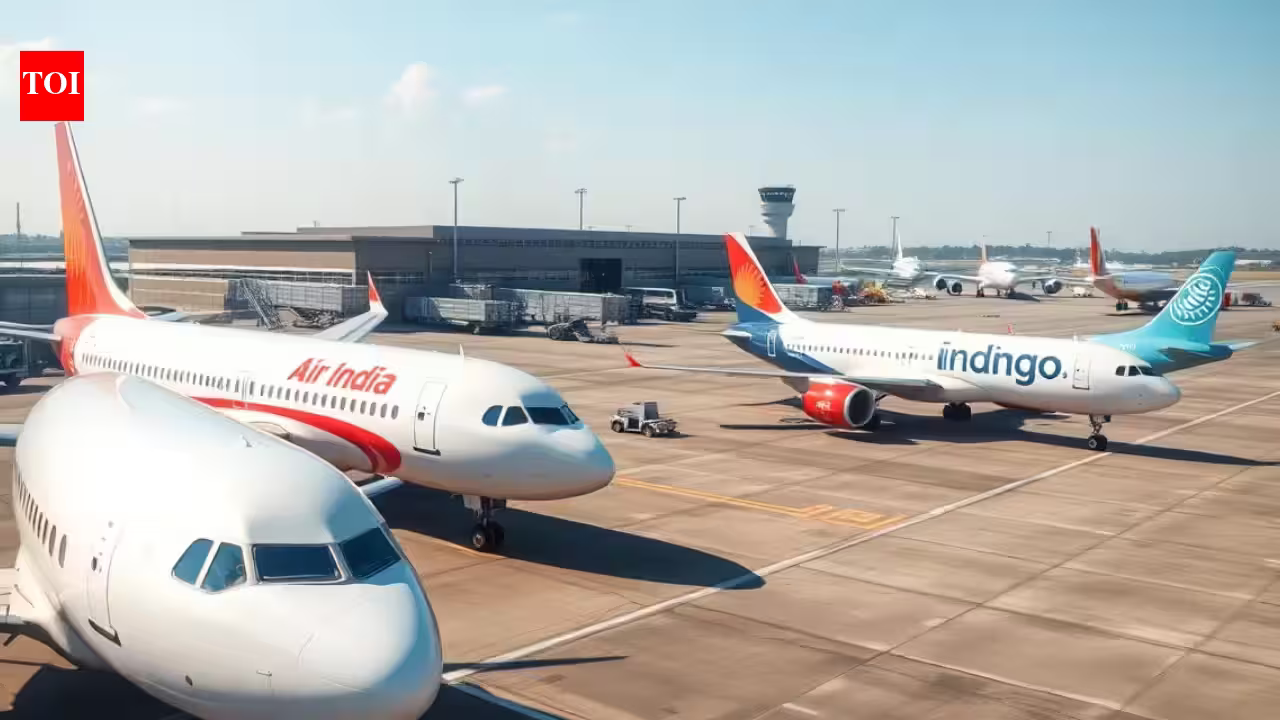
- Air India Group: The group, comprising Air India and Air India Express, experienced a 35% plummet in international carriage. This decline was further exacerbated by a reduction in overseas flights following the unfortunate air crash in Ahmedabad in June 2025.
- IndiGo: India’s largest airline also felt the squeeze, with its international traffic dropping by 15.4%—falling from 39.5 lakh passengers in the same quarter last year to 33.4 lakh this year.
Foreign Carriers Capitalize on Market Shifts
While domestic carriers struggled, certain international operators managed to navigate the turbulent landscape more effectively. Dubai-based Emirates, in particular, benefited from the UAE’s restrictions on foreign airline flights, which allowed it to capture a larger market share. Emirates reported a 7% increase in India-linked traffic, carrying 14.8 lakh passengers compared to 13.8 lakh in the previous year. Similarly, Abu Dhabi’s Etihad maintained a steady performance, with its India carriage seeing only a negligible decline.
Western carriers also demonstrated resilience. Airlines such as Lufthansa, SWISS, and British Airways leveraged their spare capacity—partly redirected from curtailed operations in West Asia—to increase their presence in the Indian market. Lufthansa, for instance, saw its passenger count rise to 3.7 lakh from 3.5 lakh a year prior, successfully bypassing the logistical hurdles currently plaguing the domestic sector.
The Road Ahead
Industry analysts point to a "perfect storm" for Indian aviation, where regional conflict, airspace restrictions, and operational setbacks have converged. As the US-Iran war continues to alter flight routes and operational costs, the aviation sector remains on high alert.
For Indian airlines, the path to recovery will likely require more than just a stabilization of the geopolitical climate; it will demand a strategic reassessment of their international network, fleet utilization, and crisis management protocols to compete with the agile and expanding operations of foreign, specifically West Asian and European, carriers.