









The Intersection of Corporate Governance and Regulatory Mandates
The recent legal maneuverings within the Tata conglomerate highlight a significant tension between private charitable stewardship and the stringent requirements of public financial regulation. At the center of this dispute is the Sir Dorabji Tata Trust (SDTT), which, alongside the R D Tata Trust (RDTT), has initiated legal action against Tata Sons. The primary objective of these suits is to challenge the reappointment of N. Chandrasekaran as chairman and to contest the authority of the chairman’s casting vote in specific board disagreements.
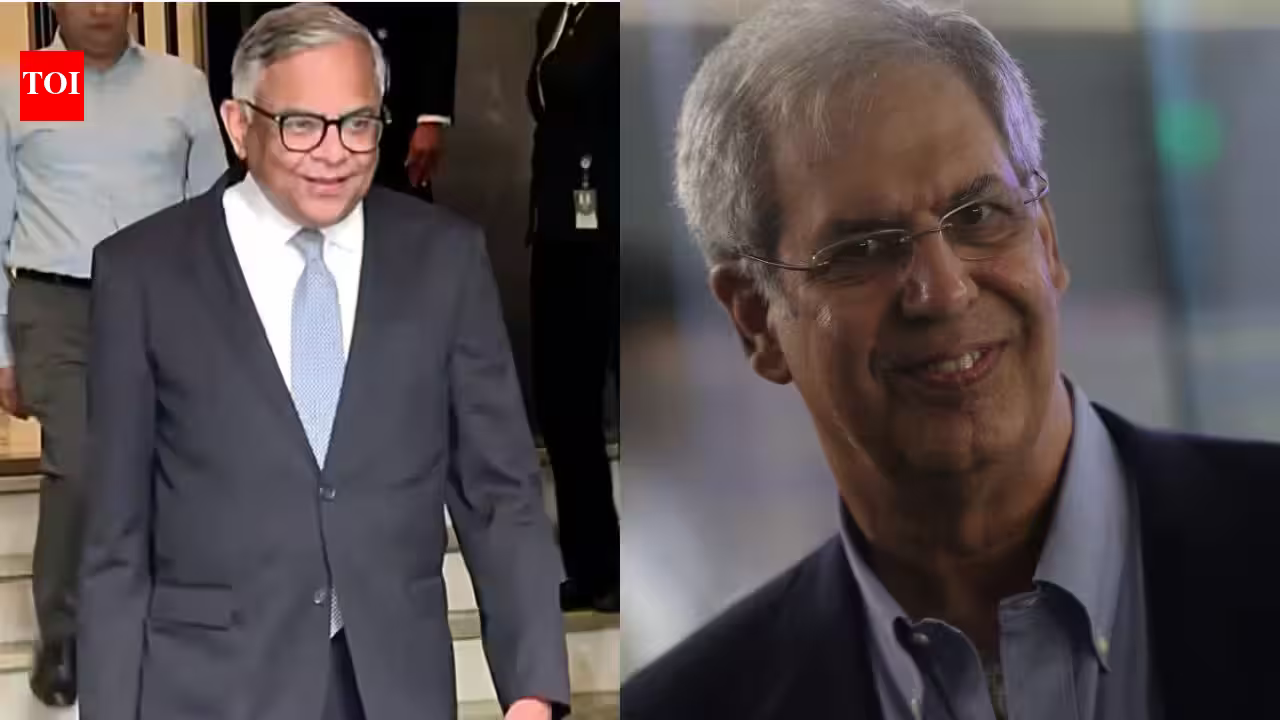
However, the internal rift is becoming increasingly public as two prominent trustees, Venu Srinivasan and Vijay Singh, have escalated the matter to the Maharashtra Charity Commissioner (MCC). Their intervention underscores a fundamental concern: the potential misuse of charitable assets to obstruct a company’s compliance with regulatory obligations. In the Indian corporate landscape, where Tata Trusts hold substantial ownership of Tata Sons, the boundaries between shareholder interests and the fiduciary duties of charitable trustees are rarely tested with such high-stakes consequences.
Regulatory Impasse and the Reserve Bank of India Mandate
The core of the conflict lies in the mandate issued by the Reserve Bank of India (RBI). As an Upper Layer Non-Banking Financial Company (NBFC), Tata Sons is under regulatory pressure to comply with listing requirements. The listing process is not merely a corporate choice but a directive that carries significant legal weight. Srinivasan and Singh argue that by initiating litigation intended to restrain board actions, the Trusts are effectively attempting to create a judicial roadblock against a regulatory requirement.
This scenario presents a precarious governance challenge. If the Bombay High Court were to grant an interim restraint on the board’s ability to move forward with the listing, Tata Sons would find itself in an untenable position. It would be caught between the direct pressure of the RBI—the central banking authority of India—and a court-ordered stay. Such an outcome would not only disrupt the strategic trajectory of the conglomerate but would also signal a breakdown in the internal governance mechanisms that are intended to resolve disputes before they reach the public domain or judicial forums.
The Fiduciary Responsibility of Charitable Trusts
The petition filed before the Maharashtra Charity Commissioner raises essential questions regarding the use of public charitable funds for corporate litigation. Under the Maharashtra Public Trusts Act, trustees have a legal obligation to protect the assets of the trust and ensure they are used for the charitable purposes for which they were established. Srinivasan and Singh argue that financing aggressive litigation against a company—where that litigation primarily serves a disagreement over internal governance and management control—may constitute a misapplication of these resources.
In the Indian legal context, the oversight provided by the Charity Commissioner is designed to ensure that trusts remain accountable to their stated objectives. The argument presented by the dissenting trustees is that the management of a private trust, no matter how influential its shareholding, does not grant trustees the liberty to subordinate legal compliance to internal power struggles. By requesting an inquiry into the paper trail, legal advice, and expenditure associated with the SDTT’s suits, the petitioners are pushing for a high degree of transparency that is rarely demanded in such private-trust settings.
The Implication of Institutional Positioning
The decision by Noel Tata, Neville Tata, and Bhaskar Bhat to proceed with the resolution despite the explicit opposition of Srinivasan and Singh suggests a deep ideological divide regarding the future of the Tata group. The preference for maintaining the private character of Tata Sons appears to be colliding with the reality of its status as an entity subject to financial regulation.
From a market perspective, this instability creates uncertainty for investors and stakeholders. The Tata group is a cornerstone of the Indian economy, and its governance health is often viewed as a bellwether for the broader corporate sector. When the leadership of a primary shareholder like SDTT is visibly fractured, it raises questions about the long-term strategic direction of the conglomerate. The insistence by the dissenting trustees that they are not seeking to rule on the chairman’s appointment, but rather to prevent a “governance impasse,” reflects a strategic attempt to minimize reputational damage while maintaining the focus on regulatory compliance.
Transparency and the Path Forward
As the matter proceeds, the role of the Maharashtra Charity Commissioner will be crucial. The request for a full disclosure of the decision-making process—including whether trustees reviewed the official communications from the RBI before voting—strikes at the heart of the procedural integrity of the Trust. Should the Commissioner find that the Trust acted without due regard for the regulatory implications of its actions, it could set a powerful precedent for how other trusts holding significant corporate stakes conduct their affairs.
The demand for an inquiry before the November 30 Tata Sons board meeting serves to highlight the urgency of the situation. For the Tata group, navigating this period will require more than just legal acumen; it will require a reconciliation of the differing visions for the future of the enterprise. Whether the trusts continue to view themselves as active managers of the group’s policy or transition into a model that respects the autonomy of a modern, regulated corporate structure remains the defining question of this dispute.
Ultimately, this development serves as a reminder that in the modern Indian business environment, the insulation traditionally afforded to private trusts and family offices is increasingly subject to the rigors of transparency and regulatory accountability. As the RBI continues to tighten its grip on the oversight of large financial conglomerates, the internal conflicts at Tata Sons underscore that even the most prestigious institutions are not exempt from the need for robust, transparent, and legally sound governance. The resolution of this specific dispute will likely influence how other major Indian business houses balance their private ownership interests with their public, regulated obligations for years to come.
Disclaimer: This content is auto-generated for informational purposes only.
Source: Read Original News