








Abel Era Dawns at Berkshire: Strategic Spending Signals Shift from Buffett’s Conservative Stance
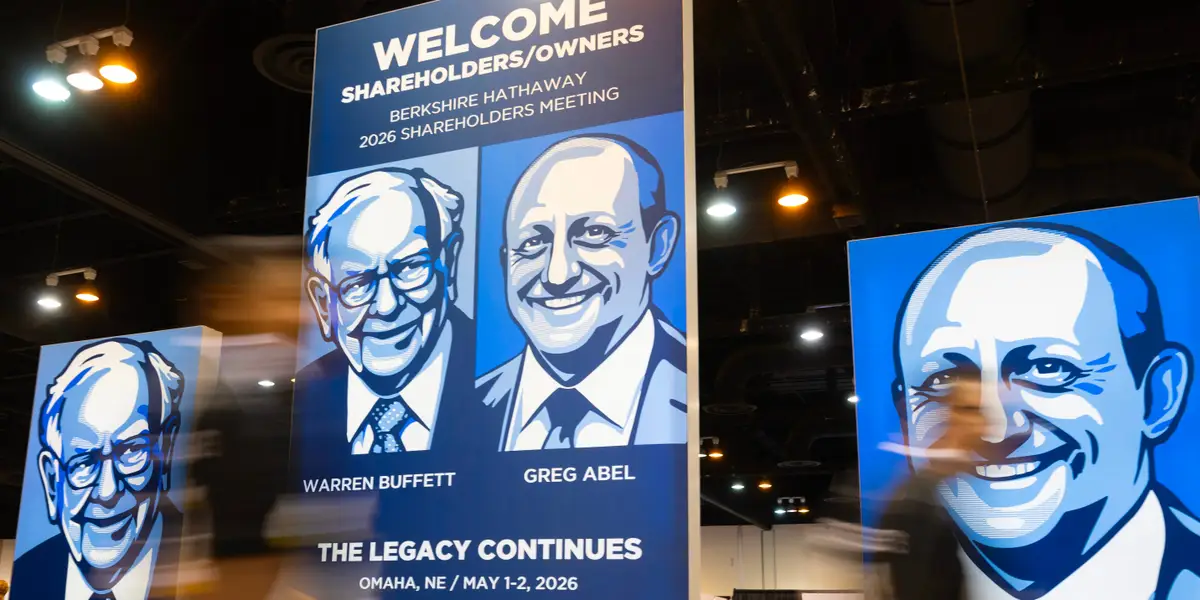
OMAHA, NE – August 15, 2026 – The venerable investment philosophy of Berkshire Hathaway, long synonymous with the cautious capital deployment of its legendary founder, Warren Buffett, appears to be undergoing a strategic recalibration under the leadership of his successor, Greg Abel. Since taking the helm as CEO at the turn of the year, Abel has orchestrated a notable shift towards more aggressive capital allocation, evidenced by a significant reduction in the conglomerate’s prodigious cash reserves and a ramp-up in stock purchases and buybacks.
Abel, who succeeded Buffett, has overseen a decrease in Berkshire Hathaway’s cash and Treasury bills from an impressive $380 billion at the end of March to $365 billion by the end of June, excluding Treasury payables. This reduction reflects a deliberate deployment of capital that contrasts with Buffett’s more restrained approach in recent years.
Strategic Investment Surge
The second quarter saw Berkshire open its coffers to acquire $23.5 billion in stocks while selling only $3.7 billion, resulting in a net purchase of nearly $20 billion. This marks a significant departure from the previous 14 consecutive quarters, during which Berkshire had been a net seller. The last time the company saw a larger net outlay on stocks was in the first quarter of 2022.
In addition to increased stock purchases, Abel also authorized the repurchase of $4.6 billion of Berkshire stock. This represents the company’s largest quarter for stock buybacks since 2021, further signaling a proactive approach to capital deployment.
Strong Operating Performance
Despite the significant capital outflows, the parent company of diverse entities such as Geico, Dairy Queen, and Squishmallows-owner Jazwares, reported a robust 16% year-on-year increase in operating income, reaching $13 billion in the second quarter. This strong performance was achieved despite lower insurance profits, which were effectively offset by profit growth at BNSF Railway, Berkshire Hathaway Energy, and the manufacturing, service, and retailing division. A nearly $1.3 billion foreign-currency exchange gain further bolstered these results.
Post-quarter, Berkshire completed its acquisition of Taylor Morrison Home Corporation for $8.5 billion in cash on July 24, indicating continued confidence in strategic growth opportunities.
A New Chapter in Capital Allocation
The increased pace of net stock purchases and buybacks under Abel marks a clear shift in Berkshire’s capital allocation strategy. For the last two years of Buffett’s CEO tenure, the cash pile had nearly doubled as the legendary investor struggled to find compelling bargains in a buoyant market for both public and private businesses.
Macrae Sykes, a portfolio manager at Gabelli Funds, commented via email that he views the sizable buyback favorably. He noted that it suggests both Abel and Buffett—who remains chairman—perceive Berkshire shares as offering good value, and that they are actively seeking avenues to deploy capital effectively.
Continuity and Agility
In his first letter to shareholders in February, Abel reaffirmed his commitment to Buffett’s enduring principle of disciplined capital allocation, emphasizing that Berkshire pursues opportunities where the potential reward aligns with the inherent risk. He also expressed pride in Berkshire’s “nimble culture,” which he believes enables the company to execute thoughtful and considered investments with efficiency.
Addressing concerns about large cash holdings, Abel eloquently stated, “Many times in Berkshire’s history, some observers have suggested that our substantial cash position signals a retreat from investing. It does not. We continue to evaluate many opportunities and will remain patient and disciplined in pursuing the right ones for the benefit of our owners.” This statement underscores a strategic intent to actively seek and capitalize on advantageous investments, even while maintaining a prudent approach to risk. The early tenure of Greg Abel suggests a more dynamic and opportunistic phase for Berkshire Hathaway, poised to deploy its immense resources in pursuit of long-term value.