








U.S.-Venezuela Oil Deal Sparks Scrutiny Over Private Partner’s Legal Past
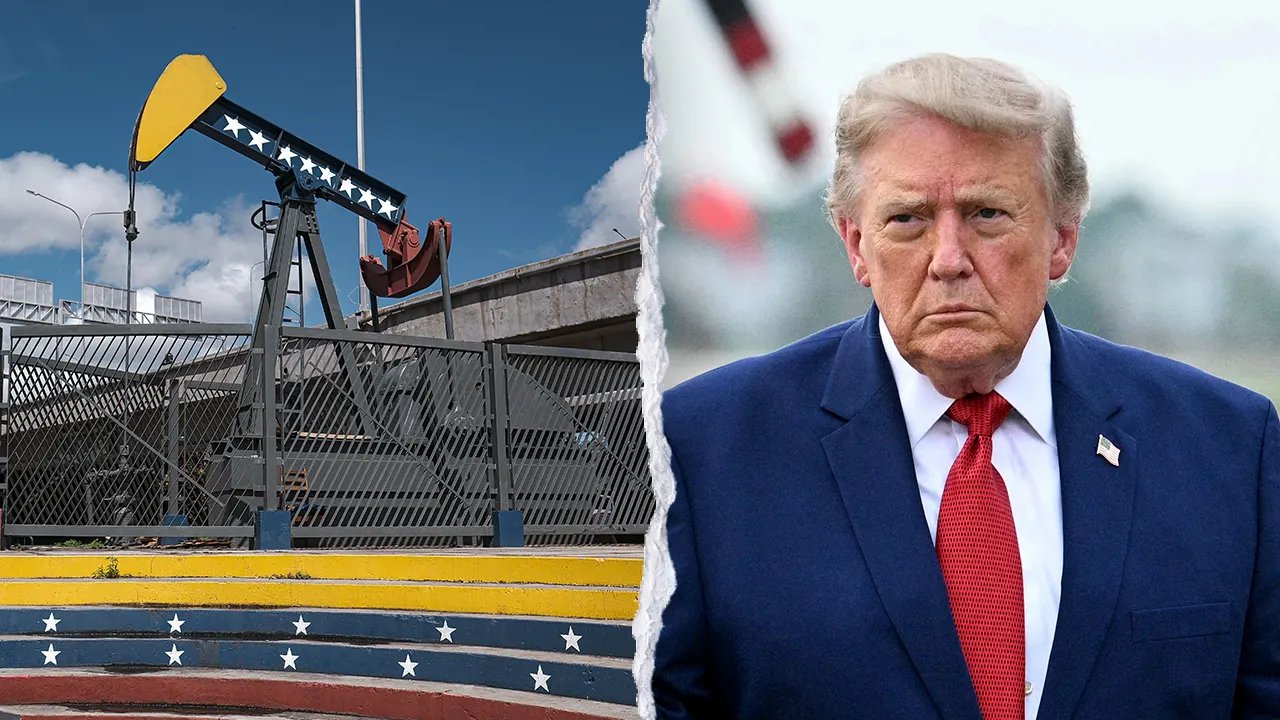
The Trump administration’s recently brokered, high-stakes energy agreement with Venezuela has shifted the spotlight onto the man at the center of the deal: Alejandro Betancourt López. As the CEO of North American Blue Energy Partners (NABEP), Venezuela’s second-largest private oil producer, Betancourt López has become a key intermediary in a partnership designed to secure American energy dominance and potentially drive down gasoline prices.
A High-Stakes Partnership
The deal, which aims to leverage Venezuela’s massive oil reserves, has been touted by the White House as a tool for economic recovery. Under the terms of the agreement, the United States secures the right to purchase 20% of the oil produced from NABEP-operated fields at the cost of production. Furthermore, the U.S. retains “first-dibs” rights on the remaining 80% of production, ensuring a strategic buffer during global energy emergencies.
The agreement includes a significant structural stake for the U.S. government. Without utilizing taxpayer funds, the Department of War’s Office of Strategic Capital has acquired a 35% ownership interest in NABEP’s parent company. The deal also grants the U.S. veto power over the firm’s board appointments, with a requirement that a majority of directors be U.S. citizens.
The Controversy Surrounding Betancourt López
While the administration views the partnership as a victory for American energy, the involvement of Betancourt López has drawn intense scrutiny. According to reporting from The Washington Post, the 46-year-old executive has been the subject of long-standing investigations by authorities in the United States, Switzerland, and Spain. These probes involve allegations related to a scheme that reportedly embezzled over $1 billion from PDVSA, Venezuela’s state-owned oil company.
Despite international interest in his business dealings, including an active arrest warrant in Switzerland, Betancourt López has never been criminally charged. Notably, the U.S. government has bypassed the Swiss warrant, repeatedly granting the businessman entry into the country to coordinate directly with the Trump administration on the implementation of the oil deal.
In response to the mounting questions surrounding his background, NABEP’s general counsel, Sara Chouraqui, issued a firm defense. “Mr. Betancourt has never been charged with a crime in any jurisdiction,” Chouraqui stated. “He is dedicated to serving the people of Venezuela by championing the country’s economic revitalization and, when helpful and appropriate, acting as an intermediary between its government and the United States.”
Economic Goals and Future Outlook
The deal arrives at a pivotal moment for both nations. Following the transition of power in Caracas earlier this year, Washington sought a pragmatic partner capable of rapidly scaling output. NABEP, which currently produces approximately 200,000 barrels per day, has signaled its intention to secure up to $5 billion in debt financing to reach a production capacity of 1 million barrels per day within five years.
For his part, Betancourt López remains focused on the commercial and geopolitical potential of the arrangement. “Venezuela is blessed with an abundance of natural resources, hardworking people and untapped potential,” he said in a recent statement. “This transaction will unleash that potential to the great benefit of both Venezuelans and Americans.”
As the administration moves forward with its joint Venezuela oil venture, the focus will remain on whether the partnership can truly deliver on President Trump’s promise to provide long-term energy relief for American consumers, or if the legal baggage of its key private-sector partner will continue to complicate the initiative’s public perception.