







The Unlikely Moral Compass: How Emraan Hashmi’s Anti-Heroes Resonated with a Generation
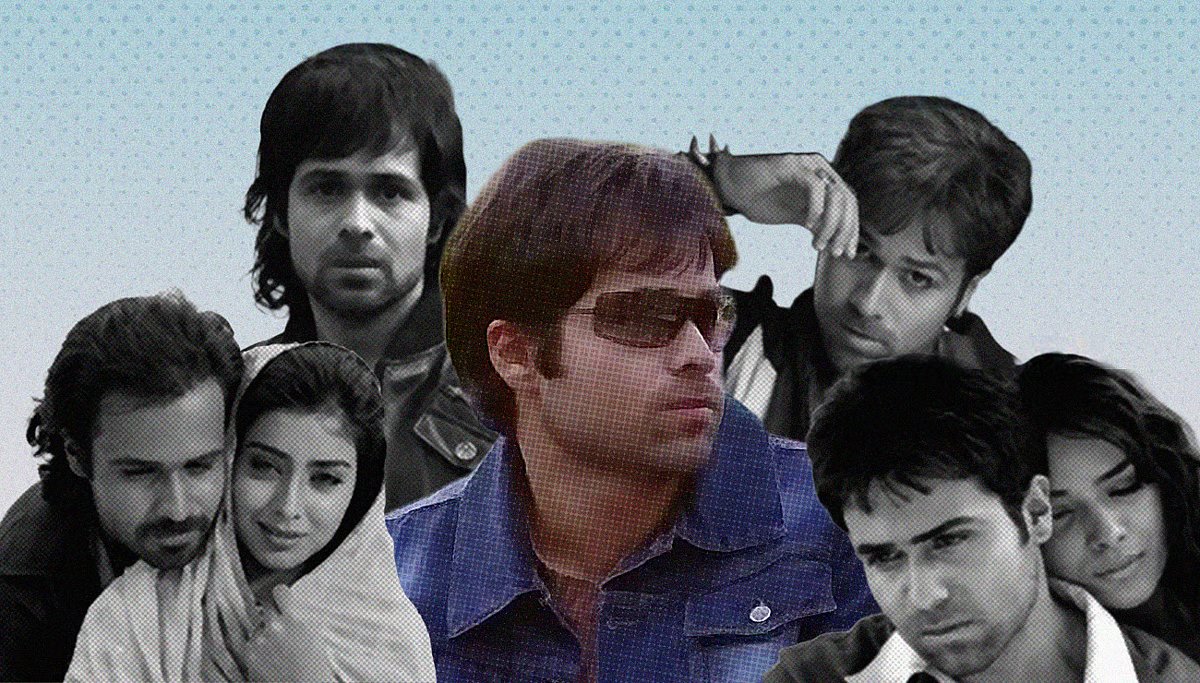
Mumbai, India – In the often-polarizing landscape of Hindi cinema, one actor has carved out a unique niche, portraying characters who are simultaneously morally compromised and surprisingly relatable. Emraan Hashmi, often dubbed "Bollywood’s serial kisser," is now being re-evaluated not just for his on-screen magnetism, but for the profound psychological depth of the men he brought to life. A recent analysis delves into the enduring appeal of these characters, suggesting that for many, Hashmi’s anti-heroes offered an unexpected avenue for navigating moral ambiguity and even a peculiar form of workplace justice.
Hashmi’s characters, according to the analysis, are defined by a profound sense of spiritual exhaustion. Haunted by guilt and regret, they embark on a relentless search for a higher power or, more realistically, simply a way to endure the night. Their path to redemption is rarely clean, often winding through the neon-lit underbelly of the city, populated by "seedy pimps, pornographers, and assorted creatures of the night." This "excellent grey area" allows for a Hindi film hero who has already acknowledged their flaws, seeking not forgiveness or rehabilitation, but a simple salvage of their souls.
Crucially, this portrayal resonated deeply with a pre-therapy generation, particularly men grappling with their own frustrations. The article humorously posits that for many, Emraan Hashmi became an unexpected outlet for unspoken rage. "Dudes be smoking and zoning out at Malad backroad, silently raging against their IT managers, while Hashmi killing a misogynistic psychopath becomes the closest they’ll ever get to workplace justice," the piece observes, highlighting the vicarious catharsis these narratives provided. Before widespread discussions of mental health, Hashmi’s troubled protagonists offered a reflection of internal turmoil that felt both seen and understood.
Part of Hashmi’s initial appeal, undeniably, stemmed from his on-screen charisma – his effortless ability to seduce women, often married, and engage with film stars. Yet, even amidst these morally questionable acts, his characters evoked empathy, leaving audiences feeling a complex mixture of disapproval and sympathy. This paradox, the analysis argues, points to the significant emotional heavy-lifting performed by the narratives of the early 2000s, particularly those from Vishesh Films Noir, which often explored darker themes and complex human emotions.
While acknowledging his problematic elements – his characters are far from "woke" and he is certainly not a "patron saint of feminism" – Hashmi’s heroes stand apart from other problematic figures in cinema. Unlike the "Vanga boys" (a likely reference to characters from controversial director Sandeep Reddy Vanga), Hashmi’s characters possess a crucial understanding: their wounds do not entitle them to anyone’s affection. This distinction, the article suggests, is what elevates them beyond mere villainy, offering a subtle yet significant moral compass within their flawed existence.
In an era increasingly scrutinizing on-screen representations, the re-evaluation of Emraan Hashmi’s filmography provides a fascinating glimpse into how audiences connected with complex characters who, despite their transgressions, offered a surprising reflection of unspoken anxieties and a peculiar, albeit dark, pathway to understanding the human condition.