






Imax’s Meteoric Rise: Why the Cinema Giant Remains a Tough Buy Despite Sale Speculation
It has been nearly nine months since Imax CEO Rich Gelfond signaled an openness to a potential sale, sparking intense speculation across the entertainment industry. Since that December announcement, however, the company’s trajectory has been anything but quiet: Imax has seen its stock soar to all-time highs and its global box office reach record-breaking levels.
Yet, as the media landscape experiences a wave of high-profile M&A activity—ranging from the $110 billion Paramount-Skydance merger to Fox’s acquisition of Roku—Imax remains conspicuously independent.
A Hot Streak in Premium Cinema
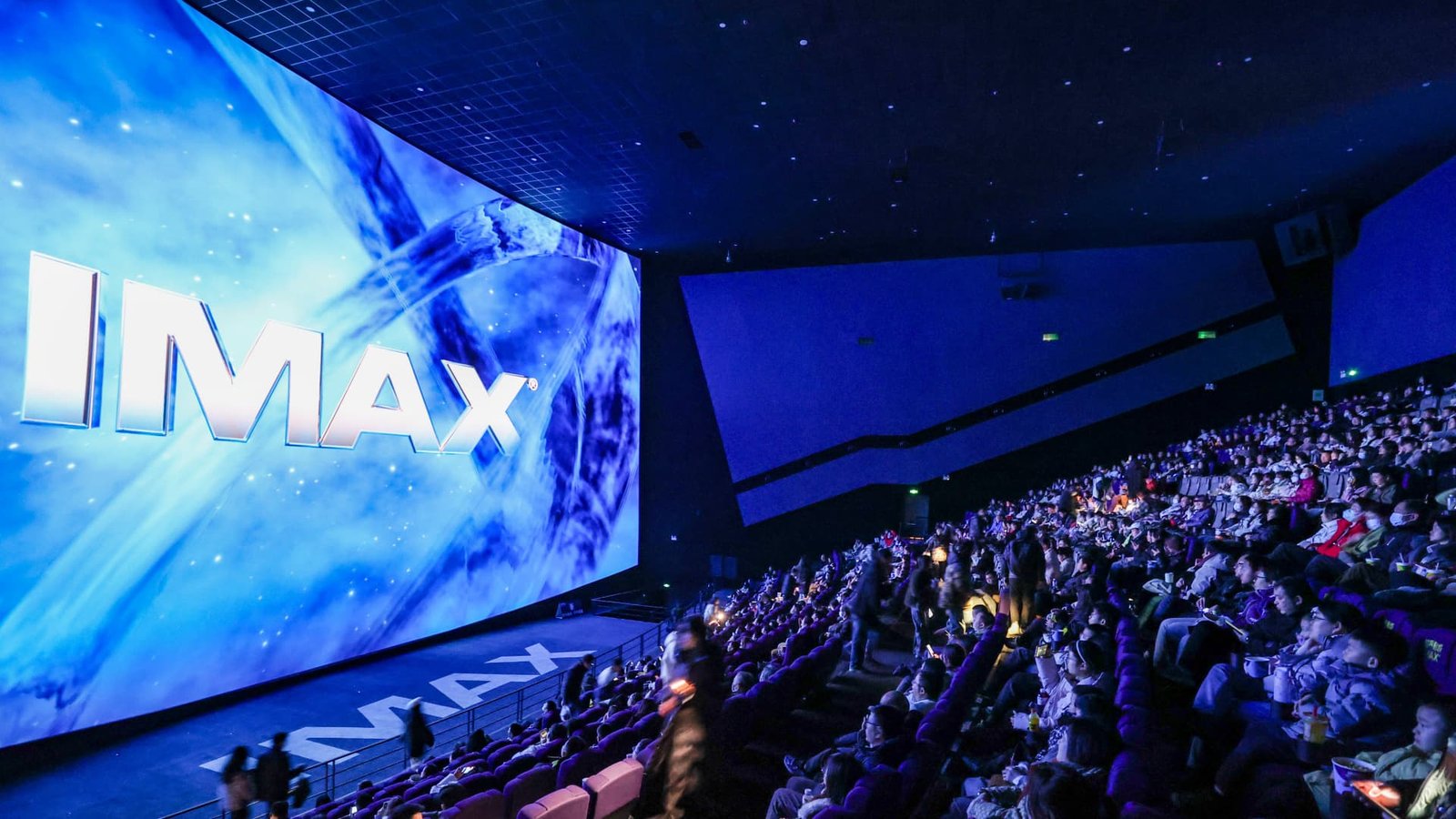
With a market capitalization approaching $3 billion, Imax has positioned itself as an increasingly attractive, albeit more expensive, target. The company has capitalized on the post-pandemic trend of moviegoers “trading up” for premium large-format experiences.
The strategy is paying off. The recent success of The Odyssey—which saw global Imax ticket sales surpass $400 million, accounting for nearly 30% of the film’s total revenue despite Imax screens making up less than 1% of total global inventory—has cemented the company’s influence. With anticipated hits like the December release of Dune: Part Three already selling out, analysts are forecasting that 2026 will be another record-setting year for the company.
“The brand value of Imax has never been higher,” said Eric Handler, managing director and senior research analyst at Roth. “They have done a masterful job of situating themselves at the center of the Hollywood ecosystem.”
The “Suite” Problem: Who Can Buy?
While Imax represents a relatively inexpensive asset for major media players, identifying a suitor is complex. Wall Street analysts point to an inherent conflict of interest for traditional Hollywood studios like Disney, Universal, or Warner Bros. Discovery.
“Imax is studio-agnostic, charging everyone the same rate,” explained Eric Wold, executive director of equity research at Texas Capital Securities. “If a studio acquired them, others would immediately feel they are second-in-line for the best release dates.”
Consequently, focus has shifted toward technology and streaming giants like Netflix, Apple, and Amazon. These firms possess the capital and, in some cases, the desire to bolster their theatrical distribution strategies. A private equity buyer remains another logical path, as such an investor could bypass the competitive sensitivities of the studio system while capitalizing on Imax’s strong cash flow and momentum.
Standing Alone and Thriving
Despite the potential interest, Imax’s own success may be the greatest barrier to a deal. Since Gelfond first floated the possibility of a sale, the company’s share price has surged nearly 80%, recently hitting $54.79.
“It’s a lot more expensive than it has been for a long time,” noted Alicia Reese, senior vice president of equity research at Wedbush. “There is a large probability that it will continue to gain global share, and the growth isn’t likely to reverse.”
Because Imax is not actively seeking a buyer—but rather quietly entertaining offers—leadership remains in a position of strength. With a robust pipeline of “filmed for Imax” content planned through 2028 and a steady expansion of its theater footprint, the company is under no pressure to exit.
For now, Imax appears content to operate on its own terms. As Reese summarized, “Imax is perfectly fine as a standalone company. They aren’t desperate in any way, shape, or form.”