







Trump Declares US Sovereignty Over Strait of Hormuz Amidst Shifting Maritime Control
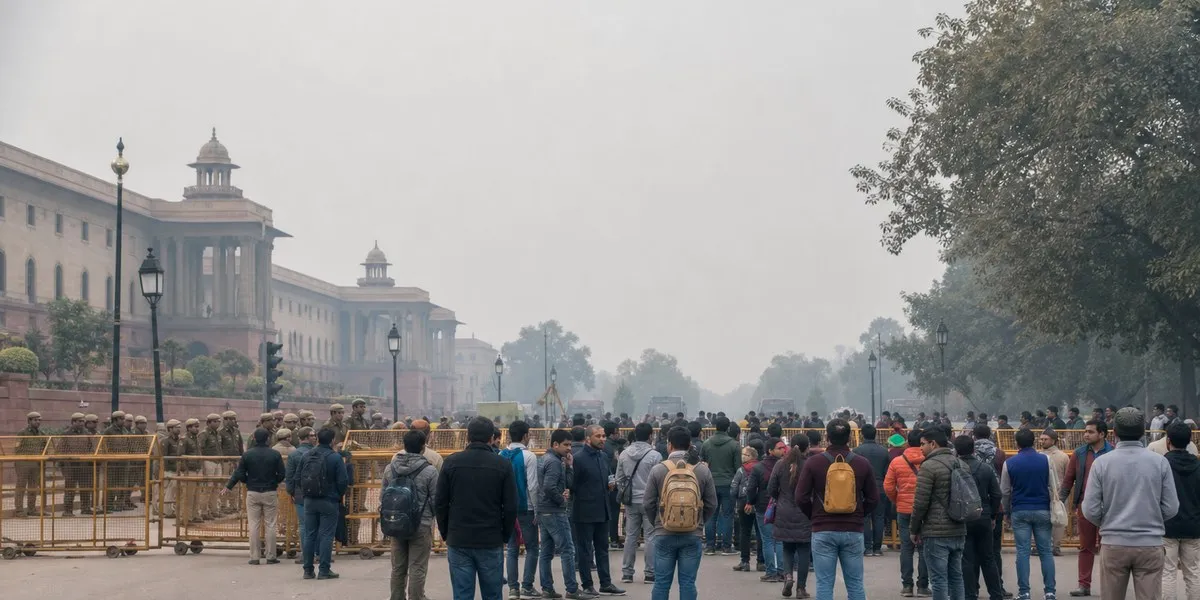
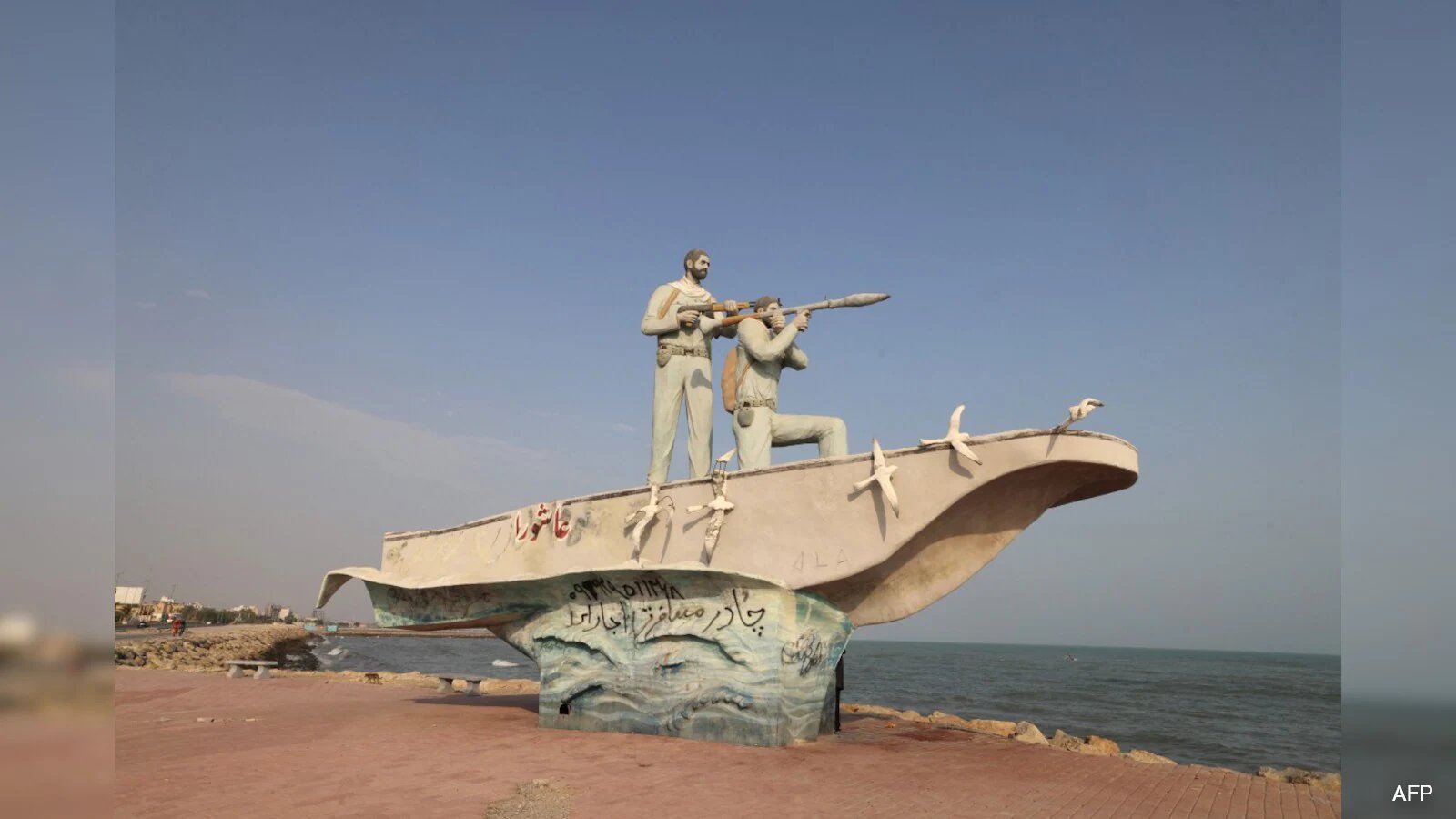
Washington D.C. – In a bold and unprecedented move, US President Donald Trump has declared the Strait of Hormuz a new American territory, asserting sovereignty over the critical chokepoint historically under Iranian control. This declaration comes amidst an ongoing six-month conflict with Iran, with Trump claiming the successful removal of all Iranian-planted water mines, significantly reducing maritime risks in the region.
Taking to his Truth Social network, President Trump stated, "There are no talks or conversations going on, or scheduled, with the Islamic Republic of Iran. The Naval Blockade remains in full force and effect. The Hormuz Strait is open and operating. All water mines have been removed or detonated."
While Trump has previously asserted dominance over the vital energy passage, this latest pronouncement carries more weight, as evidence suggests Iran’s diminishing grip on the waterway. Citing maritime data, CNN reports a substantial shift in control, with the United States’ naval blockade strengthening its hold.
Iran’s Eroding Influence in Hormuz
The Strait of Hormuz is a crucial artery for global trade, through which nearly one-fifth of the world’s crude oil and natural gas transits during peacetime. Data from the maritime vessel-tracking platform MarineTraffic reveals that 95 vessels passed through Hormuz last week, with 118 in the preceding week. Crucially, approximately 80% of these vessels utilized the Omani route, a United Nations-authorised shipping channel vehemently opposed by Iran, according to Kpler, a firm specializing in global shipping analytics.
Iran, which maintains that the strait remains under its control, has reportedly attacked several ships attempting to bypass its preferred route by sailing via the north coast of Oman. However, despite these risks, a growing number of vessels are choosing to disregard Iran’s demands, opting to cross the waterway under the implied protection of the United States.
"It increasingly looks like Iran has at least partially lost control of the strait," CNN quoted Homayoun Falakshahi, head of crude oil analysis at Kpler, as saying.
The Rise of the Omani Route and Diverted Revenue
This new pattern of traffic in Hormuz represents a stark contrast to just a month ago, when Kpler reported virtually no shipping activity via the Omani route. The recent expiration of a Memorandum of Understanding between the United States and Iran had initially opened a window for Tehran to levy tolls on passing ships, mirroring practices seen in the spring. However, the diversion of traffic has effectively thwarted Iran’s ability to collect these transit fees.
"Iran’s request to collect tolls is something that most Middle East folks don’t want to do and haven’t been doing. So the Oman route absolutely makes the most sense," explained Dan Pickering, founder and chief investment officer at Pickering Energy Partners, in an interview with CNN.
The Phenomenon of "Dark Shipping"
Further complicating the maritime landscape is the emergence of "dark shipping." Oil-producing Gulf nations like Saudi Arabia, Kuwait, and the United Arab Emirates are chartering Very Large Crude Oil Carriers (VLCCs) to transport oil out of the Persian Gulf via Hormuz. These VLCCs then transfer their cargo to customer tankers outside the designated "danger zone" in the Gulf of Oman, according to Andy Lipow, president of Lipow Oil Associates.
To evade potential Iranian attacks, these VLCCs are reportedly operating with their transponders switched off, often for weeks at a time. This "dark traffic," which frequently eludes even sophisticated data-tracking services like Kpler, contributes to the overall increase in maritime activity in Hormuz.
The United States, meticulously monitoring all vessels traversing the strait, has reported significantly higher oil shipping numbers than traditional estimates previously suggested. Last week, Energy Secretary Chris Wright announced that combined oil transits through the strait and rerouted around the waterway amounted to approximately 15 million barrels per day over the course of a week. This figure is notably closer to the 20-million-barrel average observed before the outbreak of the conflict, indicating a determined effort to maintain global energy supply lines despite regional tensions.