


Industrial Animal Agriculture: A Global Environmental Crisis and Calls for Systemic Change
Industrial animal agriculture stands as a formidable contributor to an array of pressing global environmental crises, encompassing climate change, rampant deforestation, critical biodiversity loss, and widespread pollution. While the necessity of food production is undeniable, the prevailing industrial livestock model demands colossal allocations of land, water, energy, and feed to yield meat, dairy, and eggs. These intensive practices are direct drivers of greenhouse gas emissions, ecosystem degradation, water contamination, and pose significant threats to public health.
Organizations like Friends of the Earth are actively engaged in transforming our food system. Their efforts focus on combating factory farming, championing sustainable agricultural practices, and advocating for policies designed to safeguard people, animals, and the planet.
The Far-Reaching Environmental Impact of Industrial Animal Agriculture
The environmental ramifications of industrial animal agriculture extend significantly beyond the farm gate. Each phase of production—from the cultivation of feed crops and the rearing of livestock to animal transport, meat processing, and the critical management of manure—generates pollution and depletes natural resources.
The most pronounced environmental impacts include:
- Climate-altering greenhouse gas emissions
- Deforestation and the irreparable destruction of wildlife habitats
- Excessive land utilization
- Significant water consumption and freshwater depletion
- Water pollution stemming from manure and fertilizer runoff
- Air pollution
- Soil degradation
- Ocean dead zones, a direct consequence of nutrient pollution
Collectively, these impacts position industrial animal agriculture as one of the preeminent contributors to global environmental degradation.
1. Animal Agriculture Accelerates Climate Change
Greenhouse gas emissions are generated throughout the entire food supply chain of animal agriculture, arising from several key sources:
- Methane released by cattle and other ruminant animals during digestion
- Methane and nitrous oxide emanating from manure storage
- Carbon dioxide from the production, processing, refrigeration, and transportation of meat
- Fertilizers employed to cultivate feed crops such as corn and soy
Methane warrants particular attention due to its potent, albeit short-lived, heat-trapping capacity compared to carbon dioxide. Consequently, reducing methane emissions represents one of the most expeditious pathways to mitigating global warming. Industrial livestock production is also heavily reliant on fossil fuels for fertilizer production, farm machinery, feed transportation, refrigeration, and meat processing.
2. Animal Agriculture Drives Deforestation
Globally, forests are being cleared at an alarming rate to create space for cattle grazing and to cultivate feed crops for livestock. This deforestation leads to a cascade of negative consequences:
- Wildlife loses vital habitat.
- Carbon sequestered in trees is released into the atmosphere.
- Rainfall patterns are altered.
- Ecosystems become less resilient to climate change.
Protecting forests is recognized as one of the most effective climate solutions, making the continued expansion of industrial livestock production a deeply concerning trend.
3. Livestock Production Uses Vast Amounts of Land
Animal agriculture is among the most land-intensive forms of food production. Substantial agricultural areas are dedicated not to growing food directly for human consumption, but rather to cultivating feed for livestock. This practice engenders several environmental challenges:
- Expansion into forests and grasslands
- Accelerated soil erosion
- Widespread habitat destruction
- Reduced carbon storage capacity
- Increased demand for fertilizers and pesticides
Comparatively, producing plant-based foods generally requires significantly less land than the production of meat and dairy.
4. Animal Agriculture Pollutes Water
Industrial livestock operations generate immense quantities of manure. When this manure is not managed appropriately, nutrients like nitrogen and phosphorus can leach into nearby waterways, leading to severe pollution that contributes to:
- Harmful algal blooms
- Mass fish kills
- Contamination of drinking water sources
- Formation of dead zones in lakes and coastal waters
- Increased water treatment costs
Furthermore, feed crop production is a significant source of fertilizer runoff, exacerbating water pollution.
5. Factory Farms Pollute the Air
Many may not realize that industrial animal agriculture is a major contributor to air pollution. Large livestock operations release a variety of harmful airborne compounds:
- Ammonia
- Methane
- Hydrogen sulfide
- Dust and particulate matter
- Odor-causing compounds
These pollutants adversely affect nearby communities, farmworkers, and rural residents, in addition to contributing to climate change.
6. Animal Agriculture Consumes Large Amounts of Freshwater
The production of meat and dairy necessitates substantial water throughout its entire process. Water is required for:
- Growing feed crops or watering pasture
- Providing drinking water for livestock
- Cleaning facilities
- Meat processing
As droughts become increasingly prevalent, improving water efficiency within our food system is paramount.
The Exacerbated Harms of Factory Farming
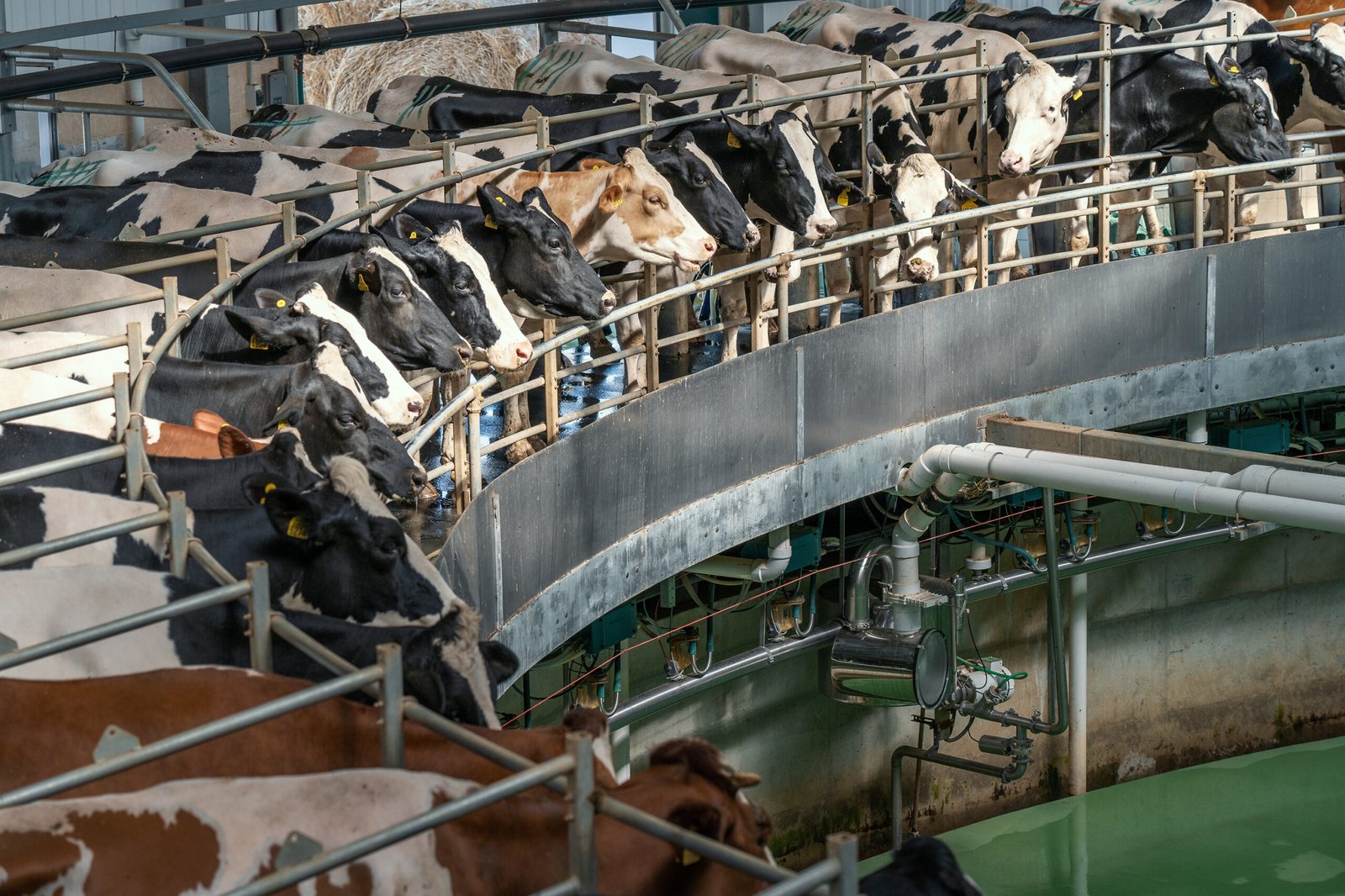
Factory farms, also known as Concentrated Animal Feeding Operations (CAFOs), intensify many of the environmental impacts associated with animal agriculture by concentrating thousands, or even millions, of animals in a single location. Compared to pasture-based, diversified farms, factory farms typically produce:
- Larger manure lagoons
- Greater methane emissions
- Higher ammonia pollution
- Increased water contamination
- More frequent odor complaints
- Greater public health concerns for neighboring communities
Friends of the Earth advocates for policies that facilitate a shift away from factory farming while simultaneously supporting farmers in their transition towards more sustainable agricultural practices.
Solutions: Cultivating a Better Food System
Addressing the extensive environmental impacts of animal agriculture necessitates systemic changes across our entire food system. Friends of the Earth champions a range of solutions, including:
- Reducing pollution originating from factory farms
- Supporting farmers and ranchers who implement organic and regenerative practices
- Protecting critical forests and natural ecosystems
- Curbing incentives for manure biogas
- Eliminating subsidies that benefit factory farms
- Phasing out factory farming and assisting farmers in transitioning to more sustainable models
- Reducing food waste at all stages
- Expanding access to healthy, plant-forward foods
- Holding industrial polluters accountable for their environmental damage
Together, these comprehensive solutions have the potential to significantly reduce greenhouse gas emissions, safeguard biodiversity, enhance water quality, and ultimately build a more resilient and sustainable food system for all.