






Transforming Your Garden Into a Year-Round Sanctuary
Creating a space that feels like a personal retreat is one of the most rewarding parts of home ownership, but imagine if your backyard could also serve as a bustling hub for nature. While many of us focus on keeping our garden pristine during the warmer months, the true test of a well-planned landscape is how it holds up when the frost sets in. If you want to keep your outdoor area full of life throughout the winter, it is time to think about what you are planting.
One of the most effective ways to boost your garden’s biodiversity is by choosing plants that work hard for you and the local wildlife. The Royal Horticultural Society recently highlighted a standout choice for anyone looking to bridge the gap between summer blooms and winter sustenance: the guelder rose. This shrub is a brilliant addition to any yard, offering a touch of natural beauty while acting as a reliable lifeline for visiting birds.
The Allure of the Guelder Rose
The guelder rose, or Viburnum opulus, is much more than a standard shrub. It is a native powerhouse that brings structure and color to your garden beds. During the spring and summer, you are treated to delicate, lacecap-like white flowers that act as a beacon for pollinators. Bees and hoverflies love these blooms, turning your garden into a humming, productive environment.
As the seasons shift, the plant undergoes a transformation. The foliage takes on a deep, autumnal red hue, adding depth to your landscape. However, the real magic happens as the temperature drops. The flowers give way to bright, translucent red berries that serve as a natural buffet for the neighborhood wildlife. While your lawn might look a bit dormant during the colder months, the guelder rose ensures that your garden remains a center of activity for hungry visitors.
Feeding the Local Wildlife
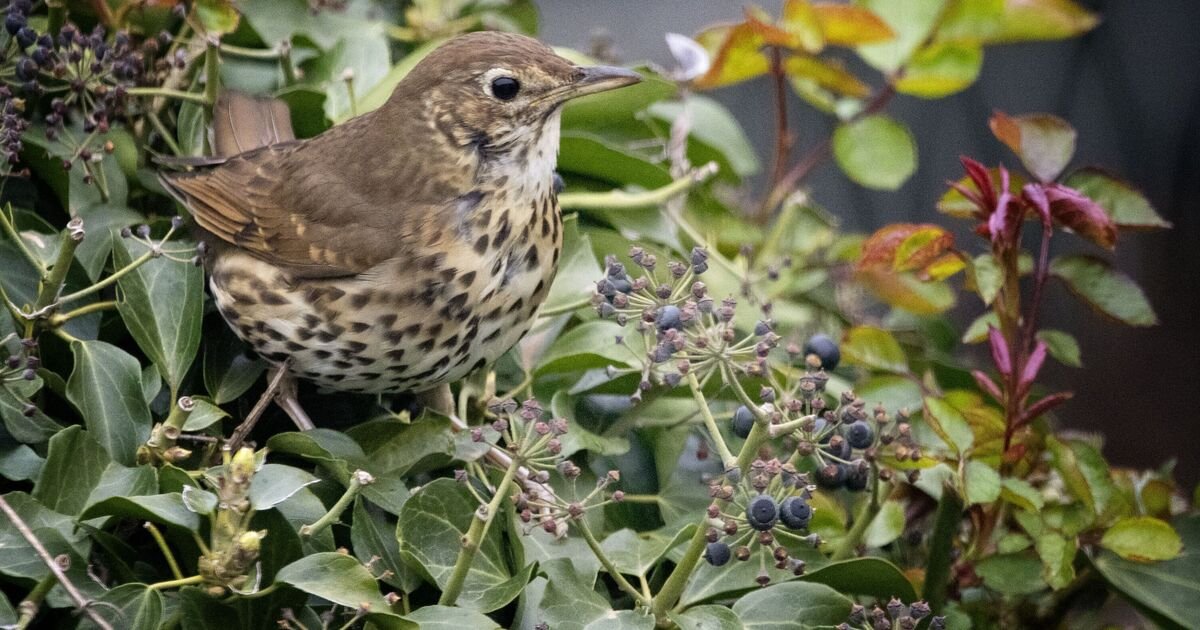
There is a unique joy in watching a blackbird or a thrush swoop into your garden for a meal. By incorporating shrubs like the guelder rose, you are providing a necessary resource for feathered friends like redwings and fieldfares, who rely on these berry crops when other food sources become scarce. It is a simple, hands-off way to support local ecology without needing to constantly replenish plastic bird feeders.
Beyond the birds, this plant supports a variety of insects, including the striking Privet Hawk-moth caterpillar. Having a healthy population of insects and birds creates a self-sustaining cycle in your garden. It helps manage pests naturally and ensures that your outdoor space feels alive rather than static, even on the grayest January morning.
Curating a Diverse Plant Palette
If you want to take your garden to the next level, diversity is key. Relying on a single type of plant can limit the variety of wildlife you see. To keep things interesting, consider mixing your guelder roses with other beneficial species. The RSPB suggests a long list of reliable plants that cater to different needs, from nectar-seeking bees to seed-loving birds.
Think about incorporating perennials like Coneflowers or Teasels for structural interest and seed heads. Herbs like Fennel and Lavender are not just great for your kitchen or home fragrance; they are magnets for beneficial insects. By layering your garden with a mix of shrubs, flowers, and ground cover, you create different tiers of shelter. This approach mimics a natural habitat, offering birds safe places to perch and forage while ensuring you have flowers to admire throughout the year.
Simple Steps for Long-Term Success
You do not need a background in botany to make these changes. Start by looking at your current layout and identifying spots where a hedge or a bush could add privacy while serving as a wildlife corridor. Many of these plants are low-maintenance once they are established, requiring little more than occasional pruning and water during a dry spell.
When you select your plants, keep the local climate in mind. Native species are almost always the smartest pick because they are already adapted to your soil and rainfall patterns. Not only will they be easier to care for, but they are also more likely to attract local bird species that are already active in your area. By shifting your focus toward a garden that provides food and shelter, you are not just growing plants; you are cultivating a healthier, more vibrant environment right outside your back door. It is a small commitment with a massive payoff, ensuring that every time you look out your window, you are greeted by the beauty of the natural world.
Disclaimer: This content is auto-generated for informational purposes only.
Source: Read Original News