




Indian Railways Accelerates Hydrogen Ambitions: Plans for 35 Trains Amid Focus on Green Fuel Cost Reduction
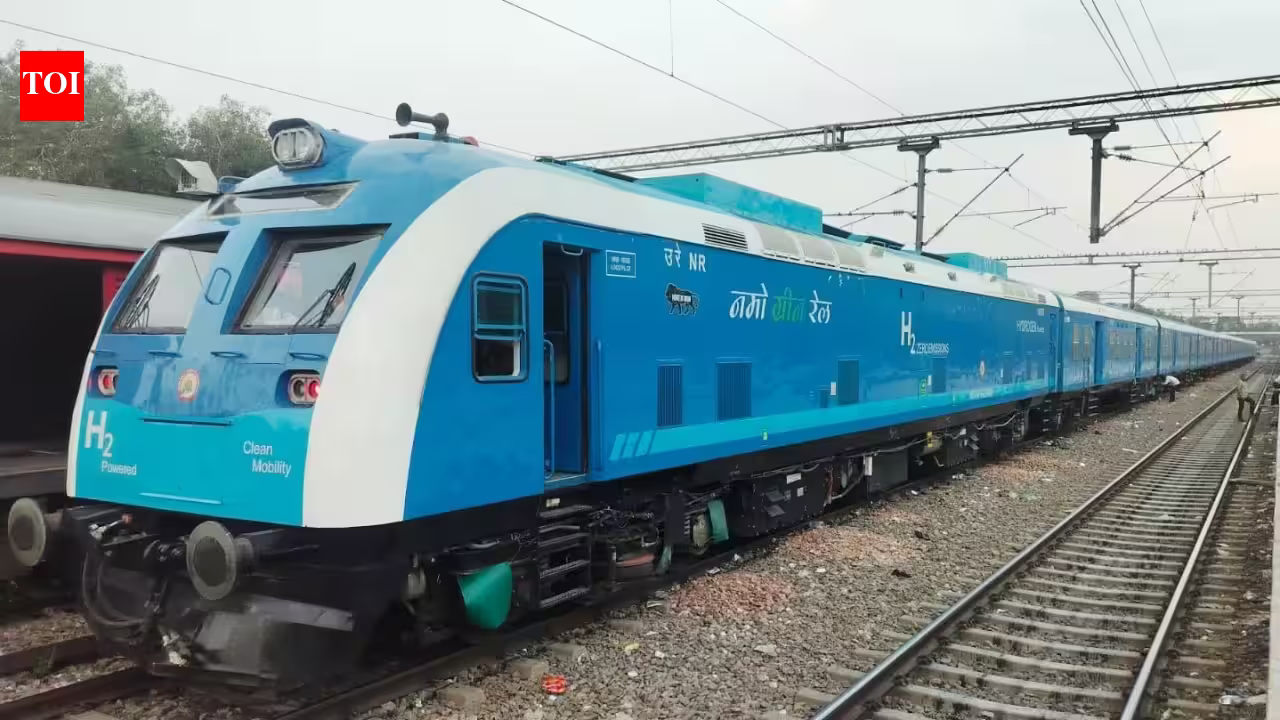
Following the successful launch of India’s inaugural hydrogen-powered train last month, Indian Railways is now shifting its focus toward long-term sustainability by aggressively pursuing strategies to lower the procurement costs of green hydrogen. With an eye on expanding its fleet, the national carrier is exploring new measures—including off-take assurances—to incentivize manufacturers and cultivate a robust, affordable supply chain for green fuel.
A Pioneering Fleet Expansion
The initiative is part of a broader vision to deploy 35 hydrogen-powered trains across the country’s heritage routes. These routes often traverse ecologically sensitive or hilly terrains where traditional overhead railway electrification remains technically challenging or environmentally invasive.
The program is already gaining momentum; official reports confirm that by early August, the hydrogen-powered units had successfully completed over 2,500 kilometers of commercial operation since their mid-July debut.
Bridging the Price Gap
"Green hydrogen supply costs need to come down to ensure wider adoption of hydrogen trains," a senior railway official noted, emphasizing that the government is evaluating multiple pathways to achieve economic viability.
The strategy aligns with the National Green Hydrogen Mission, a massive initiative backed by a financial outlay of ₹17,490 crore through 2030. By fostering domestic electrolyzer manufacturing and incentivizing production, India aims to establish an annual production capacity of 5 million metric tonnes (MMT) by 2030.
Market indicators suggest this goal is within reach. In February, India recorded a milestone when a tender for the Numaligarh Refinery in Assam discovered a record-low green hydrogen price of ₹279 per kilogram. Former Niti Aayog CEO Amitabh Kant has lauded this progress, noting that as renewable energy costs plummet, reaching a price point of $2 per kilogram is "not a distant dream anymore."
World-Class Technology
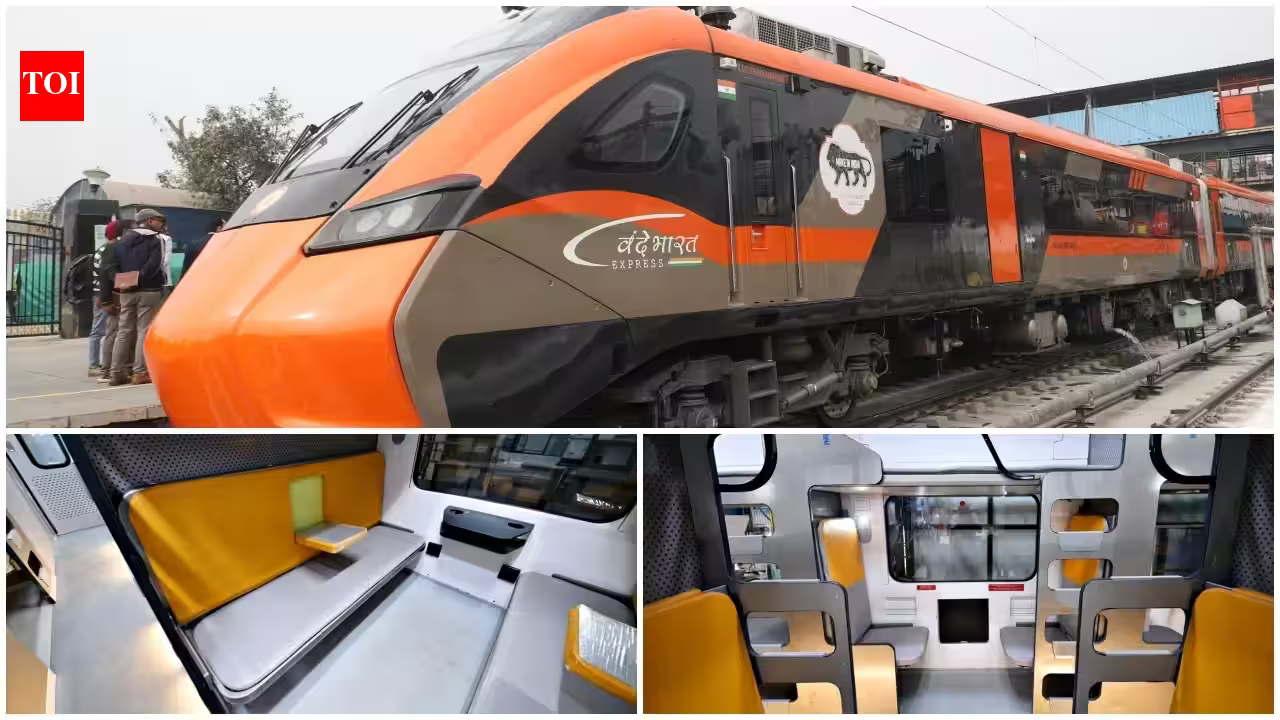
India’s current hydrogen train is a testament to the nation’s engineering prowess. Featuring a 3,200 HP propulsion system and a 10-coach configuration, it stands as the world’s most powerful hydrogen train currently in operation.
The technology functions through Proton Exchange Membrane (PEM) fuel cells, which combine hydrogen stored in onboard cylinders with atmospheric oxygen. This chemical reaction generates electricity to power the traction motors, resulting in zero combustion, zero smoke, and no direct carbon emissions—the only byproduct is harmless water vapor.
While countries like Germany and China have previously ventured into hydrogen-powered rail transit, India’s project distinguishes itself with its scale and power. By utilizing two driving power cars capable of generating 1,200 kW each, supported by advanced lithium iron phosphate batteries, Indian Railways is positioning itself as a global leader in clean rail transport, proving that heavy-duty, emission-free travel is a viable future for the nation’s vast rail network.