









The Future of Physical Media: How Xbox is Charting a Different Path than PlayStation
As the gaming industry approaches the next generation of hardware, the horizon is dominated by “Project Helix”—the internal codename for Microsoft’s upcoming Xbox console. However, as the device takes shape, significant questions remain regarding how it will address the rapidly shifting landscape of media consumption.
For Microsoft, the previous cycle has been a period of intense soul-searching. Industry analysts note that past attempts to aggressively disrupt the gaming market often resulted in self-inflicted wounds, straining the Xbox ecosystem and alienating third-party developers. Combined with a diminished hardware footprint and a lack of high-profile exclusives, the brand’s relevancy has faced stiff competition, further complicated by a global “RAMpocalypse”—a semiconductor crisis that has caused consumer electronics prices to soar as AI development consumes the world’s memory supply.
A Strategic Pivot Under New Leadership
Stepping into this climate is new CEO Asha Sharma, who has been tasked with revitalizing Xbox’s fortunes. Her strategy appears rooted in a “back to basics” approach: doubling down on high-quality exclusive software—such as the highly anticipated Gears of War: E-Day—and prioritizing features that players have been vocally requesting.
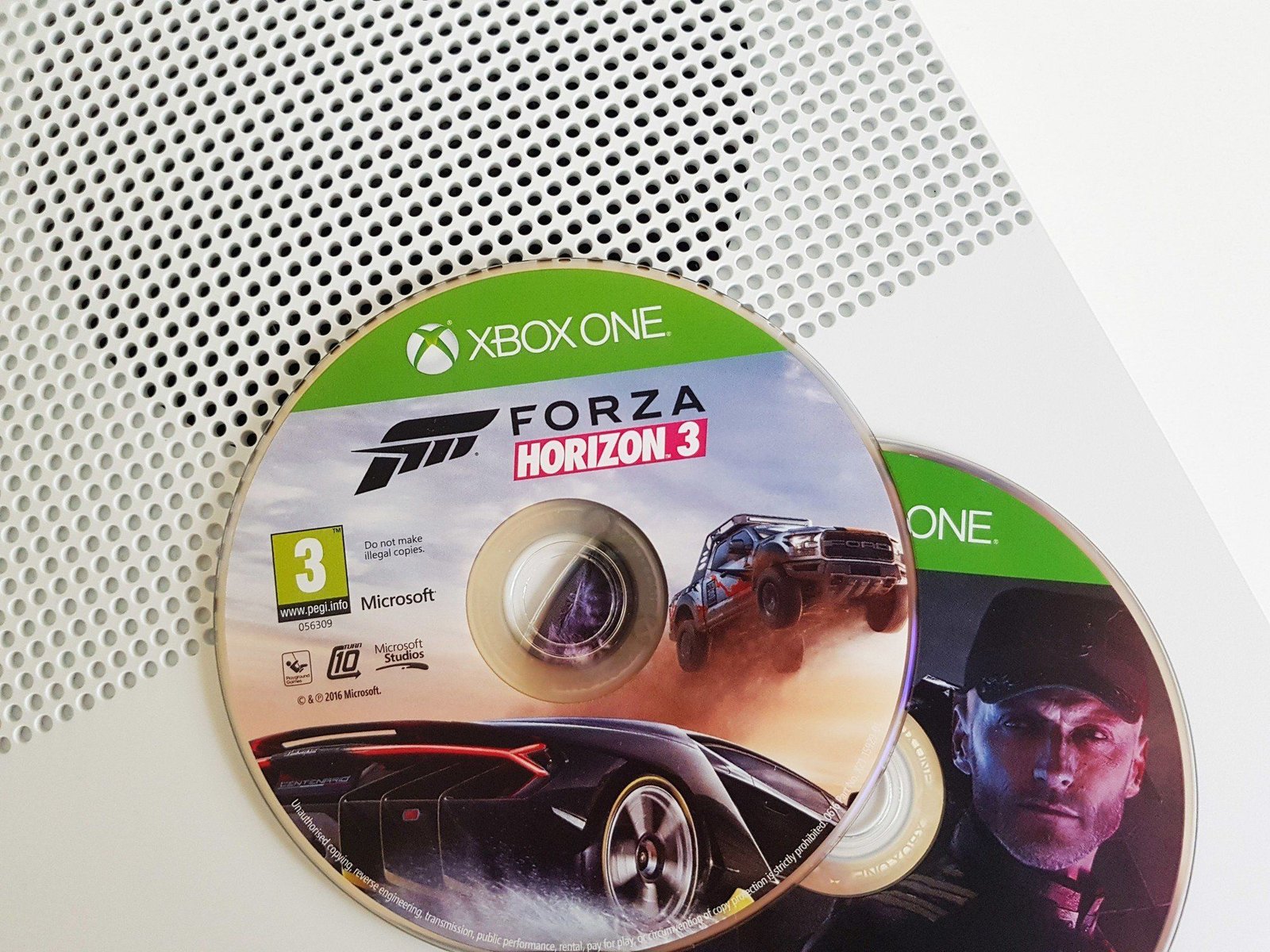
Perhaps the most critical differentiator between Microsoft and its main rival, Sony, is their stance on physical media. While PlayStation has signaled a gradual phase-out of disc-based gaming, with a total transition to digital-only platforms expected by 2028, Microsoft has chosen to act as a steward for those who still value their disc collections.
In a recent move, Xbox confirmed that it is launching a program to grant digital entitlements to owners of physical discs, bridging the gap between legacy media and the modern digital ecosystem.
The CEO’s Stance on Consumer Choice
In a conversation with the BBC, Asha Sharma acknowledged the industry-wide friction caused by Sony’s shift toward an all-digital future.
“I know players love physical media, and I know there’s a lot of benefits in digital media, and I want to make sure people have a choice,” Sharma said. “We’re announcing the ability for players to have a digital entitlement for 1,000 titles with physical discs. We’ve long pioneered backwards compatibility, and you’ll continue to see that as we go forward. This next generation, we have to be thinking about efficiency and affordability alongside performance.”
The Industrial Reality: A Supply Chain Crisis
Beyond consumer preference, there is a looming industrial reality: the collapse of the optical disc drive supply chain. As laptops and standalone media players move away from discs, manufacturers are pivoting toward more scalable industries, such as high-end camera lens production. Currently, the entire global demand for optical disc drives rests almost exclusively on the shoulders of the Xbox Series X and the PlayStation 5.
This transition highlights a growing irony. While digital-only gaming offers convenience, it strips consumers of the absolute ownership that a physical disc provides—especially as headlines increasingly focus on the risk of companies remotely revoking digital licenses.
The Path to ‘Project Helix’
As Microsoft prepares for the next generation, the challenge lies in balancing the shrinking manufacturing viability of optical drives with the vocal consumer demand for preservation. With the industry moving toward digital-only platforms that lack the robust family-sharing features of Steam or the resale value of physical media, the next Xbox will need to tread carefully.
Whether “Project Helix” will serve as a final bastion for physical media or simply the next step in an inevitable digital transition remains to be seen. However, by positioning itself as the champion of “choice” in a market trending toward restricted access, Microsoft may be building a critical competitive advantage for the years to come.