









Over 1.3 Million Plastic Bottles Recovered in Record-Breaking Global Beach Cleanup
The world’s largest single-day volunteer event has unveiled staggering data on the state of our oceans, highlighting the persistent dominance of single-use plastics in marine environments.
In a monumental effort to combat the growing crisis of oceanic pollution, approximately 630,000 volunteers descended upon beaches, rivers, and waterways in 2025 for the annual International Coastal Cleanup. Organized by the NGO Ocean Conservancy, the initiative resulted in the removal of nearly 13.9 million pieces of debris from over 15,000 miles of coastline, marking a significant milestone in global conservation efforts.
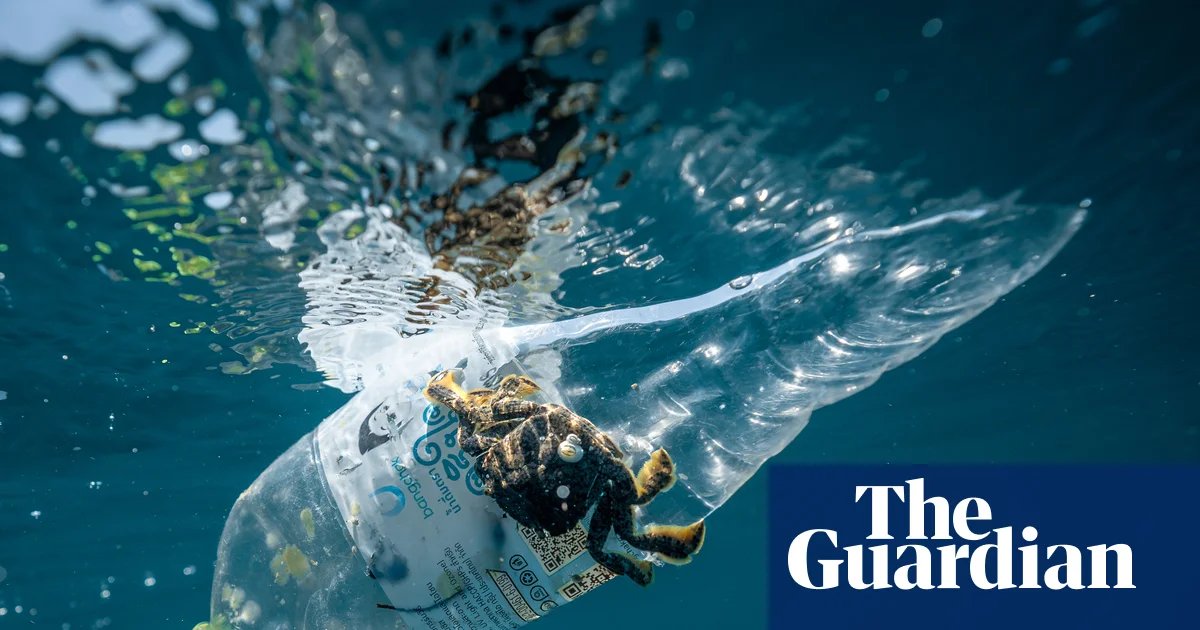
Among the massive haul of trash, plastic bottles emerged as the most frequently recorded item, with more than 1.3 million collected. The data also painted a grim picture of consumer waste habits: volunteers recovered 1.2 million cigarette butts, 885,000 plastic bottle caps, and over 1.5 million plastic shopping bags and food containers.
A Failure of Policy and Infrastructure
Dr. Anja Brandon, director of plastics policy at Ocean Conservancy, argued that the findings represent an avoidable catastrophe. “There’s really no excuse for this—plastic bottles are among the most recyclable items out there,” she said. “This tells us two important truths: one is that we are making too much plastic, and two is that a lot of our waste isn’t getting where it needs to go.”
Dr. Brandon emphasized that technological solutions, such as expanded recycling access, deposit return schemes, and a shift toward reuse and refill infrastructure, are essential to stemming the tide of plastic bottles entering the ecosystem.
The findings come despite a global wave of legislative efforts aimed at curbing single-use plastics. In the UK, for instance, consumers go through an estimated 13 billion plastic drinks bottles annually, yet only half are recycled. While a deposit return scheme—similar to successful models in Germany and Sweden—is slated to arrive in the UK by 2027, environmentalists argue that such measures are long overdue.
More Than Just an Aesthetic Issue
Beyond the visual blight on pristine shores, the proliferation of plastic waste is proving fatal for marine life. Allison Schutes, senior director of conservation cleanups at Ocean Conservancy, pointed to recent studies detailing the “deadliness” of plastic.
“In a recent study, we found an albatross that had been killed by ingesting an entire plastic bottle,” Schutes said. “When these items enter the water, it’s not just an aesthetic concern for local beaches; it is a real concern for ocean wildlife. These are items that we’re using for only minutes, and there are good, sustainable replacements available.”
Four Decades of Data
The International Coastal Cleanup has evolved significantly since its inception 40 years ago, when 2,800 volunteers first gathered on the Texas Gulf coast. Over the last four decades, nearly 20 million people across 166 countries have removed over 184,000 tonnes of debris.
This vast dataset has become an invaluable tool for researchers, cited in nearly 300 peer-reviewed studies. These records provide a crucial “report card” for government policies. For example, a 2025 study revealed that targeted interventions—such as plastic bag bans and levies—have successfully reduced the prevalence of plastic bags in coastal litter by up to 47%.
As the world continues to grapple with the fallout of convenience culture, Ocean Conservancy remains focused on the primary objective: moving beyond cleanup efforts toward systemic change in how the world produces and disposes of plastic.