








Endemic Age Fraud: The Silent Crisis Plaguing Indian Sports
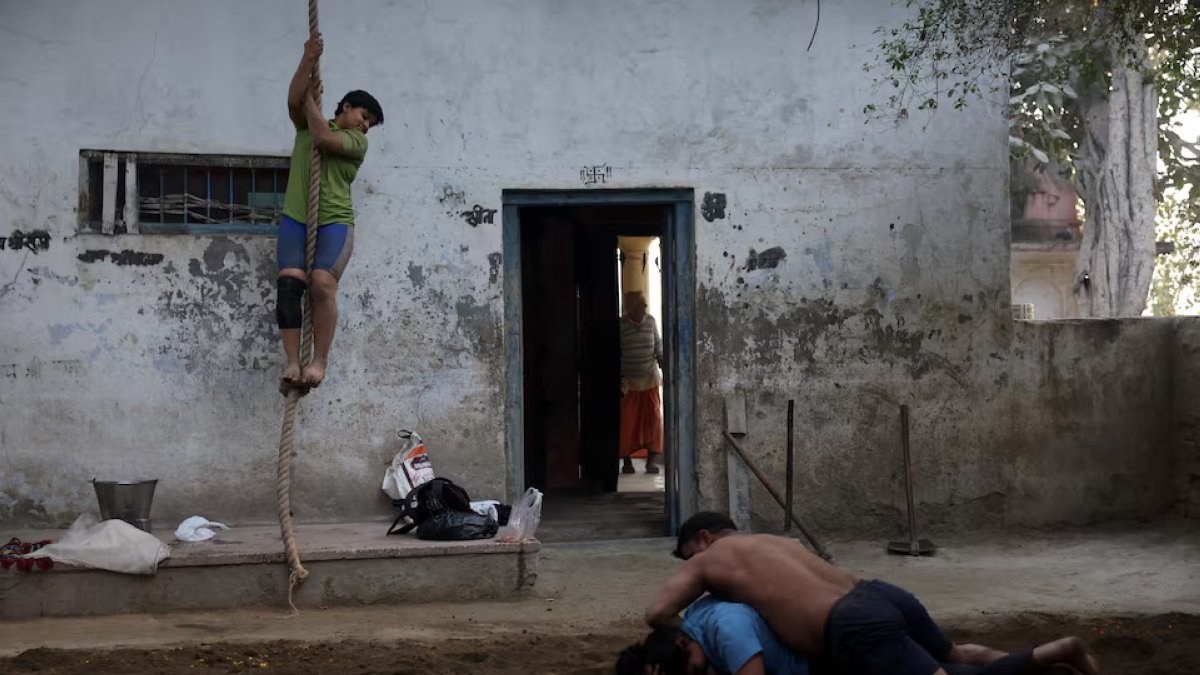
The integrity of Indian athletics is facing a reckoning following a massive scandal at the national under-17 wrestling championships in Gonda, where at least 500 competitors were disqualified for age fraud. The incident, which took place in June, has reignited a fierce debate over a systemic rot that experts argue is as damaging to the sporting ecosystem as the scourge of doping.
This mass disqualification is merely the tip of the iceberg. Less than a year prior, approximately 20 teams were expelled from the Subroto Cup—India’s premier school football tournament—for fielding overage players. According to experts, this behavior is “endemic” across the country.
“Age fraud runs across most disciplines that have age-group competitions,” says Aahna Mehrotra, a prominent sports lawyer who has extensively researched the issue. “It is at its worst at the sub-junior and junior levels, where the rewards are highest and the scrutiny is lowest.”
The High Stakes of Deception
In India’s hyper-competitive sporting landscape, the incentive to shave a few years off an athlete’s documentation is high. An older, physically more developed teenager competing against younger peers gains a significant, unfair advantage. This manipulation can serve as a shortcut to scholarships, lucrative sponsorships, and national fame. In the context of cricket, the country’s most popular sport, age fraud is often viewed as a backdoor to a life-changing Indian Premier League (IPL) contract worth millions.
The prevalence of this issue is largely attributed to India’s fragmented birth-registration system and the lack of a centralized, secure database for athletes, which allows unscrupulous coaches and parents to exploit loopholes.
The Doping Parallel
PSM Chandran, president of the Indian Federation of Sports Medicine, insists that the current response is woefully inadequate. “The federations have not done enough. We have such strict punishment for doping. Why can’t we have something similar for age fraud?” he asked, noting that while the cricket board (BCCI) has taken proactive steps, other sports bodies remain largely passive.
Indeed, the BCCI has become a benchmark for reform. When cricket prodigy Vaibhav Sooryavanshi made his international debut at just 15, his age was initially met with skepticism online. However, the BCCI confirmed he had been subjected to mandatory, rigorous bone-density tests since the age of eight—a protocol that helped validate his participation.
Searching for Solutions
Since 2012, many Indian sporting bodies have adopted the TW3 method, which assesses skeletal maturity through X-rays of the left hand and wrist. While this has “raised the floor,” it is not a perfect solution. Experts warn that tests can be faked, with instances of athletes submitting the medical records of others. Furthermore, there is the risk of misidentifying a naturally early-maturing, large-statured child as overage.
To combat this, the Indian Sports Ministry has drafted a new, comprehensive code. The proposed framework aims to:
- Centralize Data: Shift focus toward early, digital-first identity verification.
- Diversify Testing: Combine documentary checks with MRI, dental, and physical examinations.
- Introduce Criminal Deterrence: Impose real legal consequences for those who orchestrate fraud.
- Offer Amnesty: Create a window for athletes to correct historical records without punitive action.
Protecting the Future
While the push for criminal accountability is gaining momentum, legal experts like Mehrotra emphasize a balanced approach. She warns that young athletes are often victims of their parents’ or coaches’ ambitions, rather than the architects of the fraud themselves.
“Protect the accused as seriously as you pursue the guilty,” she argues. “One cannot eliminate the menace 100% overnight, so the realistic goal is to make it far harder to commit and far more costly to attempt.”
As India continues to grapple with this endemic age fraud problem, the message from the sporting community is clear: until the punishment for cheating carries the same weight as it does in anti-doping efforts, the integrity of Indian sports will continue to be compromised by those seeking a shortcut to the podium.