







For Immediate Release
Vandalism of Critical Water Infrastructure Exacerbates Drought, Endangers Lives Across England
Environment Agency Issues Urgent Plea for Public Vigilance and Reporting
LONDON, UK – [Date of Publication] – The Environment Agency (EA) has today issued a stern warning to the public regarding a dramatic surge in vandalism targeting vital water control structures across England, with particularly devastating consequences amidst ongoing drought conditions. These acts of deliberate damage, affecting sluices, locks, and other crucial infrastructure, are not only disrupting navigation and harming ecosystems but are also directly endangering lives and severely hindering drought management efforts.
The warning arrives as drought conditions have officially been declared in Lincolnshire and Northamptonshire, intensifying the impact of every act of sabotage. Damage to water infrastructure, already under immense pressure from prolonged dry spells, is rendering water level management increasingly difficult. This tampering leads to lowered water levels, disrupts essential navigation routes, devastates wildlife habitats, and creates severe, unforeseen safety hazards for both the public and EA personnel.
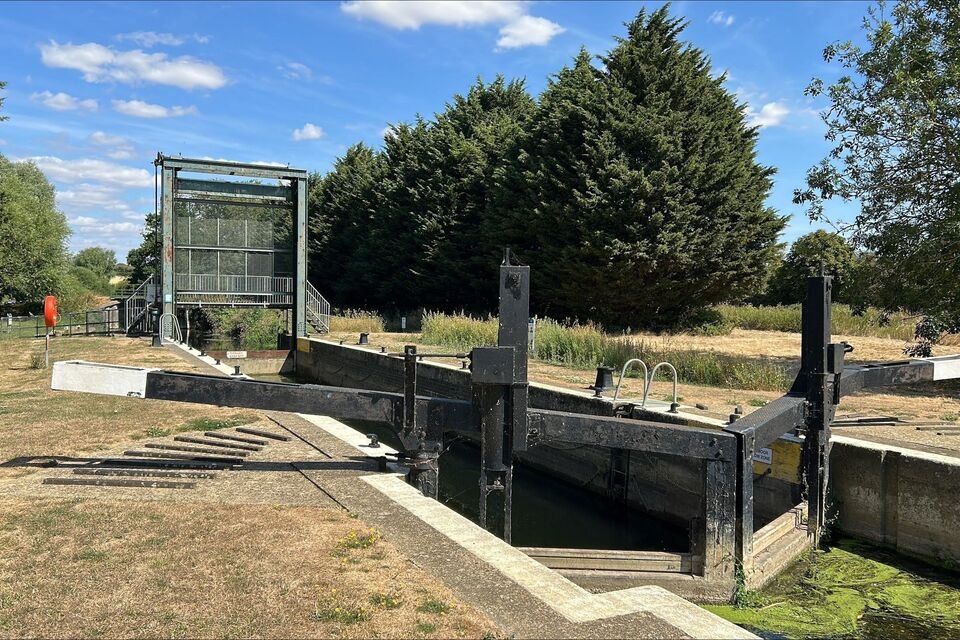
Ashton Lock, situated near Oundle, has emerged as a particularly hard-hit hotspot for these destructive acts. In a series of alarming incidents, vandals first damaged the lock’s winding wheel, necessitating its removal for repair. A temporary replacement was subsequently fitted, only to be stolen. Following this, the lock’s guillotine gate, a critical component for regulating water flow, was also tampered with, resulting in the draining of water essential for both wildlife and navigation.
In a separate, equally concerning incident at Ashton Lock, individuals removed a life buoy and its rope from a safety station. The rope was then used to forcibly tie open the lock’s doors, and the guillotine gate was manually wound up, again leading to the draining of upstream water. This reckless behaviour has been reported to the police and has occurred repeatedly, highlighting a persistent and dangerous pattern.
Beyond Ashton Lock, incidents range from attempts to break into control panel boxes, to individuals climbing onto guillotine gates, and even jumping into locks – actions that expose them to significant hidden hazards within the infrastructure.
A prevalent issue along the River Nene involves individuals manually winding up lock paddles, causing the rapid drainage of the river stretch above. The section between Upper and Lower Barnwell locks, which services Oundle Marina and is home to many live-aboard residents, is particularly vulnerable. Water levels in this area can drop precipitously, and during drought conditions, recovery can be painstakingly slow. Furthermore, reports indicate that individuals have been climbing onto or breaking into weed-cutting boats left on riverbanks during maintenance operations.
Ben Thornely, Area Manager for the Environment Agency, expressed profound concern yesterday, stating, “We are disgusted with the level of vandalism we are experiencing at our vital water control structures. This puts lives in danger and has big implications for wildlife and navigation during drought. If you witness vandalism or antisocial behaviour at our assets, please report it to the police and to us on 0800 807060.”
In response to the escalating crisis, the Environment Agency is implementing enhanced measures to safeguard its infrastructure. These include deploying volunteers at critical Great Ouse sites to deter vandals, installing CCTV cameras at various locations—some directly linked to council control rooms with integrated speaker systems—and conducting regular, augmented safety inspections.
Affected locations include, but are not limited to:
- Northampton Town Lock
- Whiston Lock
- Billing Lock
- Upper and Lower Wellingborough Locks
- Irthlingborough Lock
- Denford Lock
- Nine Arches Mooring
- Lower Barnwell Lock
- Elton Lock
- Alwalton Lock
The EA also re-emphasises crucial river safety guidelines:
- Never jump or dive into unknown waters due to potential depth variations and unseen hazards.
- Avoid entering water near weirs, locks, pipes, and sluices, as these areas are often associated with strong, dangerous currents.
- Inland waters can remain dangerously cold even in warm weather, leading to cramp and breathing difficulties.
- Remain vigilant for boat traffic, as operators, especially of larger vessels, may struggle to spot swimmers.
More information on water safety can be found at: Respect The Water.
Drought Mitigation Efforts in Lincolnshire and Northamptonshire:
The Environment Agency is actively engaged in managing drought impacts. This includes utilising the critical Trent Witham Ancholme scheme, capable of pumping 60 Olympic-sized pools of water daily, to support over 100 abstraction licenses held by water companies, farmers, and other users dependent on the Rivers Ancholme and Witham. Further details are available here: Environment Agency takes action during dry weather in Lincs – GOV.UK.
The EA is also collaborating with farmers, growers, and water companies to promote sustainable water usage during the dry period, implementing temporary limits on abstraction licenses and facilitating water transfers between abstractors. While the Environment Agency ensures water companies have robust drought plans, decisions regarding hosepipe bans remain the responsibility of individual water providers.
### END ###