









NEW DELHI — Political and religious leaders across India are urging the federal government to withdraw a controversial bill regulating foreign funds, arguing that the proposed legislation threatens religious institutions and minority communities. The Foreign Contribution (Regulation) Amendment (FCRA) Bill 2026 has sparked widespread opposition, with calls for it to be referred to a parliamentary committee for broader consultation.
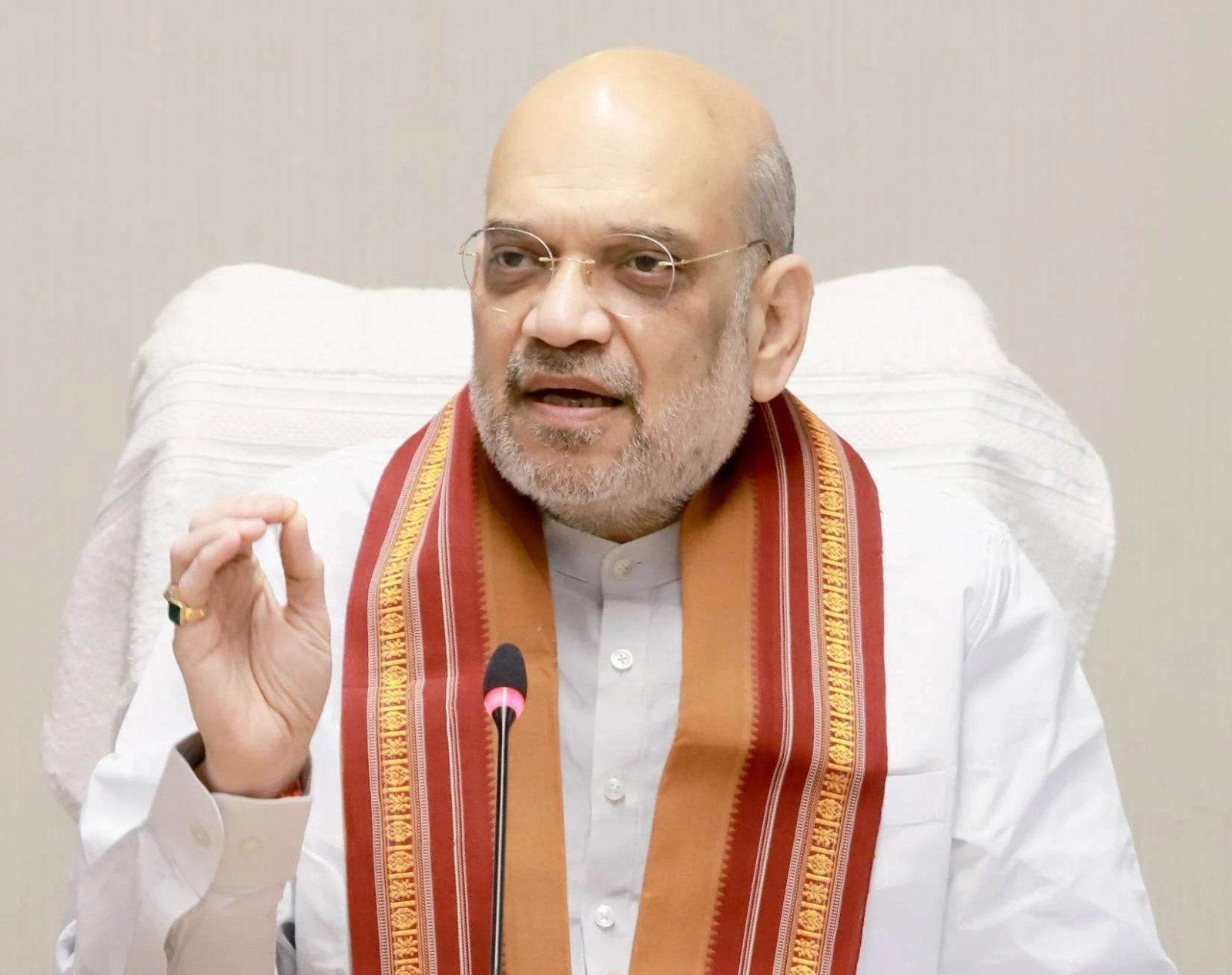
Opponents of the bill, including various Church organizations and political figures, took to social media on August 9 to reiterate their demands, following a meeting three days prior with federal Home Minister Amit Shah in parliament.
The chief ministers of the northeastern states of Mizoram and Meghalaya, Lalduhoma and Conrad K. Sangma respectively, held at least four meetings with Minister Shah last week to voice their concerns. They argue that the bill specifically endangers minorities and the Christian community, which constitutes a significant population in the region. A.L. Hek, a legislator from Meghalaya and a member of Prime Minister Narendra Modi’s Bharatiya Janata Party, emphasized that “Christian institutions are the largest providers of charity in remote and tribal areas and their work should not be curtailed.”
India’s Catholic bishops, through the Catholic Bishops’ Conference of India (CBCI), have appealed to the government to reconsider and withdraw the legislation. Archbishop Anil Joseph Thomas Couto of Delhi, secretary general of the CBCI, stated in a video appeal that while the community is committed to transparent regulation, certain provisions of the FCRA bill pose significant operational challenges for genuine grassroots charitable organizations. He highlighted the CBCI’s long-standing role as a partner in nation-building through education, healthcare, and humanitarian service, irrespective of caste or creed.
Similar appeals have been made by the National Council of Churches in India (NCCI) and the Council of Churches in Mizoram. NCCI general secretary Asir Ebenezer expressed concerns about provisions related to cessation and the proposed vesting mechanism, advocating for administrative and judicial review mechanisms within the system.
Opposition parties, notably the Congress Party, have labeled the proposed legislation as “unconstitutional” and warned it could lead to “excessive executive control.” They have pledged to prevent its passage in parliament.
Parliamentarian P. Wilson, chairman of the Joint Action Forum on Minorities, led a delegation of religious leaders from various denominations to meet with the home minister on July 6. Wilson stated, “We gave our clause-by-clause representation on the bill. We essentially had three prayers – to withdraw the bill, send it to the JPC for wider consultation, and remove the controversial Clause 16.”
Clause 16 of the bill introduces a framework for vesting assets created through foreign contributions in a government-designated authority. Church leaders fear these provisions could have far-reaching consequences for educational institutions, hospitals, orphanages, homes for the elderly, healthcare facilities, and other charitable organizations serving vulnerable communities.
In June, the government announced amendments to FCRA rules for entities receiving foreign funds. These new rules outline a comprehensive framework for vesting, supervision, management, and disposal of foreign contributions and assets by a “designated authority,” including both provisional and permanent vesting.
Under the new regulations, failure to renew a license for official recognition will result in asset vesting. A license will be deemed to have ceased if an entity does not apply for renewal, is refused renewal, or expires without renewal. Critically, the bill offers no mechanism to opt out of the FCRA without incurring a loss of assets.
The legislation also imposes complex compliance requirements, including mandating charities to choose from a limited list of purposes and areas of operation, prohibiting sub-granting to grassroots organizations, reducing allowable administrative outlays, and requiring a single bank branch in New Delhi for all foreign inflows.
According to parliamentarian Shashi Tharoor, this regulatory squeeze has already led to an 87 percent drop in foreign funding, forcing thousands of secular and community-based organizations to shut down. Tharoor criticized the current administration for reframing non-profit charities, think tanks, and human rights groups not as development partners but as sources of subversion and foreign manipulation, calling it a profound injustice to institutions that have dedicated generations to India’s development, education, and healthcare.