

!['Batwara 1947' box office collection Day 2 [LIVE]: Sunny Deol film eyes Rs 10 crore milestone, amid Independence Day boost](https://dailysamchar.in/wp-content/uploads/2026/08/1786780175_photo.jpg "‘Batwara 1947’ box office collection Day 2 [LIVE]: Sunny Deol film eyes Rs 10 crore milestone, amid Independence Day boost")


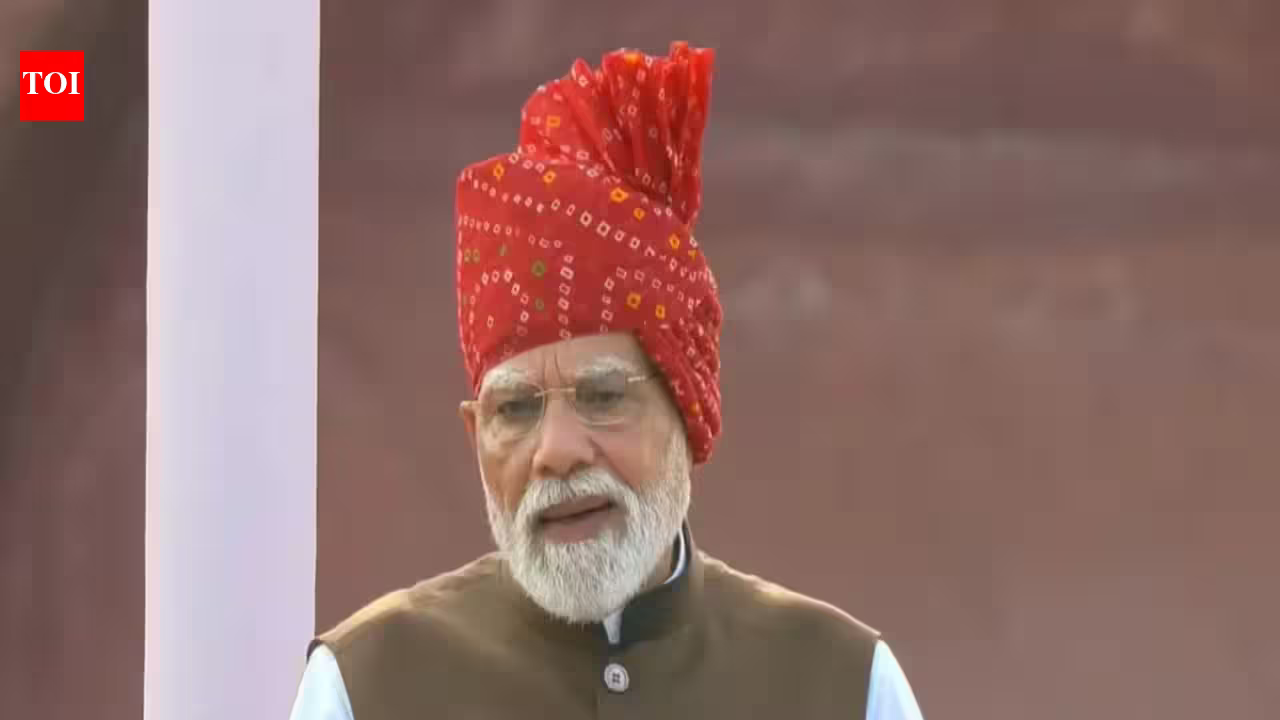
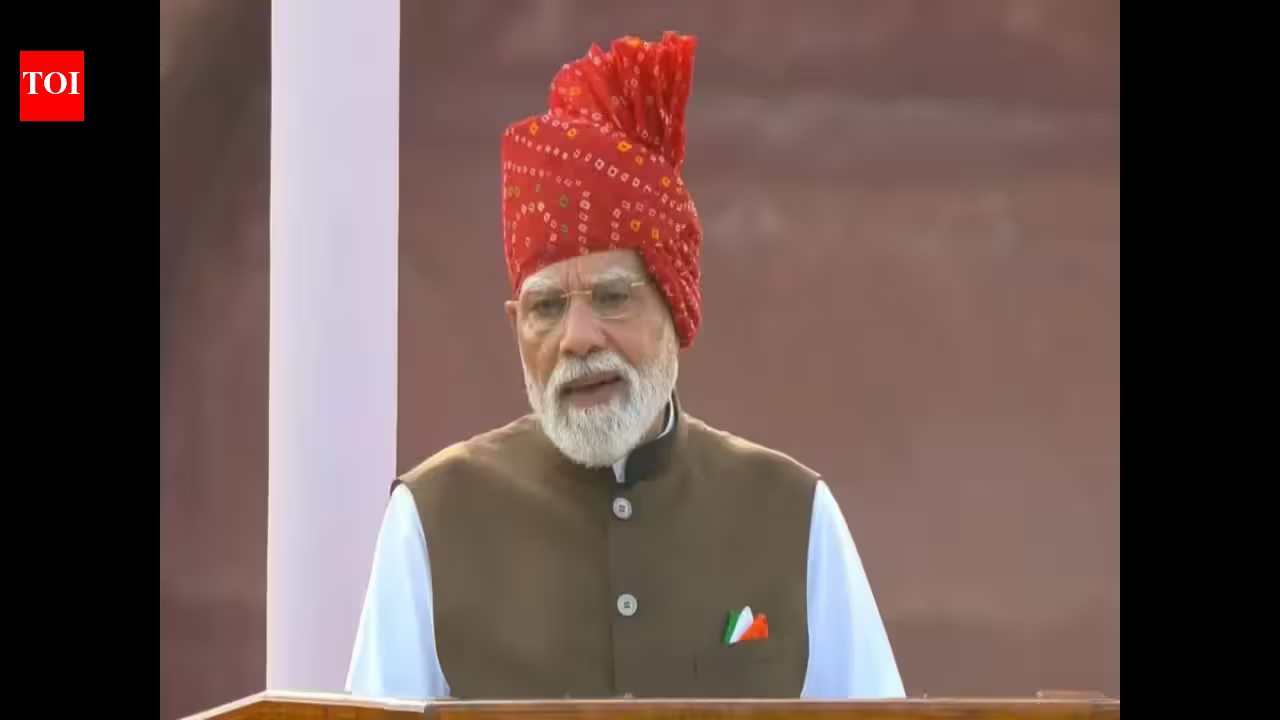
During his Independence Day address on August 15, 2026, Prime Minister Narendra Modi unveiled a significant new initiative aimed at alleviating the substantial financial burden associated with preparing for competitive examinations. This announcement comes at a crucial time, as concerns have mounted regarding the escalating costs of private coaching institutions and the immense pressure these expenses place on households, particularly those from socio-economically disadvantaged backgrounds. The Prime Minister’s declaration also follows recent student protests in Delhi concerning the NEET-UG 2026 paper leak controversy, which has once again drawn national attention to the intricacies and pressures inherent in India’s demanding examination system.
Speaking from the historic Red Fort, PM Modi articulated a vision for a more equitable educational landscape. He stated that the government would now provide free online coaching for a wide array of competitive examinations. The core objective of this initiative is to empower young individuals to thoroughly prepare for high-stakes examinations without being compelled to expend considerable sums on private tutoring. The Prime Minister candidly acknowledged that the burgeoning coaching culture has become a significant financial strain for middle-class families. He observed that parents frequently feel a powerful societal compulsion to enroll their children in these coaching centers, driven by the pervasive fear that their children might otherwise fall behind their peers in the fiercely competitive academic race. Modi emphasized the government’s commitment to assisting poor and middle-class families in saving the thousands of crores of rupees they collectively spend each year on expensive coaching services.
PM Modi further underscored the intense societal pressure surrounding the coaching industry, noting that parents are increasingly convinced that enrolling their children in a coaching center has become an almost unavoidable prerequisite for success. He specifically pointed out that the intense competition revolving around coaching classes has evolved into an overwhelming burden for middle-class families, who fear that abstaining from such institutes could put their children at a distinct disadvantage. The proposed free online coaching initiative is meticulously designed to break this detrimental cycle by ensuring that students have access to comprehensive preparation resources without their families having to bear the prohibitive costs of private coaching.
The Prime Minister highlighted that India already possesses the necessary digital public infrastructure to effectively implement such a widespread initiative, reaching students across the length and breadth of the nation. He also drew attention to the ample availability of highly qualified teachers and experienced educators who are capable of contributing their expertise to online learning platforms. The government intends to leverage these existing national strengths to deliver robust coaching support for various competitive examinations. This strategic approach could enable students to prepare from the comfort of their own homes, thereby eliminating the often-necessary relocation to major coaching hubs in distant cities.
Furthermore, PM Modi stressed the importance of allowing young people to remain close to their families while undergoing the rigorous preparation for competitive examinations. Currently, a common practice sees students from smaller towns and villages migrating to larger cities renowned for their coaching institutes. This migration inevitably adds significant additional expenses for accommodation, food, and travel to an already costly preparation process. By making free online classes widely accessible, this initiative has the potential to substantially reduce these supplementary costs. However, the ultimate success of this endeavor will hinge not merely on the availability of online classes, but also on crucial factors such as consistent and reliable internet connectivity, the delivery of high-quality instruction, the provision of up-to-date study materials, the implementation of regular mock tests, and the establishment of effective doubt-resolution mechanisms.
This significant development emerges amidst a backdrop of escalating scrutiny concerning India’s prevalent coaching system. Competitive exams, particularly those for prestigious medical and engineering institutions, university entrance, and civil services, have become exceptionally challenging, compelling a vast majority of students to seek supplementary private coaching. However, for economically disadvantaged families, these costs can be prohibitive, especially if students are required to take repeated examinations. The accessibility of coaching has sparked critical questions about whether financial capability is increasingly becoming a determinant factor in success in competitive examinations. By introducing free online coaching, the government is making a concerted effort to bridge this existing disparity. Nevertheless, the true measure of this initiative’s impact will ultimately depend on the meticulous planning and effective execution of its implementation strategy.