







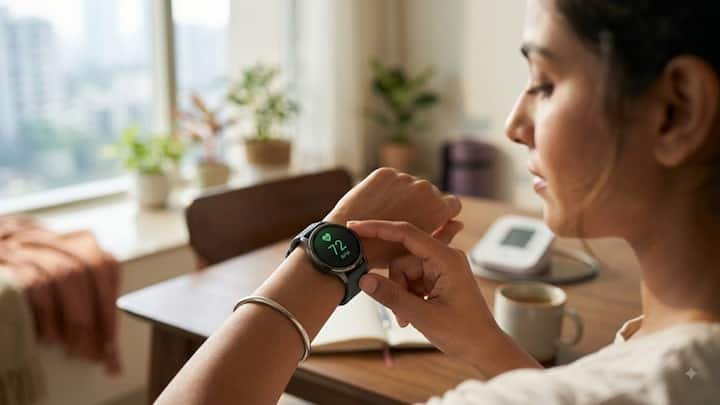
The rise of wearable technology, particularly smartwatches, has profoundly reshaped the landscape of personal health monitoring, offering individuals unprecedented insights into their physiological well-being. It is now commonplace for patients to arrive at medical appointments armed with data from their devices, often reporting alerts related to heart rate fluctuations or fitness achievements. However, while these gadgets undeniably play a pivotal role in fostering health awareness, their capabilities, particularly in the realm of cardiac health, come with significant limitations that warrant careful consideration.
Dr. Paul Hill, a distinguished Consultant Cardiologist based in Cork, Ireland, acknowledges the transformative impact of smartwatches but firmly emphasizes their ancillary role. He notes that these devices are adept at flagging potential anomalies, such as irregular heart rhythms or abnormally high heart rates, yet they are unequivocally incapable of providing a definitive diagnosis. Their function is primarily to alert, prompting further investigation by qualified medical professionals.
Dr. Hill has observed a discernible shift in patient engagement, noting a growing trend of proactive individuals who leverage their smartwatch data to initiate more informed discussions with their healthcare providers. This proactive stance, driven by readily accessible personal health metrics, often leads to earlier consultations and potentially swifter interventions. He specifically cites instances where wearable technology has aided in identifying heart rhythm problems, including atrial fibrillation, thereby facilitating timely medical attention.
Despite these advancements, a crucial cautionary note is sounded by the cardiologist: the abundance of data can, at times, be a double-edged sword. Users may misinterpret the significance of the information presented, leading to undue anxiety over benign fluctuations or low resting heart rates, which, without proper context, can be a source of unnecessary distress. Dr. Hill stresses that the interpretation of data generated by wearables demands a comprehensive understanding of an individual’s unique medical history and lifestyle. A compelling example he shared involved a professional athlete whose smartwatch indicated an unusually elevated heart rate long after strenuous exercise. While the device did raise a red flag, its primary utility was in expediting a thorough medical examination at the Mater Private Hospital Cork, rather than providing a diagnosis itself.
The relationship between fitness levels and cardiac health is often more intricate than generally perceived. Elite athletes, for instance, frequently exhibit remarkably low resting heart rates as a physiological adaptation to their intense training regimes. Yet, Dr. Hill cautions that this specific physiological marker does not inherently guarantee robust heart health. In some cases, prolonged engagement in endurance sports can even predispose individuals to certain heart rhythm disorders.
Notwithstanding these complexities, Dr. Hill expresses optimism regarding the increasing engagement in physical activity across all age groups, particularly among those in their middle years. He firmly reiterates that regular exercise remains one of the most potent strategies for enhancing cardiovascular health. However, he also advocates for a balanced approach to exercise, warning against the burgeoning obsession with performance metrics. He suggests that, at times, the most beneficial aspect of physical activity is simply the enjoyment derived from it, unburdened by the constant pressure to optimize every data point. This concern extends to younger athletes, where he observes a growing emphasis on performance tracking that needs to be carefully balanced with the inherent joy and competitiveness of sports.
Beyond the realm of personal device data, Dr. Hill frequently encounters patients seeking advice on various health fads, diets, and supplements encountered online. He underscores the critical importance of discerning between scientifically validated information and marketing-driven claims, striving to empower individuals to make informed choices that genuinely benefit their well-being.
In essence, Dr. Hill champions the continued use of smartwatches as valuable adjuncts in promoting physical activity and prompting timely medical consultations when necessary. He steadfastly reiterates that while these devices furnish valuable data, they can never usurp the indispensable role of professional medical assessment and diagnosis. Ultimately, he sees a positive trajectory in individuals proactively managing their health, fostering a more engaged and knowledgeable patient base concerning cardiac well-being. The enduring challenge, he concludes, lies in judiciously leveraging the wealth of available information, ensuring that data collection serves to augment, rather than impede, overall health.