









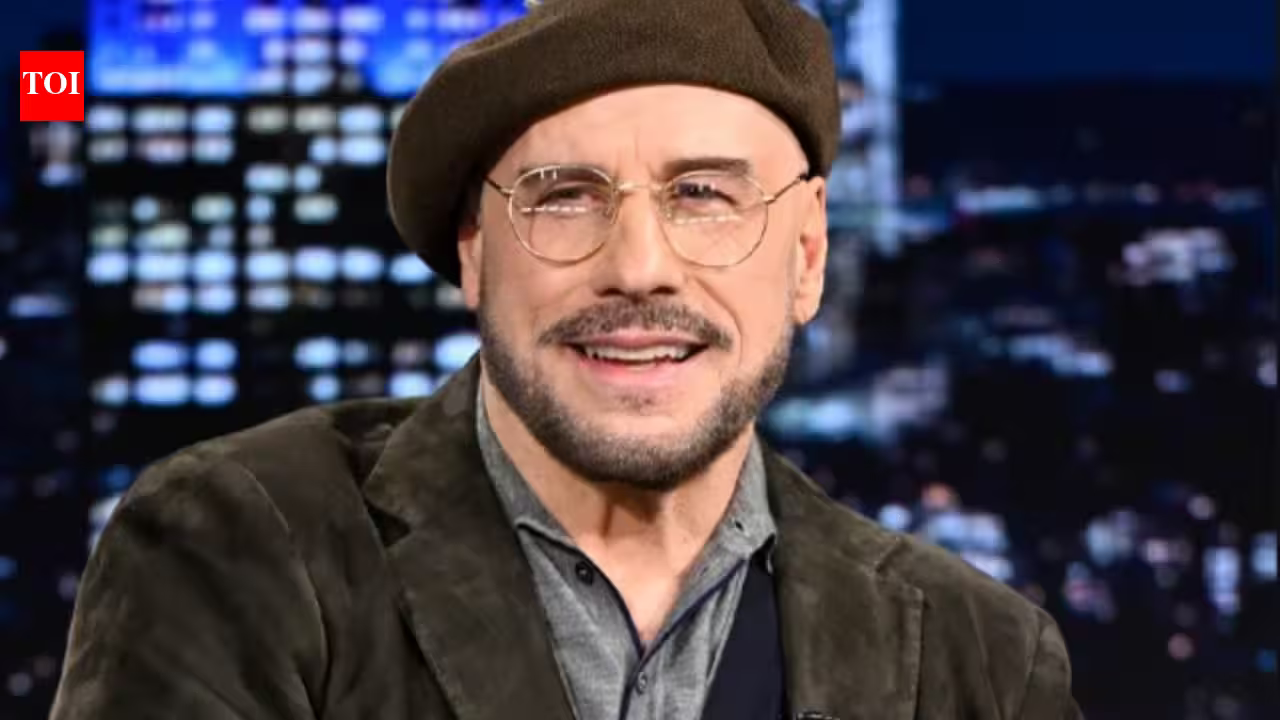
John Travolta, a figure synonymous with Hollywood longevity and resilience, has navigated the intricate landscape of fame and personal challenges with remarkable candor. Having experienced profound highs and devastating lows, the actor has often shared insights into his life, particularly in the aftermath of his mother’s passing. A poignant quote from an interview conducted several years after this pivotal loss illuminates his philosophy: “It’s easier to be responsible for the decisions that you’ve made yourself than for the ones that other people have made for you.” This statement, delivered to journalist Margy Rochlin for Interview magazine in June 1985, revealed a reevaluation of his personal and professional trajectory, emphasizing the imperative of self-direction.
Travolta’s words underscore a fundamental aspect of human existence: the significance of individual autonomy. When individuals delegate critical life choices—be it career paths, romantic partnerships, or lifestyle preferences—to the expectations of parents, partners, employers, or even societal norms, they inadvertently surrender their agency. This abdication of self-determination can lead to a sense of detachment and dissatisfaction. The quote profoundly articulates that owning one’s choices, even when they lead to missteps, fosters a deeper sense of understanding and growth. A personal error transforms into a valuable lesson, whereas a mistake imposed by external forces can feel like an unjust burden. The pressure to succeed and simultaneously placate others becomes an unsustainable double bind. Ultimately, embracing personal responsibility isn’t about guaranteeing constant success; it’s about ensuring that both triumphs and failures unfold on one’s own terms, contributing to a genuinely lived experience.
Born on February 18, 1954, in Englewood, New Jersey, John Travolta was the youngest of six children in an environment steeped in the arts. His mother, Helen Cecilia, was a talented actress and singer who enjoyed a successful career before transitioning to teaching. His father, Salvatore ‘Sam’ Travolta, was a semi-professional American football player who later established a tire repair business. This artistic upbringing undoubtedly shaped Travolta’s aspirations. At the tender age of 17, he left high school to pursue his passion, immersing himself in local theatre productions and plays. His relocation to New York marked a significant turning point, landing him roles in Broadway productions like ‘Over Here!’ and the touring company of ‘Grease!’
Travolta’s entry into the illustrious world of entertainment began with notable roles in the horror classic ‘Carrie’ and the popular television sitcom ‘Welcome Back, Kotter.’ His multifaceted talent soon extended to music, yielding the chart-topping single ‘Let Her In.’ Over the decades, his filmography has been adorned with iconic roles in cinematic milestones such as ‘Saturday Night Fever,’ ‘Grease,’ ‘Pulp Fiction,’ and ‘Urban Cowboy.’ This impressive career has culminated in substantial financial success, with Celebrity Net Worth estimating his accumulated wealth as a versatile actor, singer, director, and producer at a remarkable USD 250 million. His remuneration for various projects reflects his star power, including USD 20 million for ‘Mad City,’ USD 20 million for ‘Face/Off,’ USD 17 million for ‘Primary Colors,’ USD 20 million for ‘Ladder 49,’ and USD 14 million for ‘Hairspray.’ In 1991, Travolta married actress Kelly Preston, and their family grew to include three children: Jett, Ella Bleu, and Benjamin. The tragic passing of their eldest son, Jett, during a family vacation in the Bahamas, marked a profoundly difficult period for the couple.