








Tragedy and Miscommunication: The Search for Lily Hooper Ends in Heartbreak and Apologies
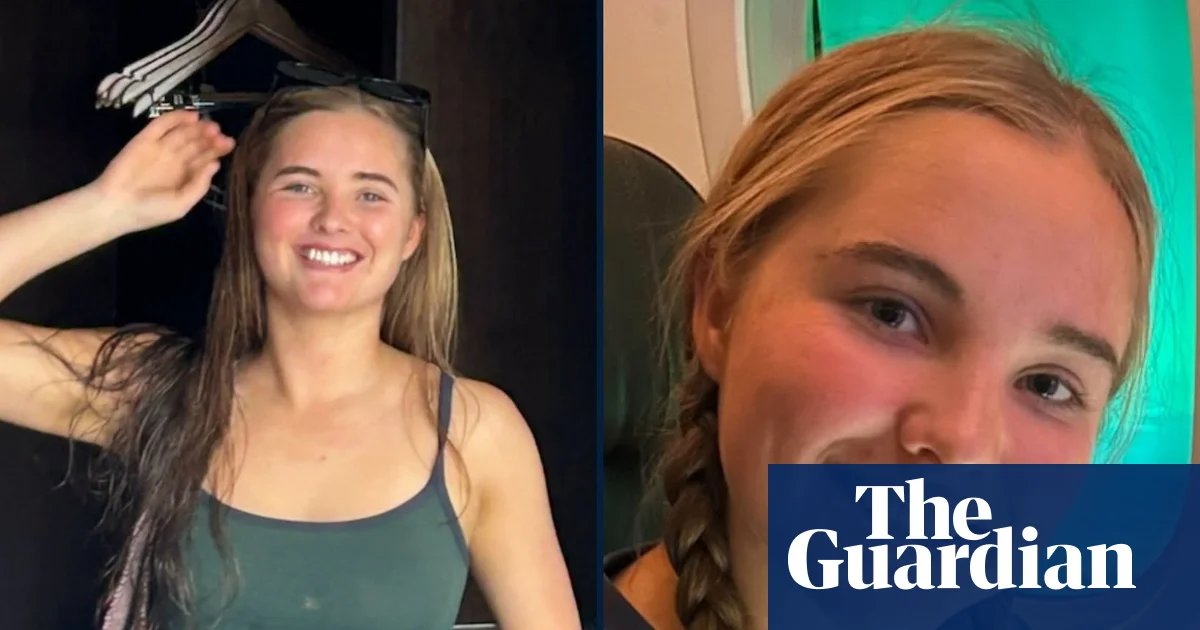
SYDNEY, NSW – A multi-agency search for missing 18-year-old bushwalker Lily Hooper in the rugged terrain of Nattai National Park culminated in a devastating turn of events, marked by a profound communication error that saw her parents, the New South Wales Premier, and media outlets wrongly informed of her being found alive. The subsequent retraction of this joyous but false news plunged all involved into a fresh wave of grief and ignited a critical examination of search and rescue communication protocols.
Lily Hooper was last seen on August 12th, embarking on a hike in the challenging bushland approximately 90km southwest of Sydney. When she failed to return home, a massive search operation was launched that night, involving nearly 1,000 dedicated individuals, including hundreds of volunteers from the State Emergency Service (SES).
The arduous eight-day search appeared to reach a breakthrough on Thursday morning when police media initially announced that a "hiker" had been found. The news rapidly escalated, reaching the highest echelons of state government. Around midday, Premier Chris Minns was handed a note while addressing a parliamentary committee. Confirming its accuracy with the cabinet office secretary, Kate Boyd, Minns then delivered what he believed to be "fantastic news" to the committee, stating that Hooper had been "found in the bush with half a bottle of water with her."
However, this moment of collective relief was tragically short-lived. Within minutes, Minns was forced to issue a harrowing correction: "I’ve got some terrible news. I apologise… Lily’s body has been found." The emotional whiplash from elation to despair left many questioning how such a grievous error could have occurred.
Police Assistant Commissioner Joseph Cassar, addressing reporters in Moss Vale, explained the communication breakdown, attributing it to the challenging environment of the dense bushland and radio communication difficulties. He recounted that at approximately 11:30 AM, SES search volunteers reported to police that they believed they had located Hooper alive. This message was swiftly relayed to Hooper’s parents, who had been anxiously waiting at the search command post near the Bonnum Pic walking trail, where Lily’s car had been discovered.
SES Assistant Commissioner Colin Malone further elaborated on the communication challenges. He highlighted that the "highly trained" bush search and rescue team operated in "very rugged and rough terrain up there and radio communication, like mobile phone communication, as we all experience, when you’re in black spots or tricky areas, the information does get broken up a little bit.”
Cassar stated that within 10 minutes of their initial report, the same SES volunteers provided a "more accurate" update, suggesting they were likely "very close" to Hooper’s body. However, by this point, the initial, incorrect message of her being found alive had already circulated widely, leading to the public announcement by the Premier and widespread media coverage.
Police Commissioner Mal Lanyon later apologized for the "additional trauma" inflicted upon Lily’s family, acknowledging that the initial "elation" quickly turned to "deflation." He defended the police’s swift communication, noting the high-profile nature of the search after eight days. Lanyon revealed he had personally called Premier Minns to apologize for the misinformation.
The Premier, in a statement, expressed his deepest condolences to Lily’s family and reiterated his profound sorrow for any pain his earlier announcement might have caused. Even Opposition Leader Angus Taylor reportedly published and then deleted a social media post celebrating Hooper’s supposed rescue, further highlighting the widespread impact of the erroneous information.
Speculation arose regarding the Premier’s mention of a "water bottle" in his initial announcement, leading some to wonder if coded terms were used in search communications. However, Cassar could not confirm this, stating, "I can’t tell you because I don’t know exactly what was said." Both police and the SES declined to comment on the use of coded terms, though Lanyon affirmed that communications would be thoroughly reviewed and improved. "This is not a circumstance I would like to see repeated," Lanyon stressed, committing to reviewing the relationship between police and SES to prevent future communication failures.
This incident marks the second high-profile communication gaffe for NSW police in a week, following a separate case where a "body" found in a suitcase was later identified as a sex doll. Lanyon, however, maintained that these incidents would not impact public trust, asserting that police took appropriate precautions in both instances.
The tragic passing of Lily Hooper, compounded by the heartbreaking miscommunication, serves as a stark reminder of the complexities and immense pressures faced by search and rescue operations, particularly in challenging environments where clear and timely information is paramount.