







Rewilding Breakthrough: Somerset Estate Remains Lush Amidst Summer Heatwaves
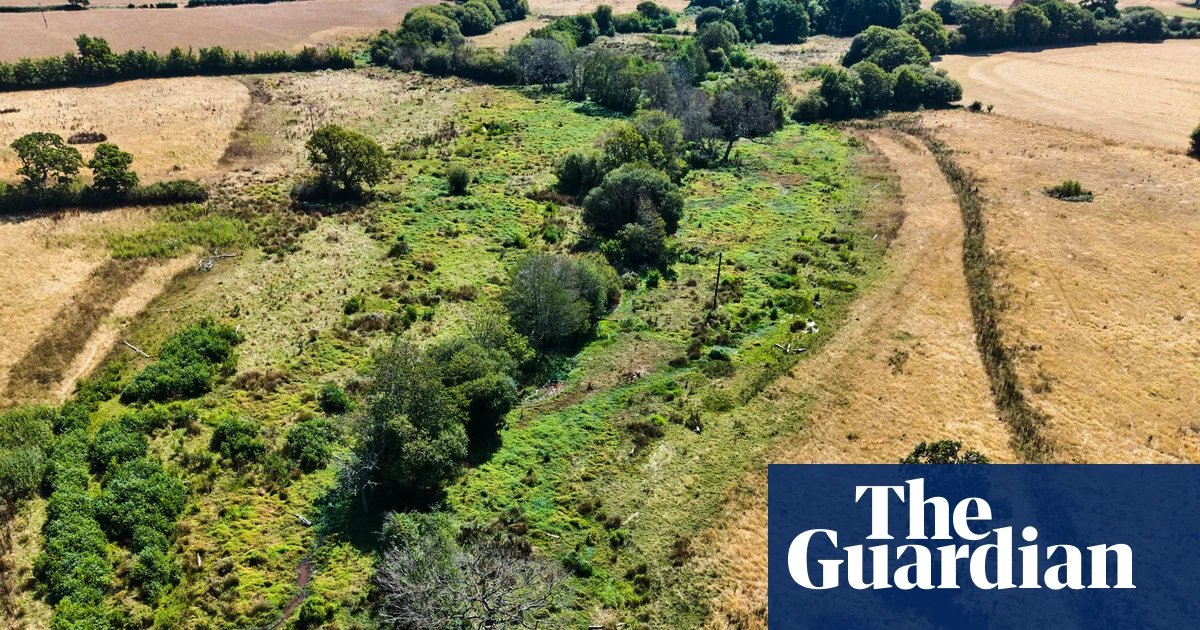
Aerial footage captured over the National Trust’s Holnicote estate in Somerset has provided compelling visual evidence that rewilding land serves as a powerful defense against the volatile weather brought on by the climate crisis.
While much of the United Kingdom suffered through five separate heatwaves this summer, leaving the surrounding countryside parched and brown, the Holnicote estate—where rivers have been returned to their natural courses and wetlands have been restored—has remained notably green and vibrant.
The project offers a striking rebuttal to recent claims from some commentators who have falsely blamed rewilding initiatives for exacerbating wildfire risks. In reality, the Holnicote intervention suggests that restoring natural water cycles creates a robust "natural sponge" that keeps landscapes hydrated even in peak drought conditions.
Nature as Infrastructure
Ben Eardley, the project manager at the Holnicote estate, noted that the success of the project stems from a complete reversal of historical land-management practices.
"For generations, as a nation, we’ve drained wetlands, straightened rivers, and moved water off the land as quickly as possible," Eardley explained. "Here, we’ve reversed that approach and the results are remarkable. By reconnecting river systems with the surrounding area and creating natural sponges in the landscape, we’ve created a system that stores water during drought… and slows water during storms, helping to protect villages from the risk of flooding downstream."
The restoration efforts at Holnicote are part of a broader, urgent movement in the UK. Over the last century, more than 90% of the country’s wetlands have been destroyed. Restoring these habitats is now considered essential for water security, nature recovery, and climate adaptation.
A Call for National Action
The National Trust is now using the success of rewilding at Holnicote as a blueprint for the future. Harry Bowell, the Trust’s director of land and nature, has issued a stark warning to the government, urging a shift in policy to prioritize nature-based solutions.
"This year’s summer has been a stark warning of how our weather systems are changing," Bowell said. "Climate change is no longer something of the future—it’s happening here and now."
Referencing the devastation at the Dunwich estate, where a massive wildfire destroyed lowland heath earlier this summer, Bowell emphasized that the UK is not immune to extreme climate events. With weather patterns becoming increasingly erratic, he argued that investing in healthy, restored landscapes is as critical as investing in any other form of essential national infrastructure.
"It’s places like Holnicote where nature is showing us the way," Bowell added. "By treating and investing in nature as essential infrastructure, we can create landscapes that are more resilient to benefit communities and nature alike."