









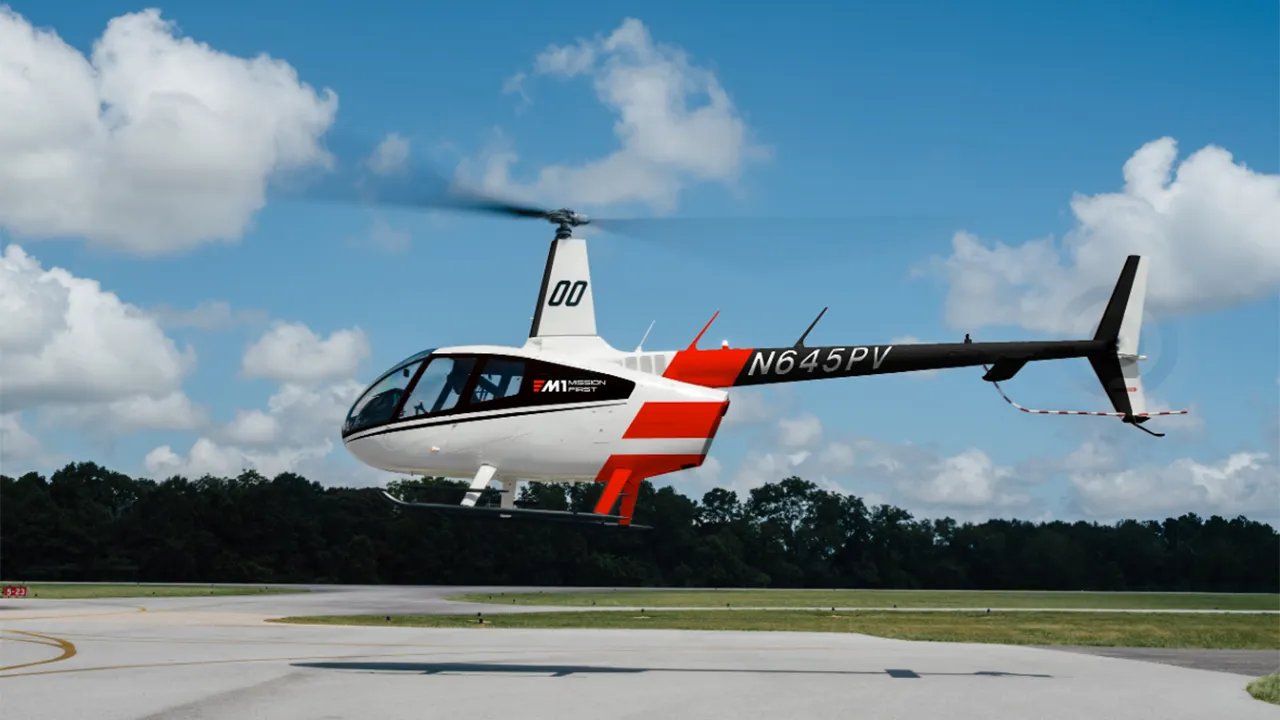
California Helicopter Manufacturer Secures Major U.S. Army Training Deal
TORRANCE, Calif. – In a significant boost for the American manufacturing sector, Robinson Helicopter Company has been selected to provide its R66 turbine helicopter for the U.S. Army’s "Flight School Next" program. The partnership, which involves a team led by M1 Support Services, aims to modernize the training pipeline for the next generation of Army aviators at Fort Rucker, Alabama.
David Smith, CEO of Robinson Helicopter, believes the selection of an American-made aircraft to replace current foreign-built trainers represents a critical win for the U.S. defense industrial base.
"This is a really powerful demonstration of American-made products displacing what are currently foreign offerings in a vital role," Smith said. "It proves that we absolutely have the skills, the resources to innovate, and the capability to manufacture complex hardware here in the United States."
A Boost for Skilled Labor
The contract is expected to have a lasting economic impact, supporting hundreds of high-skilled manufacturing jobs in Torrance, California, and creating ongoing demand for maintenance and instructional personnel in Alabama. Because the R66 is 100% U.S.-designed and manufactured—with more than 85% of its components produced in-house at Robinson’s vertically integrated facility—the company views this as a long-term anchor for its operations.
"There’s an opportunity for us to support these aircraft and the parts that feed them for 26 years," Smith noted. He added that the program also opens doors for future exports to allied nations, which could drive even further domestic job growth.
Efficiency and Modernization
Robinson’s R66 beat out several competitors by demonstrating superior performance, price efficiency, and resiliency. According to the company, the R66 maintains the lowest acquisition and direct operating costs of any turbine helicopter in its class, a factor that could allow the Army to reallocate funds toward other critical military priorities.
Beyond cost savings, the R66 provides students with hands-on experience using modern avionics, advanced autopilot systems, and night-vision capabilities—essential tools for the modern battlefield.
Looking Toward the Future
For Robinson, this contract is more than a single training initiative; it is a catalyst for broader expansion into the defense sector. Smith emphasized that the company plans to reinvest proceeds from the deal into research and development, particularly in emerging areas like unmanned aircraft and next-generation defense technologies.
The move also highlights the broader national imperative to revitalize interest in skilled trades. Smith, an engineer by training, stressed that the defense industry must prioritize making manufacturing careers "fun and cool" again to attract a new generation of talent.
As the company prepares to support the Army’s training operations, the deal serves as a testament to the ongoing importance of a robust, domestic defense industrial base. By securing this contract, Robinson Helicopter Company is not only equipping the Army’s future pilots but also ensuring that the spirit of American innovation remains at the forefront of aviation technology.