








Unlocking the Secrets of Hibernation: How Environmental Cues Dictate Black Bear Behavior
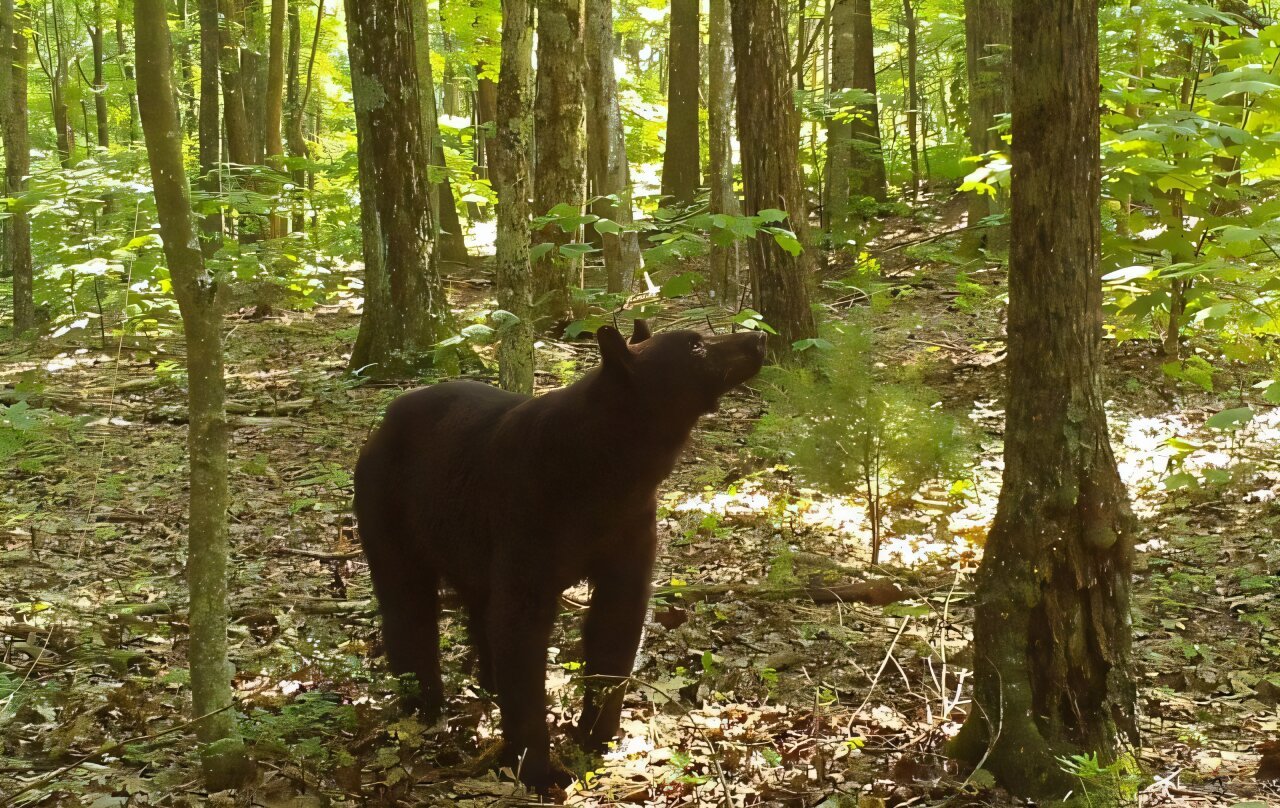
New research from Virginia Tech’s College of Natural Resources and Environment has shed light on the complex biological and environmental triggers that govern the seasonal cycles of American black bears. By analyzing years of observational data, scientists have gained a deeper understanding of how external factors influence the timing and duration of hibernation, providing critical insights into how these apex predators might respond to a rapidly changing climate.
Beyond the Clock: The Role of Environment
For decades, researchers have understood that black bears undergo significant physiological changes as they enter their winter slumber, a state known as torpor. While internal biological clocks play a role, this latest study emphasizes that environmental cues are equally vital in signaling to bears when it is time to seek dens.
The research highlights a sophisticated interplay between fluctuating temperatures, food availability, and photoperiods. As autumn transitions into winter, bears process a variety of signals that dictate their metabolic shift. The study suggests that when these signals become erratic—due to unseasonably warm winters or disrupted food sources—the bears’ hibernation patterns can become unpredictable, potentially leading to increased human-wildlife conflict.
Implications for Conservation
The findings come at a pivotal time for wildlife management. As ecosystems undergo shifts, the ability for scientists to predict how hibernation windows might narrow or fluctuate is essential for the conservation of the species.
"Understanding the nexus between environmental stability and animal behavior is paramount," the research team noted. By identifying the specific thresholds that trigger denning, conservationists can better manage habitats and protect bears during their most vulnerable periods.
The Future of Bear Research
This project serves as a cornerstone for future studies regarding mammalian dormancy. By decoding how bears perceive their environment, Virginia Tech scientists are helping to build a broader framework for understanding how large mammals adapt to environmental stressors. As the team continues to analyze longitudinal data, the goal remains clear: to ensure that the delicate balance between black bear life cycles and the natural world remains intact, even in the face of ongoing environmental change.