








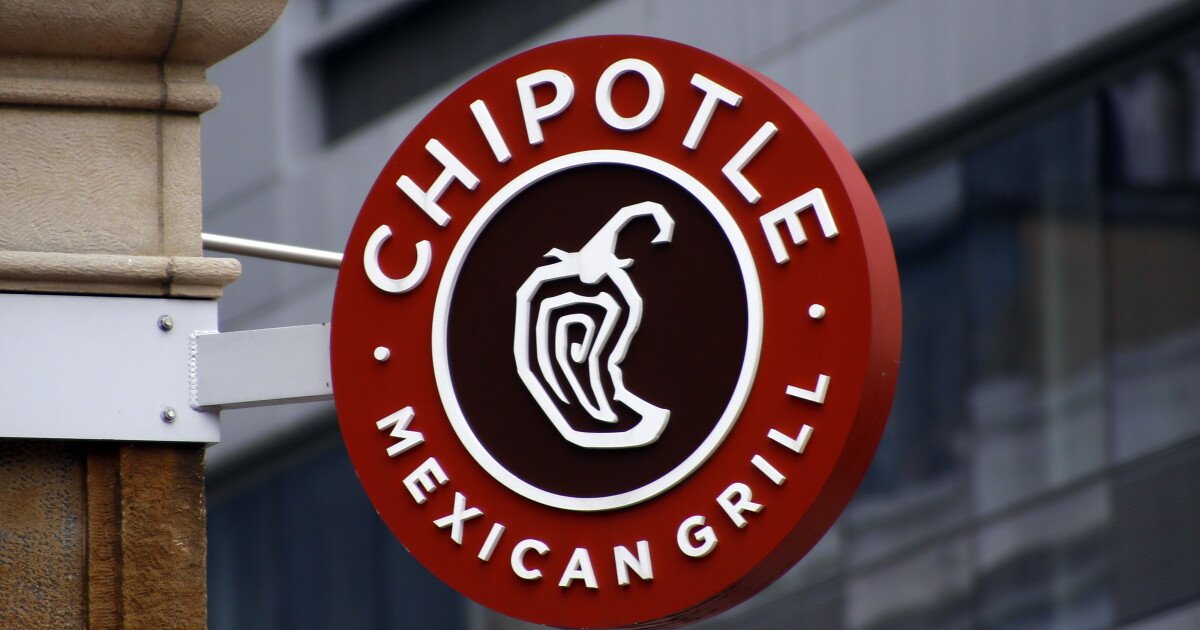
Wall Street is buzzing following reports that coffee giant Starbucks has held preliminary discussions regarding a potential acquisition of the fast-casual Mexican chain Chipotle. The news, first broken by the Financial Times, has sent shockwaves through the retail sector, sparking debate over whether such a massive consolidation of two powerhouse food brands could actually materialize.
While neither company has issued an official statement, the market’s reaction was swift and stark. Chipotle shares saw a significant jump of roughly 7% on the news, signaling investor optimism about a potential premium buyout, while Starbucks shares dipped about 2% as shareholders weighed the complexities and risks of such an expansive merger.
The Brian Niccol Factor
At the center of this narrative is Brian Niccol, the current CEO of Starbucks who took the helm in 2024. Before his high-profile move to the coffee chain, Niccol was the mastermind behind a massive turnaround at Chipotle, where he helped modernize the brand’s digital infrastructure and operational efficiency. His intimate knowledge of both companies’ inner workings adds fuel to the speculation that he could be the architect of a historic deal.
Bringing these two entities together would merge Starbucks’ global footprint of 41,000 coffee shops with Chipotle’s 4,200 fast-casual locations. Such a move would create a retail behemoth with unparalleled reach, though analysts are already questioning the strategic rationale of merging a morning-focused beverage business with a lunch-and-dinner-centric food chain.
Technology and the Modern Retail Playbook
Beyond the traditional restaurant metrics, any potential union between these two would likely lean heavily on the tech-driven strategies that define modern food service. In recent years, both Starbucks and Chipotle have pivoted toward becoming “tech companies that sell food.”
Starbucks has led the industry with its robust AI-driven mobile app, which utilizes machine learning to personalize customer offers, predict store inventory needs, and optimize staffing levels. Meanwhile, Chipotle has heavily invested in digital throughput, utilizing AI to manage its “digital make-line”—a secondary prep area dedicated exclusively to app and third-party delivery orders.
If these companies were to integrate, a key focus would undoubtedly be the synergy of their digital ecosystems. A consolidated loyalty program or a unified AI engine capable of predicting consumer behavior across both breakfast and dinner segments could provide a significant competitive advantage. Integrating these tech stacks would be a massive undertaking, requiring the combined might of their engineering teams to ensure that the “Starbucks experience” remains seamless while incorporating Chipotle’s high-volume, customized production models.
Evaluating the Market Impact
While the logistical hurdles of merging such distinct operational models remain steep, the tech industry is no stranger to “super-app” ambitions. Tech giants are increasingly looking at ways to integrate retail into their digital platforms, and the prospect of a massive, unified data set covering the daily habits of millions of caffeine-seeking, burrito-buying consumers is likely an enticing prospect for long-term strategic growth.
However, industry experts remain cautious. Starbucks is currently focused on navigating its own internal transitions under Niccol’s new leadership, and regulators would likely scrutinize any merger of this scale. The landscape of quick-service dining is evolving, with AI-driven inventory management and automated kitchen technology becoming the new gold standard. Whether this potential acquisition is a realistic path forward or merely a rumor born from the arrival of a former CEO, it highlights a broader trend in the tech-retail space: the drive to leverage massive datasets and unified digital platforms to dominate the consumer’s daily routine. For now, investors and analysts are watching closely to see if this marriage of convenience becomes a boardroom reality or fades into a mere footnote of the 2024 corporate calendar.
Disclaimer: This content is auto-generated for informational purposes only.
Source: Read Original News