





The Digital Makeover: Can Narendra Modi’s New Online Persona Win Over India’s Youth?
By Global Affairs Desk
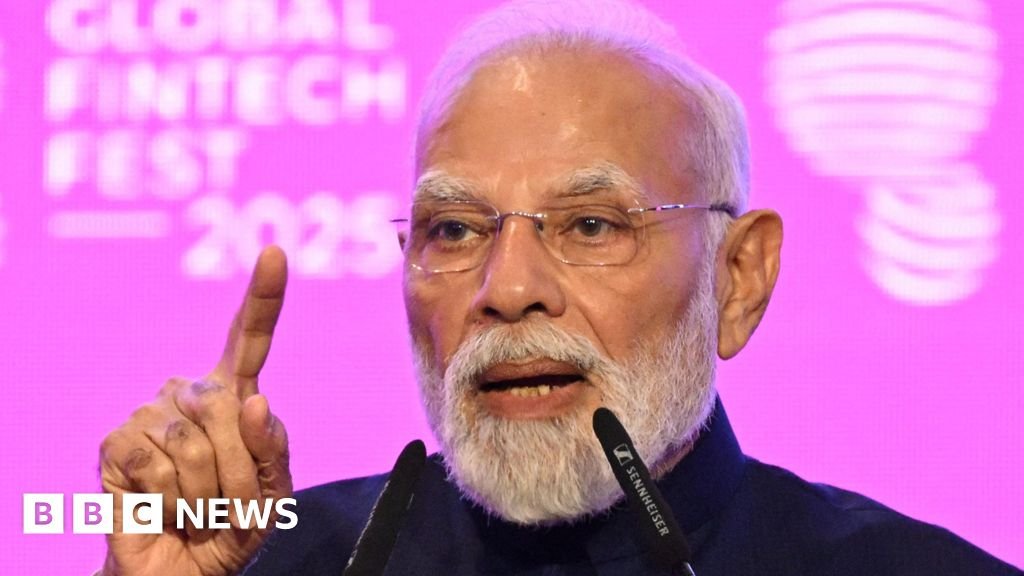
In a strategic shift that marks a departure from his traditionally stoic and formal image, Indian Prime Minister Narendra Modi is increasingly embracing a softer, more casual digital persona. As the political landscape of the world’s most populous nation continues to evolve, the leader’s social media strategy has pivoted to target the sensibilities of India’s vast youth demographic.
The recent evolution in his online presence—characterized by lighthearted interactions, behind-the-scenes glimpses, and a more approachable tone—is designed to bridge the generational divide. However, while some supporters praise the shift as a necessary modernization of political communication, the move has also been met with significant skepticism from critics and political analysts.
A Calculated Shift in Tone
For years, the Prime Minister’s digital footprint was defined by polished, state-led messaging and formal addresses. Today, that narrative is being interspersed with content that feels, at least on the surface, more authentic. From impromptu interactions with content creators to sharing personal anecdotes, the objective appears to be clear: to dismantle the barrier between the head of state and the digital-native Generation Z and Millennial voters.
Supporters argue that this new approach demonstrates a leader who is "in tune" with the times. By leveraging platforms like Instagram and YouTube to showcase a more human side, the administration aims to cultivate a sense of relatability that traditional political campaign tactics often fail to achieve.
Facing the Skepticism
Despite the high production value of this digital pivot, the reception has been polarized. Detractors argue that the shift is a calculated attempt to distract from pressing socio-economic concerns, such as unemployment and inflation. Many observers suggest that beneath the veneer of lighthearted social media clips, the core of the government’s policies remains unchanged.
Furthermore, political scientists point out that the strategy mirrors global trends where populist leaders attempt to build direct, unmediated relationships with their base. The question remains whether this "cool" new image can truly resonate with voters who are increasingly concerned about tangible economic outcomes rather than curated digital content.
The Verdict?
Whether this transformation is a genuine attempt at outreach or a sophisticated campaign maneuver remains a subject of intense debate. As India prepares for its future political cycles, the success of this strategy will be measured not by likes or shares, but by the ballot box.
For now, the Narendra Modi administration’s move signals a broader realization: in the age of viral media, the battle for the hearts and minds of young citizens is no longer fought only in parliament, but across the screens of millions of smartphones.
Image credit: BBC News