








Escalating Drought Concerns: Severn Trent Under Pressure as River Severn Faces “Irreparable Harm”
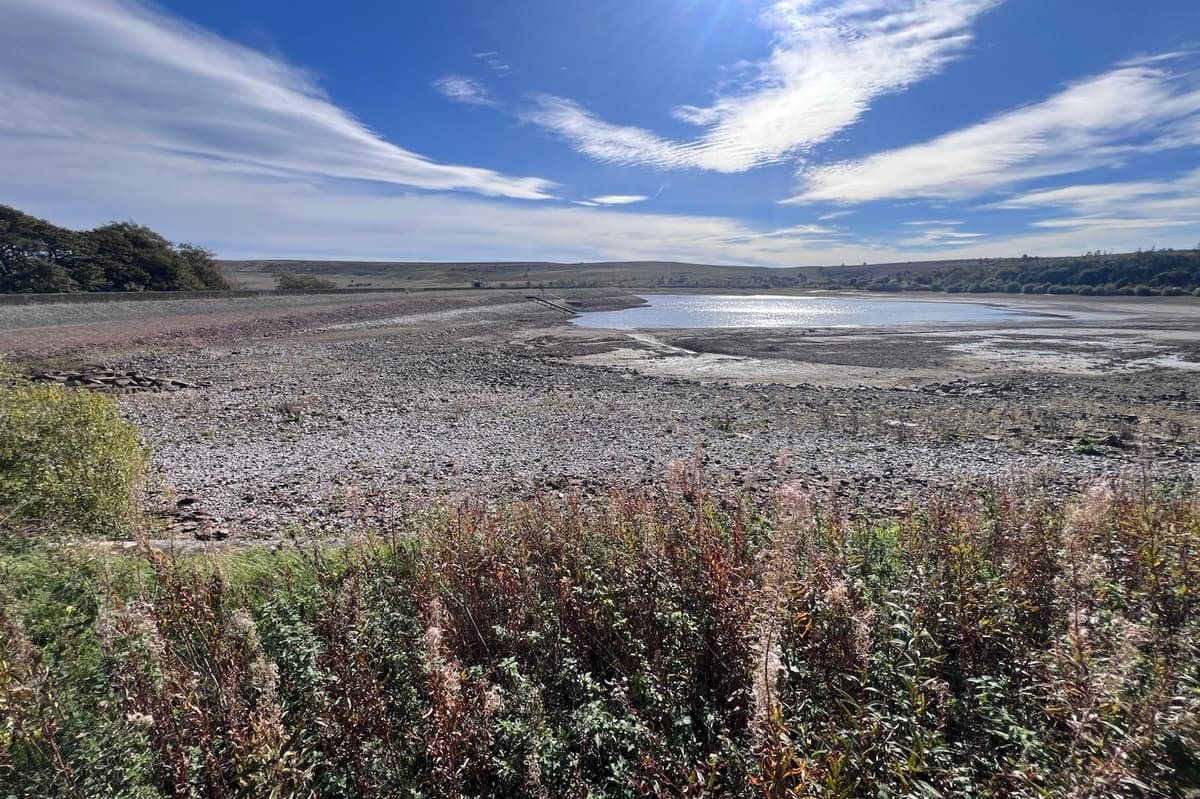
As the United Kingdom braces for what is shaping up to be the warmest summer on record, environmental authorities are sounding the alarm over the state of the River Severn. With water levels plummeting, regulators have moved to request a drought order, sparking a tense standoff between the government and major water suppliers.
The Environment Agency (EA) and Natural Resources Wales have jointly applied to the English and Welsh governments for a formal drought order. The move follows months of “exceptional concern” that the river is drying out, a situation experts warn could lead to “irreparable harm” to the local ecosystem.
Tensions Rise Over Lack of Restrictions
The application for a drought order has been accompanied by a clear expression of frustration from the Environment Agency regarding the current response from water companies. Despite the persistent hot, dry weather, no major water provider in the affected area has yet implemented a Temporary Use Ban, commonly known as a hosepipe ban.
In a pointed statement, the EA urged water firms to take swifter action, stating: “We still expect water companies to follow their drought plans and encourage an earlier use of Temporary Use Bans to protect public water supplies and preserve the environment.”
The Shropshire Star reached out to Severn Trent to address the regulator’s concerns. In response, the water company emphasized that it is “actively working” with both the Environment Agency and Natural Resources Wales as part of the formal consultation process for the drought order.
A Summer of Unprecedented Dryness
Data highlights the severity of the crisis. Severn Trent reported that rainfall levels have been significantly below average, with July seeing less than five percent of expected rainfall and August tracking at just nine percent.
Explaining their water supply strategy, a spokesperson for the firm said: “Rivers make up a third of our water supplies, with a third coming from our reservoirs and a third from boreholes. While we have seen the occasional localised rain shower, we need to recover from months of prolonged hot and dry weather.”
For now, Severn Trent continues to follow its existing drought management plan rather than opting for mandatory restrictions. Instead, the company is urging the public to be mindful of their consumption to help protect essential supplies and the fragile environment.
As the consultation for the drought order continues, the spotlight remains fixed on whether water companies will choose to enforce restrictions before the environmental damage reaches a point of no return.