







Pakistan Rebuilds Targeted Jaish-e-Mohammed Headquarters in Bahawalpur: Intelligence Reports
New Delhi: Exclusive intelligence inputs and recent visuals indicate a significant revival of the Jaish-e-Mohammed (JeM) headquarters in Bahawalpur, Pakistan. The site, known as the Markaz Subhanallah complex, has undergone extensive reconstruction, raising fresh alarms regarding Islamabad’s continued patronage of the United Nations-designated terrorist organization.
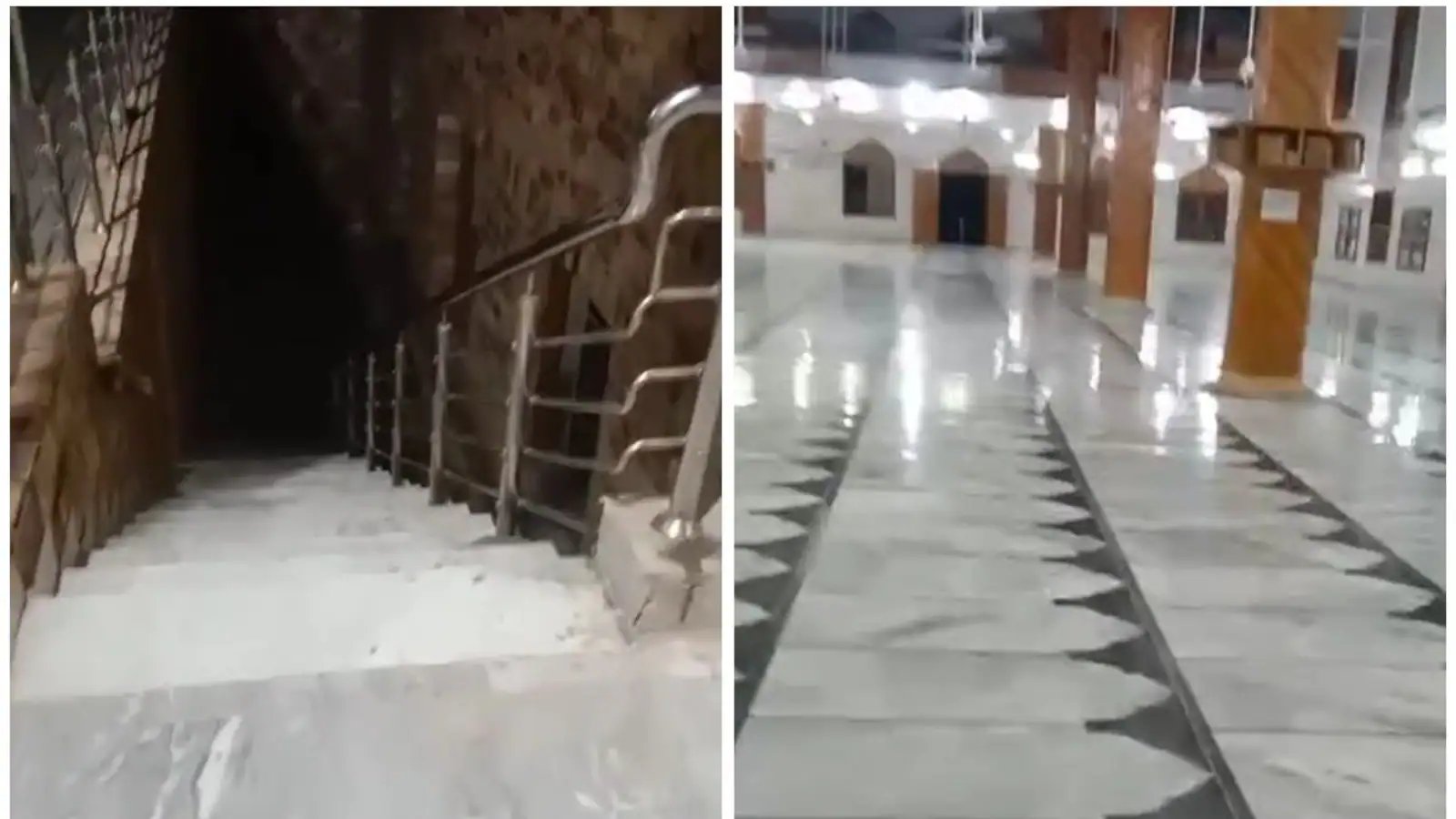
The sprawling facility, which sustained severe structural damage during India’s precision air strikes—codenamed Operation Sindoor—last year, now appears fully restored. High-resolution imagery shows that what were once battle-scarred halls and cratered grounds have been replaced with new construction, fresh paint, and polished marble.
State-Backed Funding Allegations
The scale of the restoration has prompted deep skepticism from security analysts. Intelligence reports suggest that the Pakistani security establishment allegedly facilitated a payment of PKR 25 crore to the group in cash installments to expedite the repairs. Of this total, approximately PKR 11 crore was reportedly earmarked specifically for the reconstruction of the central hall—the facility’s most critical hub.
This level of investment suggests that the facility is not merely a residential site but a strategic asset for the JeM, an organization blamed for numerous terror attacks targeting Indian interests. The rapid repair of the complex suggests a deliberate effort by local authorities to ensure the group remains operational despite international pressure.
Restructuring the Terror Network
Beyond the central hall, the reconstruction efforts have seen the demolition of damaged peripheral structures, including the Madrasa Al-Sabir, which served as an indoctrination center. These have been cleared and replaced with modern facilities, signaling a consolidation of the group’s infrastructure rather than a retreat.
The resurgence also highlights a tactical shift in the group’s leadership hierarchy. While founder Masood Azhar is reportedly incapacitated due to failing health, operational control has shifted to his brothers, Talha Al-Saif and Mohinuddin Aurangzeb (also known as Ammar Alvi).
Intelligence agencies further note that Masood Azhar and his brother, Rauf Asghar, continue to operate with apparent impunity under the protection of the Pakistani state. Their reported movements within the Nawabshah area of Sindh lend weight to long-standing Indian claims that Islamabad continues to provide a safe haven for designated global terrorists.
A Challenge to Counter-Terrorism Commitments
For New Delhi, the rebuilding of the Markaz Subhanallah complex serves as a stark reminder of the challenges in curbing cross-border militancy. The developments indicate that while kinetic military actions may disrupt terror infrastructure temporarily, the ecosystem that sustains such organizations—supported by state financing and administrative protection—remains intact.
As global bodies look to Pakistan to demonstrate a genuine break from its support for militant groups, the renovated Bahawalpur facility stands as a contentious symbol of the gap between Islamabad’s diplomatic rhetoric and its domestic actions.