








Apple Unifies Design Language with Subtle Refresh of Magic Keyboard Lineup
Apple has quietly updated its standalone peripheral lineup, introducing revised U.S. English Magic Keyboard models that feature a streamlined aesthetic. The refresh marks a significant shift in design, moving away from traditional text-based key labeling in favor of universal iconography.
A Move Toward Minimalist Design
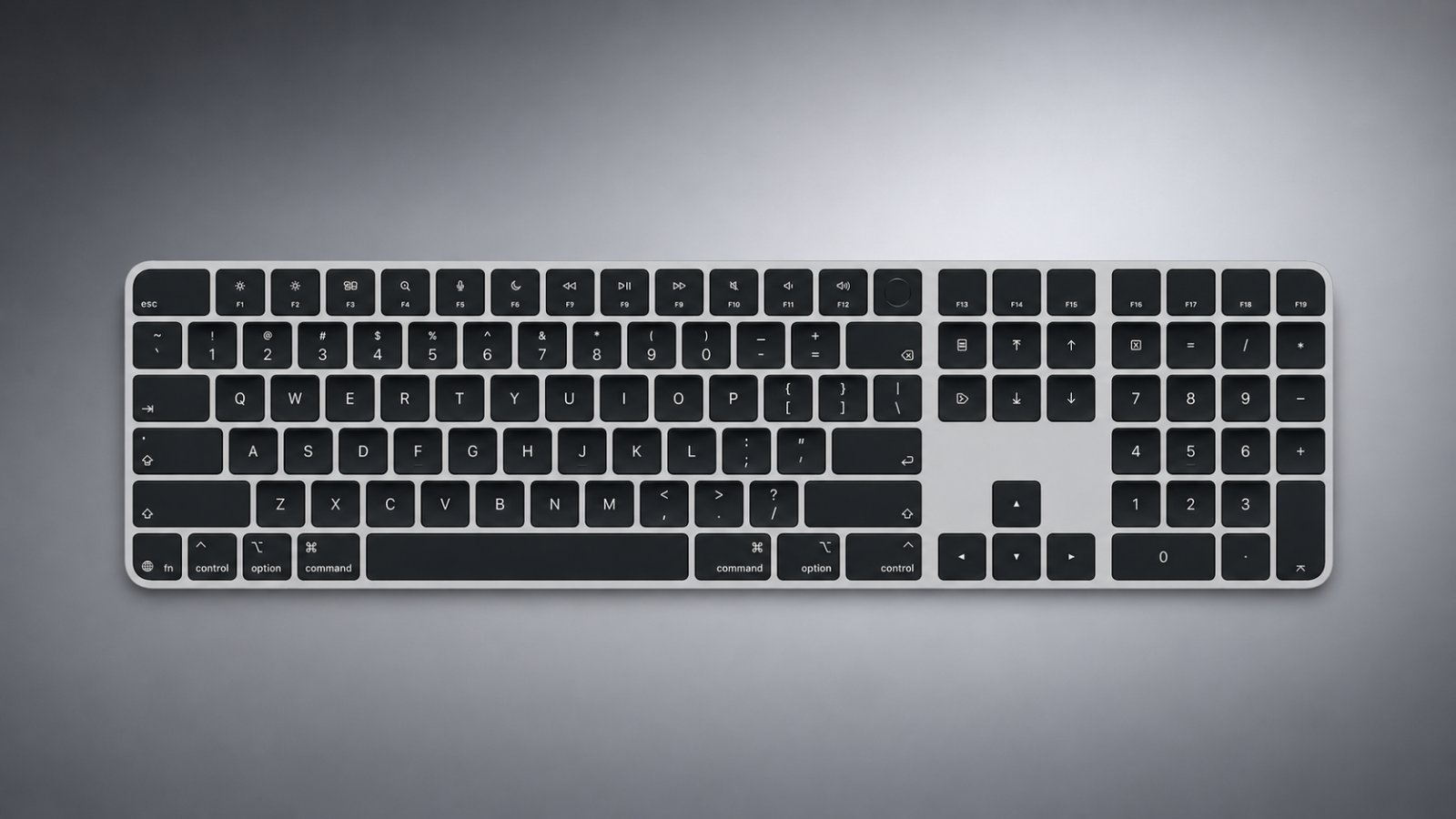
On the newly updated keyboards, Apple has replaced standard text labels with intuitive glyphs for several modifier and functional keys. Users will now find symbols adorning the Tab, Caps Lock, Shift, Return, and Delete keys.
For users who opt for the full-size Magic Keyboard with a numeric keypad, the transition is even more comprehensive. These models have replaced the text labels on the Home, Page Up, Page Down, End, Clear, and Enter keys with corresponding symbols, creating a more cohesive, uncluttered appearance across the board.
Affected Models
Apple has applied these design changes to four key products in its current ecosystem:
- Standard Magic Keyboard
- Magic Keyboard with Touch ID
- Magic Keyboard with Touch ID and Numeric Keypad (White keys)
- Magic Keyboard with Touch ID and Numeric Keypad (Black keys)
Notably, the standard Magic Keyboard with Numeric Keypad—which lacks the integrated Touch ID sensor—has been left out of this update and retains the traditional text-based labels.
Aligning with the Mac Ecosystem
This design shift represents a wider push toward consistency across Apple’s hardware portfolio. The updated desktop keyboards now mirror the aesthetic choices made earlier this year when Apple rolled out its 2026 MacBook lineup. The MacBook Air, MacBook Pro, and the newly introduced MacBook Neo all adopted these same symbol-based keys, signaling that Apple is standardizing its typing experience across both laptops and desktop peripherals.
While these changes are limited to the U.S. English layout, the implications are global. Because the U.S. English configuration serves as the default standard for many regions—including Australia, Canada, New Zealand, and Singapore—this design language will now reach a massive international user base.
International customers in Europe and the UK, however, are likely to view the update as a familiar change, as Apple has utilized these specific glyphs on non-U.S. layouts for several years.
For those interested in the specifics of this hardware update, you can find more details regarding the Apple Magic Keyboard refresh on the company’s official storefront.