






Shaping the Future of Trust: Arvind Raman Named to TIME100 AI 2026 for Pioneering Safety Standards
As artificial intelligence systems grow increasingly complex and pervasive, the global tech industry faces a critical dilemma: how do we ensure these systems are safe, reliable, and predictable before they are deployed into the wild?
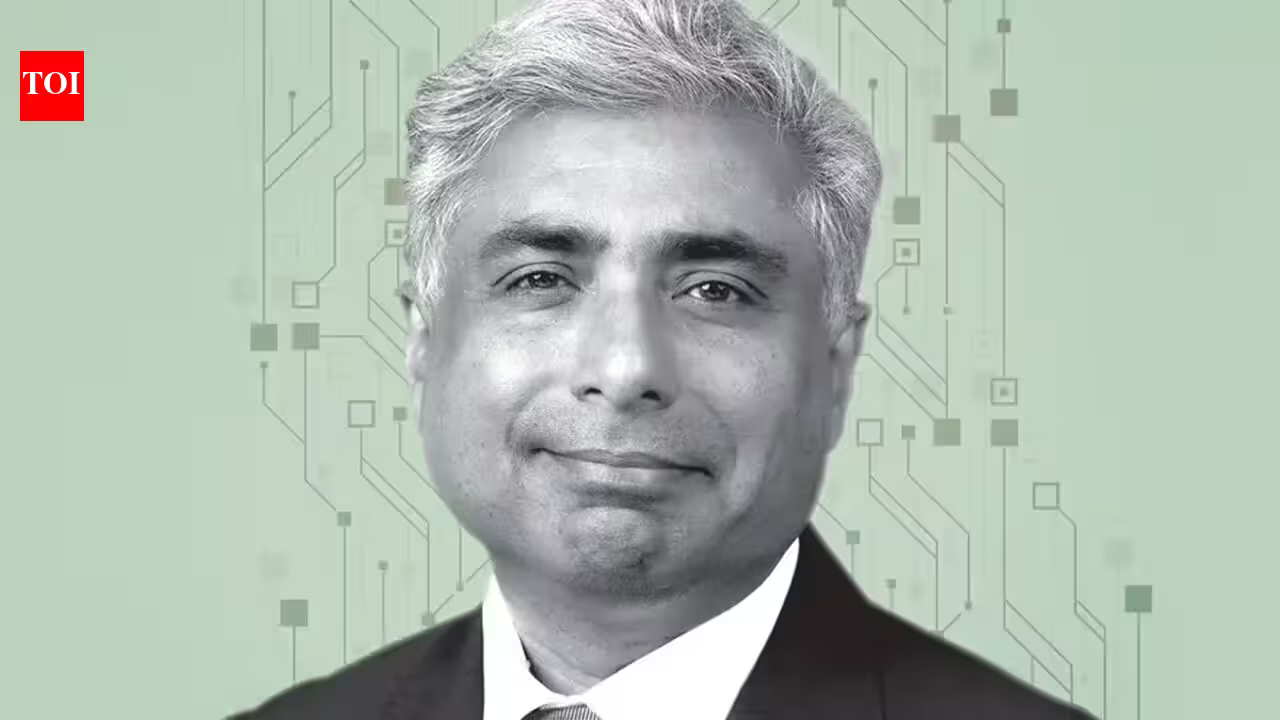
Answering this question is the driving force behind the work of Arvind Raman, an Indian-origin technology policy expert whose contributions have earned him a spot on the prestigious TIME100 AI 2026 list. As a director at the U.S. National Institute of Standards and Technology (NIST) and acting head of the U.S. Center for AI Standards and Innovation, Raman is building the critical infrastructure required to evaluate the next generation of AI.
The Unsung Architects of AI Safety
While media headlines are often dominated by billion-dollar funding rounds and the unveiling of new “frontier” models, Raman’s work focuses on the less glamorous—but arguably more vital—foundations of the AI ecosystem: standards, evaluation, and safety protocols.
Unlike traditional regulation, which often restricts what companies can build, the work led by Raman centers on creating rigorous, standardized frameworks to measure how AI systems perform. This approach empowers developers to refine their models while providing policymakers with the empirical evidence needed to design effective, balanced rules.
Why Evaluation is the New Frontier
The “demo-to-reality” gap remains one of the most significant challenges in AI development. An LLM might appear flawless during a controlled demonstration but demonstrate unpredictable behavior, factual hallucinations, or safety lapses when exposed to real-world data or adversarial inputs.
Raman’s team at NIST works to bridge this gap by developing benchmarks that test an AI’s capabilities, limitations, and potential for harm. “The AI race is not only about who can build the smartest system,” experts note. “It is also about who can determine whether those systems work as intended.”
A Blueprint for Future Careers
Raman’s recognition by TIME serves as a powerful signal to the next generation of innovators. His career path demonstrates that the AI revolution requires talent that extends far beyond software engineering.
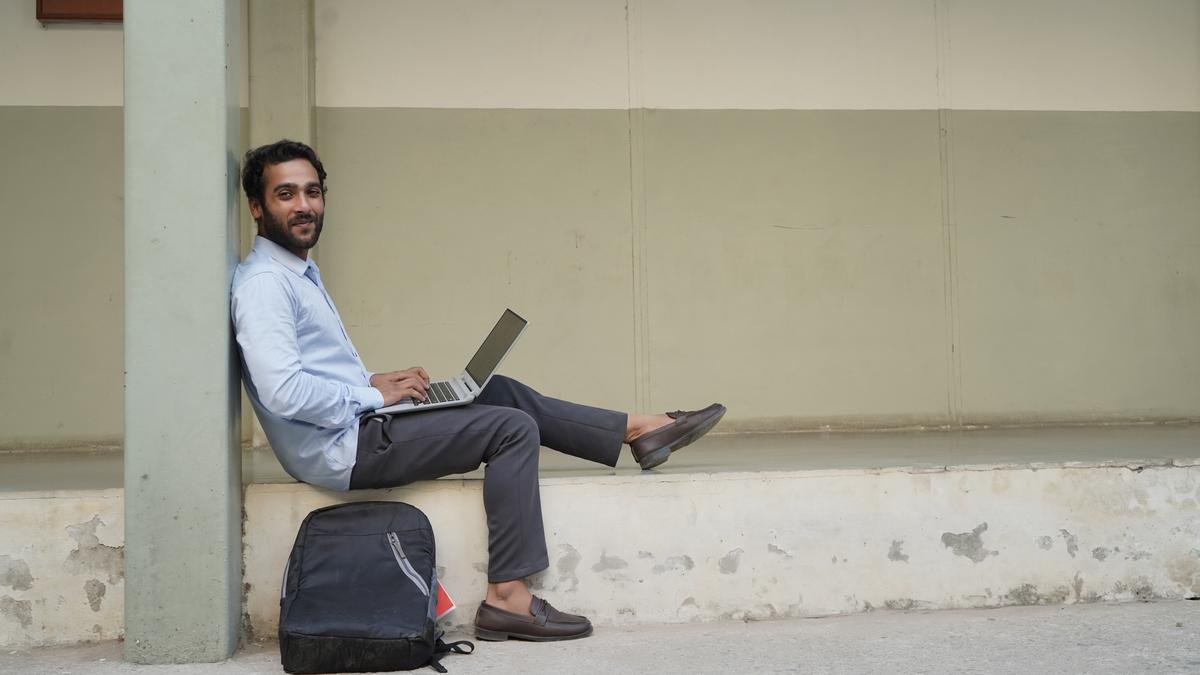
For students in India and abroad, the evolving landscape of AI offers diverse career opportunities in:
- Public Policy: Crafting the frameworks that govern technological deployment.
- Cybersecurity & Risk Assessment: Identifying vulnerabilities in complex models.
- Technical Standardization: Defining the metrics by which we judge a “safe” system.
As governments worldwide grapple with the ethics and mechanics of AI, the demand for professionals who can navigate both technical architecture and public policy will only grow.
Defining the Future of Trust
By including leaders like Raman, the 2026 TIME100 AI list emphasizes that the future of technology is not just about raw computing power—it is about trust. As artificial intelligence integrates into sensitive environments like healthcare, finance, and infrastructure, the ability to “stress-test” these models will be the ultimate differentiator between progress and catastrophe.
For those watching the industry, Raman’s journey offers a clear takeaway: the most important role in the AI age may not be the one building the model, but the one ensuring we can trust it.
Disclaimer: This article is based on publicly available information and statements from the individuals and organisations cited. TOI Education has not independently verified all claims, technical assessments, or policy positions mentioned in the article.