







An Environmental Nightmare: The Enduring Toll of the Tyne’s Billion-Pellet Nurdle Spill
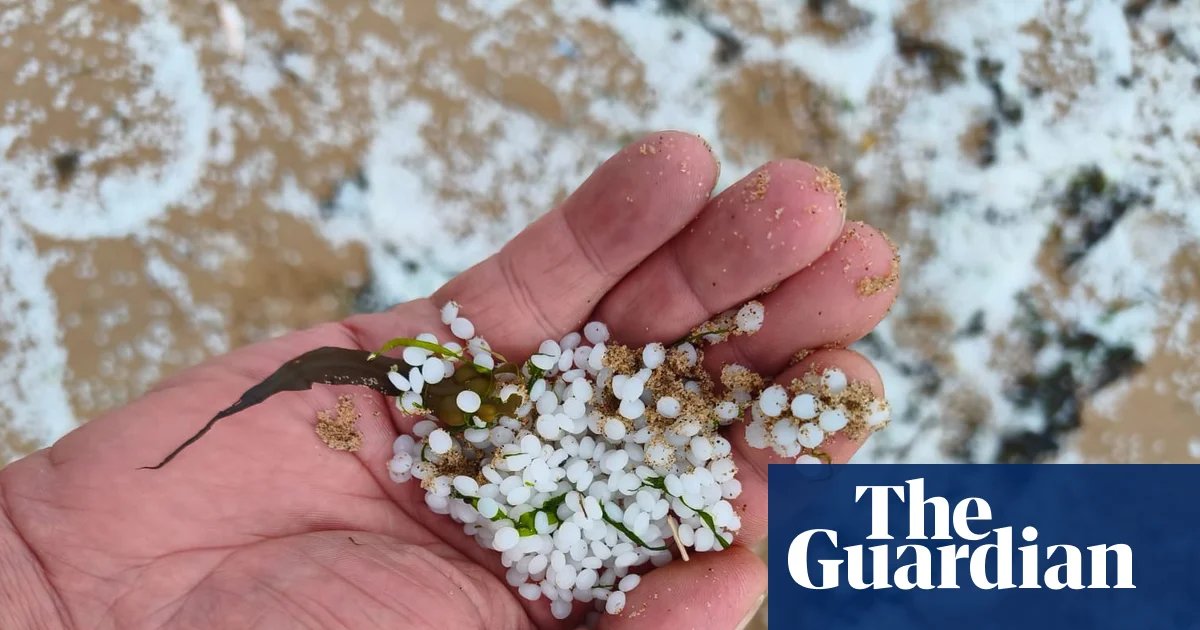
WHITLEY BAY, England – On a seemingly tranquil stretch of sand at Whitley Bay, a small group of volunteers is engaged in a painstaking, Sisyphean task. Dressed in high-visibility vests and heavy-duty rubber gloves, some forty individuals comb through the tide line, their eyes fixed on the grit beneath their feet. They are not looking for seashells or sea glass; they are hunting for “nurdles.”
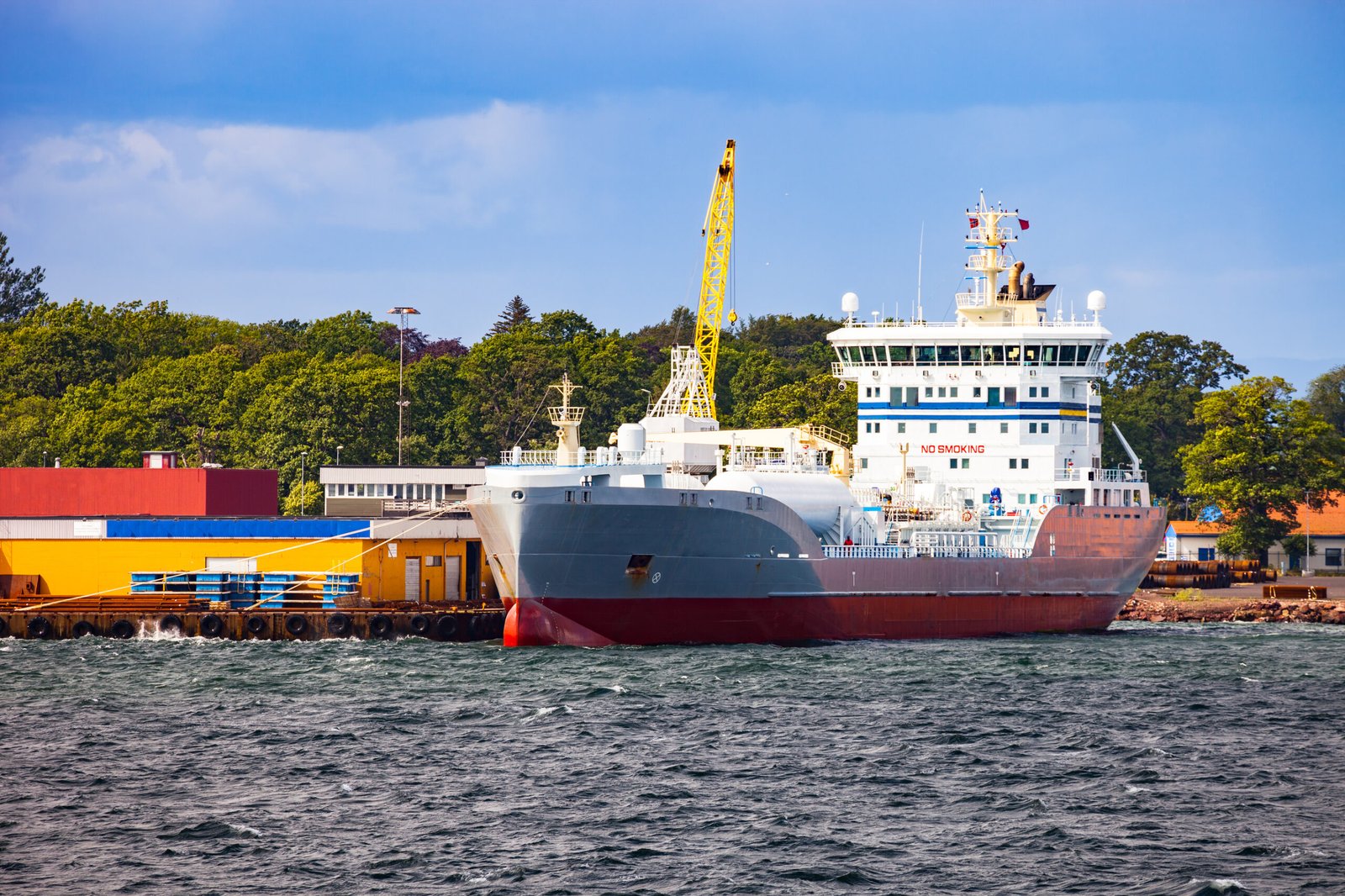
What sounds like a benign term—perhaps an object found in a children’s book—is actually a catastrophe in the making. Nurdles are tiny, lentil-sized plastic beads that serve as the raw material for nearly every plastic product manufactured worldwide. When a quayside gantry crane collided with the container ship BG Orange in the tidal Tyne at North Shields on July 19, the results were catastrophic: approximately 25 tonnes, or an estimated one billion, of these resilient beads were released into the water.
The Invisible Invaders
For many, the initial reports of the spill conjured images of manageable, foam-like debris that could be gathered in nets. The reality, however, is far more insidious.
“My son spots the first one,” says a local resident visiting the beach. “It’s about the size of a lentil, and half-buried in the dry sand.”
The nature of these pellets makes them uniquely difficult to contain. Because they are dense and mimic the appearance of sand grains, they have integrated into the coastal ecosystem with alarming speed. During a half-hour effort, a family managed to collect 70 pellets—a mere drop in a bucket compared to the sheer volume now dispersed across the North East coast. Experts warn that because the tides shift and redistribute the plastic, this clean-up operation has no foreseeable endpoint.
An Ecological Disaster
The Tyne Rivers Trust has officially labeled the incident an “environmental disaster,” and for good reason. While human volunteers struggle to find the plastic, marine wildlife is finding it with tragic efficiency.
The marine food chain, already heavily compromised by decades of plastic pollution, has been dealt a staggering blow. Seabirds and fish, unable to distinguish the hard, colorful beads from their natural prey, are consuming them in large quantities.
The consequences are often fatal. An RSPB policy officer noted bluntly, “A stomach filled with plastic can’t be filled with food.” Birds that ingest these pellets experience a false sense of satiety, leading to starvation despite appearing well-fed. As the plastic circulates, it bioaccumulates, threatening the health of the entire coastal ecosystem.
A Future Without Closure
As families continue to participate in the nurdle hunt along the coast, the scene serves as a sobering reminder of the fragility of the marine environment. The spill has sparked a wider conversation about the shipping of industrial materials and the inadequacy of current response measures when such “invisible” pollutants are unleashed.
For now, the volunteers continue their work, dropping handfuls of harvested plastic into black buckets. Above them, a fulmar crosses the bay—a silent observer to a crisis that will likely persist in the sediment of the Tyne for years to come.