







Viral Video Claiming to Show Nepal-Tibet Flood Disaster Debunked as Old Footage from India
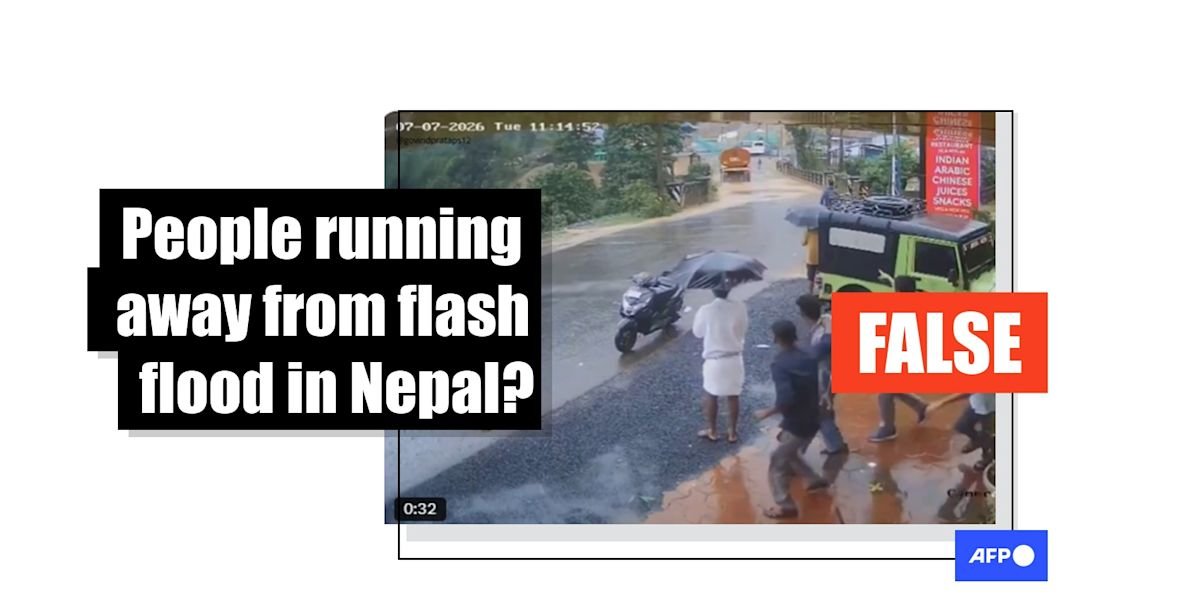
A harrowing piece of CCTV footage, which has circulated widely on social media platforms following the catastrophic flooding along the Nepal-Tibet border, has been identified as a misrepresentation of a separate, earlier disaster.
The video, which has garnered over three million views on X (formerly Twitter), depicts a terrifying wall of mud and debris obliterating a highway, striking a truck, and sweeping away individuals in its path. Social media users have been sharing the clip with captions claiming it captures a “moment of life and death in Nepal.”
However, investigation reveals that the footage is not from the recent border crisis. Instead, it captures a landslide that occurred in July 2026 at a construction site in the Wayanad district of southern Kerala, India.
Context of the Falsehood
The misattribution gained traction following devastating reports from the Nepal-Tibet border region, where intense floods have resulted in at least 586 deaths. According to the Red Cross, the disaster has impacted an estimated 93,000 people, with over 2,400 individuals still missing. The US Geological Survey attributed the primary catastrophe to a glacial collapse that triggered massive debris flows along the Bhote Koshi and Trishuli rivers.
As the real-world humanitarian crisis worsened, the unrelated video was repurposed to depict the ongoing disaster, causing widespread confusion.
Debunking the Evidence
Fact-checkers and media outlets confirmed that the footage is over a month old. A reverse image search of keyframes from the clip links the video to Instagram posts dated July 7, 2026. These original posts identified the location as a tunnel construction site in Wayanad, Kerala, where torrential monsoon rains triggered a deadly landslide that claimed at least eight lives.
The footage includes a timestamp in the top-left corner that clearly reads “07-07-2026,” contradicting the claims that it was filmed during the August floods in Nepal. Furthermore, visual analysis—including comparisons to images hosted on Google Maps—confirms the setting as a restaurant near the Wayanad site. The business owner personally verified to investigators that their security cameras recorded the event on that date in July.
The Dangers of Misinformation
This incident is part of a growing trend of “digital recycling,” where authentic footage of past disasters is weaponized or used to gain engagement during unfolding global events. As the international community grapples with the fallout of the Nepal-Tibet floods, experts warn that sharing unverified content—even if the underlying imagery is real—can hamper accurate reporting and distract from the urgent needs of the affected populations.
This is not the first time AFP has had to intervene to address misinformation regarding the Nepal-Tibet border disaster. As the death toll continues to rise, authorities are urging the public to verify the origin of graphic videos before sharing them across social media networks.